
Plants
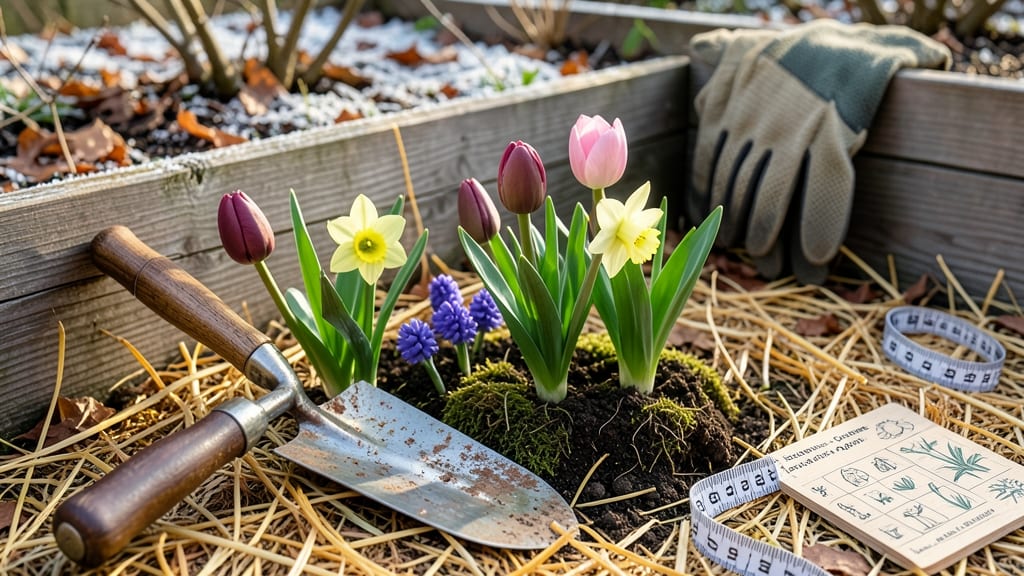
Planting spring bulbs (e.g., tulips, daffodils, hyacinths) in New York isn’t just about throwing them in the ground—it’s about timing it perfectly to beat the frost and ensure those 🌷 blooms explode in color next spring.
Get the window wrong, and you’ll either wait too long for flowers or risk them rotting before they even sprout.
Here’s the secret: New York’s USDA Zone 6a climate means you’ve got just a 6-week window in fall (September–November) or a tight 4-week sprint in early spring (March–April) to plant.
Miss it, and your bulbs might not survive the winter—or worse, pop up too early and get fried by late frosts.
I’ve dug through years of local gardening data to break down the exact frost-free timeline for your region, whether you’re in Upstate or NYC.
You’ll learn which bulbs thrive best in fall (hint: tulips and daffodils are non-negotiable for autumn planting) and how to prep your soil like a pro to give those roots the best shot at success.
Ready to turn your yard into a springtime showstopper? Let’s dive into the frost-free planting schedule that’ll have your garden bursting with color—without the guesswork.
New York planting zones & ideal frost-free dates for spring bulbs
New York’s diverse climate means planting bulbs isn’t one-size-fits-all. The state spans USDA Zones 5-7, with frost dates varying by region—Upstate freezes earlier than NYC. To ensure vibrant spring blooms, align your planting with these frost-free windows and soil temperature thresholds.
Most spring-flowering bulbs (like tulips and daffodils) need 6-8 weeks of cold to bloom. Plant them in fall when soil temps drop to 60°F or below. In Zone 5 (Upstate), aim for September-October; in Zone 7 (Long Island/NYC), wait until October-November.
For early bloomers like crocus and snowdrops, plant in late summer (August) to beat frost. Late bloomers (e.g., tulips) thrive when planted in early fall (September). Always check your last frost date—May 15 for most of NY, but May 1 in Zone 5.
Spring planting is trickier in NY. Only tender bulbs (like dahlias or cannas) go in after last frost (March–April). For hardy bulbs, spring planting weakens blooms—fall is always better. If you miss fall, wait until early spring (March) but expect smaller flowers.
NY’s heavy clay soil can delay planting. Amend with compost or sand to improve drainage. Well-draining soil prevents rot, especially for tulips, which hate soggy roots. Test your soil’s pH—most bulbs prefer 6.0–7.0. Adjust with lime (to raise pH) or sulfur (to lower it).
Don’t overlook planting depth. Most bulbs need 2–3x their height in soil. A 6-inch tulip bulb should sit 12–18 inches deep. Use a bulb planter for precision, especially in rocky soil. In containers, plant bulbs close together—3–4 inches apart—to maximize space.
NY’s variable winters can confuse timing. If you plant too early (e.g., August in Zone 5), bulbs may sprout and freeze. Too late (e.g., December), and they won’t root before frost.
Aim for 4–6 weeks before ground freezes. Check the National Weather Service for your area’s first frost date.
For container gardening, plant bulbs in fall but move pots to a garage or shed if temps drop below 20°F. Use mulch (straw or leaves) to insulate in-ground bulbs. In Zone 5, add extra mulch—4–6 inches—to protect bulbs from freeze-thaw cycles.
Remember: NY’s microclimates matter. A south-facing slope warms faster than a north-facing yard. Plant early bloomers (like crocus) in cooler microclimates and late bloomers (like tulips) in warmer spots. Observe your garden’s patterns for 3+ years to refine your timing.
With these zone-specific guidelines, your spring bulbs will emerge strong and vibrant, turning your NY garden into a seasonal spectacle. Happy planting! 🌷
Fall vs spring planting: which bulbs thrive in New York’s climate?
New York’s USDA Zone 6a climate creates a unique challenge: fall planting gives bulbs time to root before winter, while spring planting offers a second chance for late bloomers. But not all bulbs play by the same rules.
Tulips and daffodils, for example, must be planted in fall to survive our winters, while summer bulbs like dahlias can wait until spring.
The key difference lies in root development. Fall-planted bulbs establish roots before the ground freezes, giving them a head start. Spring-planted bulbs, however, risk stunted growth if planted too late. For New York gardeners, this means September–November is ideal for most spring bulbs, while March–April works for tender varieties.
Here’s the breakdown: Tulips, daffodils, and crocuses are fall babies—they need that 6-week root window before frost. But gladiolas and lilies? They’re more flexible and can handle spring planting, though they’ll bloom later in the season.
Fall Planting (Best for Most Spring Bulbs)
- Bulbs establish roots before winter
- Guarantees vibrant spring blooms
- Ideal for tulips, daffodils, hyacinths
- Miss the window, and bulbs may rot
- Requires careful frost monitoring
- Not suitable for tender summer bulbs
Spring Planting (For Tender Varieties)
- Works for dahlias, gladiolas, lilies
- Second chance for missed fall planting
- Less risk of frost damage
- Bulbs may bloom later or weakly
- Requires consistent moisture
- Not ideal for hardy spring bulbs
For New York’s heavy clay soils, fall planting is often the safer bet. The ground stays workable longer in autumn, and bulbs like alliums and fritillaries actually prefer it.
But if you’re growing summer bulbs, spring planting is your only option—just be ready to protect them from late frosts with row covers or mulch.
Pro tip: If you’re in Upstate New York, aim for late September planting—the colder climate means the ground freezes sooner. In NYC, you’ve got a little more wiggle room until early November.
Always check your local last frost date (usually mid-October for most of NY) to time it right.
Remember, the goal is to give your bulbs 6 weeks of root growth before the ground freezes. Whether you plant in fall or spring, soil temperature (not air temperature) is your best guide—aim for 60°F (15°C) or cooler.
With this timing, your garden will burst into color year after year, no matter which season you choose.