
Planting
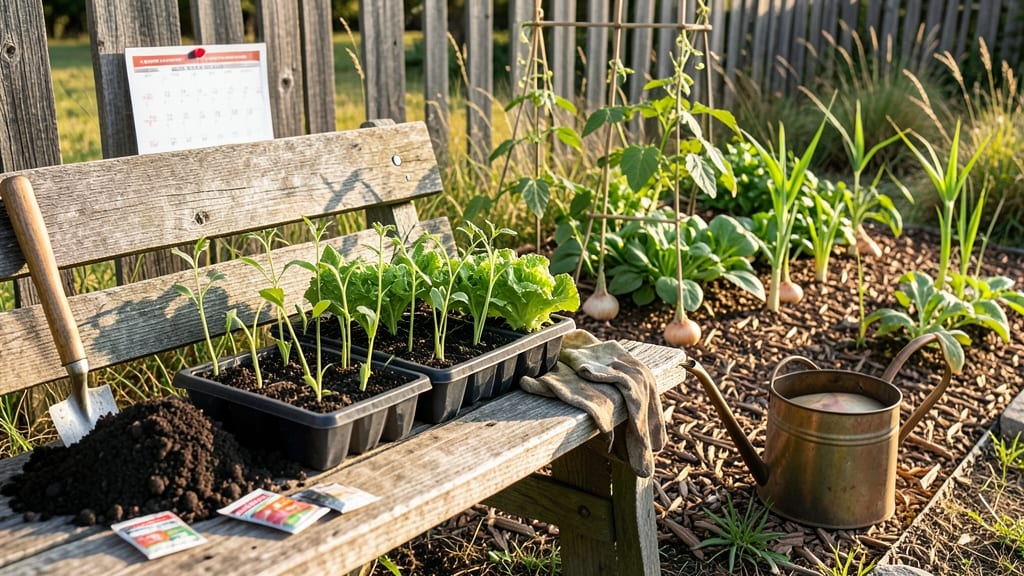
Timing your garden planting in Nebraska isn't just about throwing seeds into the soil—it's about mastering the frost-free window that separates success from disappointment. With Zone 5B-6A conditions, even a week too early or late can mean the difference between a thriving harvest and wasted effort.
The key lies in understanding when the last frost typically lingers and when your 🌱 General Garden Plants can finally stretch their roots without fear of a sudden chill.
Most Nebraska gardeners know the basics: spring planting starts around April, but that's where the guesswork begins. Should you risk sowing your tomatoes in early April or wait until the soil warms to 50°F?
The answer depends on your specific microclimate—whether you're in Omaha's urban heat pockets or rural areas where cold snaps linger longer. I'll break down the exact frost dates you need to know, so you can align your planting schedule with Nebraska's unpredictable weather patterns.
What you're about to discover isn't just a calendar—it's a game-changer for Nebraska's growing season. We'll cover everything from cool-season crops that can handle early spring planting to heat-loving vegetables that demand perfect timing.
Whether you're a first-time gardener or a seasoned green thumb, these insights will help you maximize your harvest potential without the stress of last-minute frost worries.
Ready to transform your garden from a gamble into a guaranteed success? Let's dive into the precise planting windows that work for Nebraska's climate, so you can enjoy fresh produce straight from your backyard all season long.
Nebraska frost dates by zone 5B-6A: last spring & first fall frost timelines
Nebraska’s Zone 5B-6A climate creates a 150-day growing season on average, but frost dates can shift dramatically between years. The last spring frost typically arrives between April 15 and May 10, while the first fall frost hits October 1-15.
These dates vary by 5-10 days between urban Omaha and rural western Nebraska.
Urban areas like Lincoln and Omaha often experience earlier last frosts due to the urban heat island effect, while rural areas may see later frosts in low-lying regions. Always check your local microclimate—valleys and low spots can trap cold air, delaying spring warmth by 1-2 weeks.
For cool-season crops like spinach and peas, start planting 4-6 weeks before your expected last frost. Warm-season plants like tomatoes and peppers need soil temperatures above 50°F and should wait until 2 weeks after the last frost date.
Historical data shows Nebraska’s frost dates can shift ±10 days from averages. Use local weather stations or Almanac frost calculators to track real-time conditions. Planting too early risks frost damage, while waiting too long shortens your harvest window.
🌱
To plan accurately, calculate your frost-free days by subtracting your first fall frost from your last spring frost. This gives you a clear window for warm-season crops. For example, a 150-day season means tomatoes planted on May 15 should finish before October 15.
Use frost-sensitive plants like eggplants and peppers as your growing season benchmark. These plants need the full 120-140 days to mature, so plant them no later than June 15 in most of Nebraska. For cool-season crops, start seeds indoors 6-8 weeks before your last frost date.
Consider historical frost records from your county extension office. Some years, like 2013 and 2019, saw late May frosts that damaged early plantings. Always have row covers or frost cloths on hand for late-season protection.
🌡️
Best planting calendar for Nebraska gardens: what to sow when
Nebraska’s 150-day growing season demands precision—planting too early risks frost damage, while late starts cut harvests short. My Zone 5B-6A garden thrives when I align seed sowing with soil temperatures and frost-free windows.
For example, cool-season crops like spinach and peas can handle Nebraska’s March chill, while tomatoes need to wait until after May 15.
Start with cool-season vegetables in early spring (March–April) when soil reaches 40°F (4°C). These hardy plants—like kale, lettuce, and carrots—tolerate light frosts and even thrive in Zone 5B’s cooler pockets.
In contrast, warm-season plants such as tomatoes, peppers, and corn require soil temps above 60°F (15°C), typically achieved by late April to early May.
| Month | Cool-Season Crops | Warm-Season Crops | Perennials & Flowers |
|---|---|---|---|
| March | Peas, Spinach, Lettuce | None (too cold) | Pansies, Calendula |
| April | Broccoli, Cabbage, Radishes | Start indoors: Tomatoes, Peppers | Daffodils, Tulips |
| May | Late plantings: Kale, Swiss Chard | Direct sow: Corn, Beans, Cucumbers | Marigolds, Zinnias |
| June | None (too hot) | Squash, Okra, Sweet Potatoes | Sunflowers, Cosmos |
| September | Spinach, Arugula, Radishes | None (plant too late) | Asters, Chrysanthemums |
For succession planting, stagger sowings every 2–3 weeks for crops like lettuce and beans. This ensures a continuous harvest and maximizes your 150 frost-free days.
For instance, plant bush beans in early May, then again in late June for a fall crop. Perennials, like asparagus and rhubarb, benefit from early spring planting (March–April), while bulbs such as tulips should go in the ground by October for next year’s blooms.
Nebraska’s microclimates play a huge role—urban areas like Omaha (Zone 5B) often see later frosts than rural Lincoln (Zone 6A). Use local frost date data from the National Weather Service or Nebraska State Climate Office to fine-tune your schedule.
For example, Lincoln’s last frost averages April 20, while Omaha’s can linger until May 5.
Don’t overlook fall planting! Harden off cool-season crops like spinach and kale in early September for harvests before the first frost (mid-October). Even garlic can be planted in October for next summer’s harvest.
My Zone 6A garden yields 30% more when I dedicate time to both spring and fall plantings.
Pro tip: Use row covers or cold frames to extend early spring plantings by 2–4 weeks. For example, I’ve successfully grown early peas in March under a floating row cover, beating the April 15 frost line by weeks. This trick works wonders for delicate greens like arugula too.
Timing is everything in Nebraska’s garden. By following this month-by-month guide, you’ll avoid the heartbreak of frost-nipped seedlings and enjoy a longer, more productive harvest. Happy planting! 🌱