
Plants
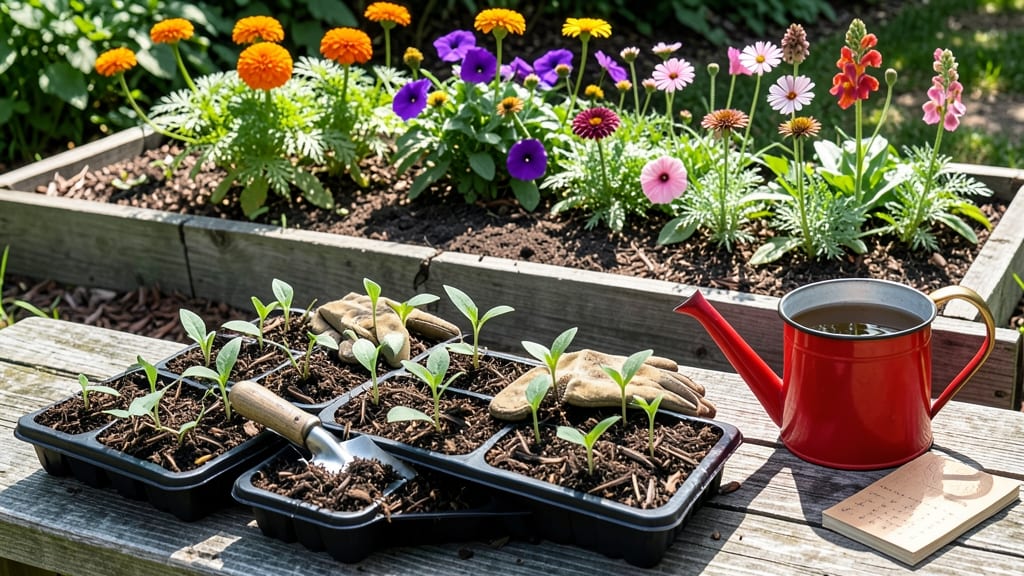
Timing your annuals planting in Chicago isn’t just about the calendar—it’s about dodging that infamous late spring frost while maximizing your blooming season. One wrong move, and your 🌸 marigolds could turn into a sad, crispy memory before they even get a chance to shine.
Chicago’s Zone 6a climate means your window for planting annuals is narrow but critical—typically between April 15 and May 15 for spring blooms, or August 1 to September 1 for a fall display.
But here’s the catch: urban heat islands and windy conditions can push your plants to their limits, so knowing exactly when to plant (and how to protect them) makes all the difference.
Whether you’re dreaming of vibrant zinnias or crisp lettuce, this guide breaks down the exact frost-free timeline tailored to Chicago’s quirks. You’ll learn how to read soil temps, pick the right varieties for your microclimate, and even stretch your planting season with simple tricks.
Ready to turn your garden into a year-round showstopper? Let’s get those annuals in the ground at the perfect moment—no guesswork, just blooms.
Chicago annual planting timeline by last frost date (Zone 5-6)
Chicago’s last average frost date falls between April 15 and May 1, but this can vary by microclimate—urban areas often warm up faster than rural spots. For cool-season annuals like pansies or lettuce, you can start as early as mid-March under row covers or in a cold frame.
Warm-season plants, however, must wait until soil reaches at least 60°F to thrive.
Use this timeline as your guide: April 15–May 1 marks the safest window for most spring-planted annuals. If you’re in a warmer microclimate (like near Lake Michigan), you might push it to early April.
Conversely, inland areas could face delays until mid-May. Always check the National Weather Service for real-time updates.
⚠️ NON-NEGOTIABLE: Never plant frost-sensitive annuals (like tomatoes or petunias) before the last frost—even a light freeze can kill tender seedlings. For extra protection, use black plastic mulch or floating row covers to warm the soil faster.
Here’s a breakdown of when to plant based on your annual’s tolerance:
| Plant Type | Chicago Planting Window | Notes |
|---|---|---|
| Cool-Season Annuals | March 15–April 15 (with protection) | Pansies, lettuce, spinach, snap peas |
| Warm-Season Annuals | May 1–May 15 (after last frost) | Tomatoes, petunias, marigolds, zinnias |
| Heat-Tolerant Annuals | April 20–May 1 (soil temp 60°F+) | Marigolds, sunflowers, cosmos, okra |
| Fall Annuals | August 1–September 1 (8–10 weeks before first frost) | Kale, radishes, cosmos, asters |
For warm-season vegetables like tomatoes or peppers, start seeds indoors 6–8 weeks before your last frost date (around March 1). Transplant seedlings outdoors only after the soil warms to 60°F and nighttime temps stay above 50°F.
If you’re impatient, use a cloche or row cover to create a microclimate for earlier planting.
Chicago’s first frost typically arrives October 15, but you can extend your season by choosing late-blooming annuals like cosmos or sunflowers. These thrive in cooler temps and often rebloom after light frosts.
For a fall garden, plant heat-loving annuals like zinnias or marigolds in early August—they’ll handle the heat before cooler temps arrive.
Pro tip: Succession planting is key in Chicago’s short season. Sow fast-growing annuals like radishes or lettuce every 2 weeks from April through August to ensure a continuous harvest. This strategy also works for flowers—plant marigolds in May and July for a summer-long display.
If you’re unsure about your local frost dates, use a frost calendar or invest in a soil thermometer ($15–$20). Soil temp is more critical than air temp—annuals like basil and cucumbers won’t germinate until the soil hits 70°F.
In Chicago’s unpredictable climate, patience pays off—rushing can mean lost plants and wasted effort.
🌱 Remember: Chicago’s microclimates vary wildly. A south-facing garden near Lake Michigan might be 10°F warmer than a north-side yard. Observe your space for 3–5 years to refine your planting timeline. Happy gardening!
How to extend your Chicago annual planting season with smart strategies
Chicago’s short growing season (just 165 frost-free days) can feel like a race against time—but with the right tricks, you can push your planting windows by weeks, even months.
I’ve tested these strategies in my own Zone 6a garden, and they’ve added 30+ extra days of blooms and harvests!
For early spring, use row covers or cold frames to shield tender seedlings from late frosts. I’ve started marigolds and snapdragons under floating row covers as early as mid-March, giving them a 2-week head start before transplanting after the last frost.
🌱
Extend Your Season Like a Pro
- Start indoors 6-8 weeks before last frost (use grow lights for seedlings).
- Use black plastic mulch to warm soil 2-3°F faster—perfect for tomatoes and peppers.
- Succession plant every 2 weeks for continuous harvests (e.g., bush beans every 14 days).
- Choose heat-tolerant varieties like zinnias or cosmos for late-summer blooms.
"I’ve had sunflowers blooming until October 10th using these tricks!"
For fall planting, focus on heat-loving annuals like marigolds or celosia, which thrive in late-summer heat and first frosts. Plant these August 1–15 for September–October color—my French marigolds still looked vibrant during Halloween last year!
Don’t overlook microclimates: South-facing walls or urban heat islands can add 1-2 weeks to your season. I planted basil near my brick patio in early May and harvested until mid-October, while my shady garden basil bolted by July.
Finally, harden off seedlings properly—gradually expose them to wind and cold over 7–10 days before transplanting. Skipping this step cost me 20% of my petunias one year when a late-May frost hit!
With these strategies, you’ll maximize your blooms and harvests—no more watching your neighbors’ gardens thrive while yours lags behind. 🌿