
Trees
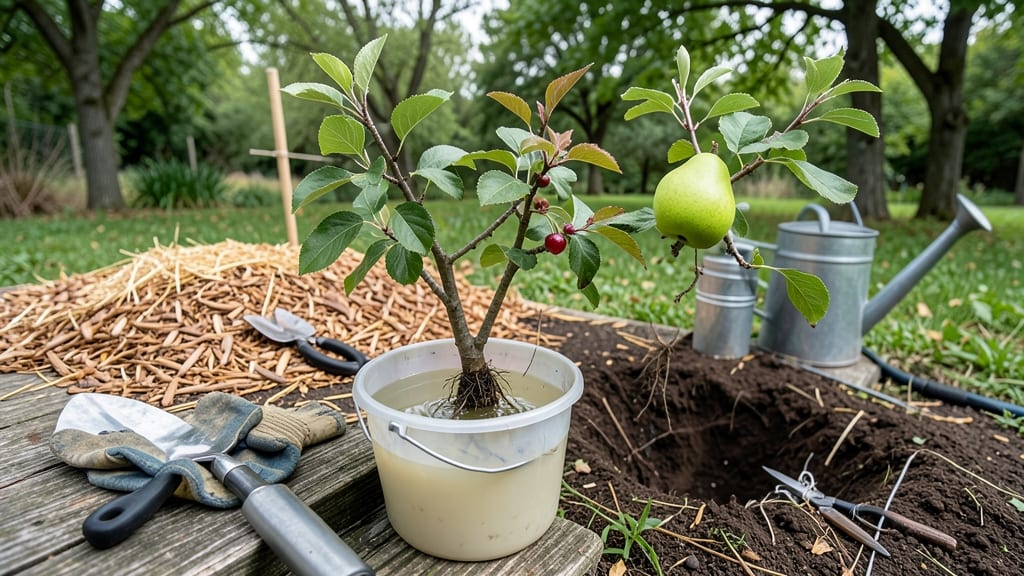
Planting your 🍎 fruit tree at the wrong time in Massachusetts can mean years of struggling with weak growth or even total failure—but getting the timing right isn’t just about checking the calendar.
The chill-hour needs of your variety, last frost dates, and soil temperature all play a role in determining the perfect window for success.
Whether you're planting bare-root saplings in early spring or container-grown trees in fall, understanding these factors is the key to helping your tree establish strong roots before winter sets in.
In zones 5b-6b, the ideal planting windows are March-April or September-October, but there’s more to it than just those months.
I’ll walk you through how to match your fruit tree variety to Massachusetts’ climate, including which types thrive in our 165 frost-free days and how to adjust for late spring frosts. You’ll also discover the best soil prep and post-planting care to set your tree up for a bountiful harvest.
Ready to plant with confidence? Let’s break down the exact steps to ensure your 🍎 fruit tree takes root—and stays healthy—for decades to come.
Massachusetts fruit tree planting timeline by chill-hour requirements
Massachusetts gardeners face a unique challenge: matching fruit tree varieties to chill-hour requirements while navigating unpredictable spring frosts. The state's USDA zones 5b-6b mean most fruit trees need 400-1,000 chill hours—but planting too early or late can spell disaster for your $50-$200 investment.
For example, peach trees require 500-700 chill hours, while apples thrive with 600-1,000 hours. Planting a peach tree in late April risks frost damage to blossoms, but waiting until June means missed root establishment time. Let's break down the perfect planting windows for your favorite varieties.
| Variety | Chill Hours Needed | Best Planting Window | Notes |
|---|---|---|---|
| Apple | 600-1,000 | Early April-Mid May or Sept 15-Oct 15 | Dwarf varieties adapt better to short seasons |
| Peach | 500-700 | Late April-Early May or Sept 1-Oct 1 | Avoid late spring planting near frost-prone areas |
| Cherry | 600-800 | Early April-Mid April or Sept 15-Oct 1 | Sweet cherries need more chill hours than tart |
| Pear | 400-600 | Late March-April or Sept 1-Oct 1 | Early varieties like 'Seckel' work well |
| Plum | 300-500 | Late March-April or Sept 1-Oct 1 | Japanese plums need fewer chill hours |
Notice how early spring planting (March-April) aligns with soil warming but precedes last frost dates in most of Massachusetts. For bare-root trees, this window gives roots 6-8 weeks to establish before summer heat arrives. Fall planting (September-October) offers similar benefits but avoids late-spring frost risks to blossoms.
Pro tip: Use Massachusetts' average last frost dates as your guide—mid-April in Boston vs. late April inland. Coastal areas like Cape Cod have later frost dates, so adjust your timeline accordingly. Always verify your specific microclimate using local weather records.
For container-grown trees, you have more flexibility—plant anytime soil isn't frozen (March-November), but prioritize early spring or fall for best results. These trees establish roots faster because their root systems aren't disturbed during transplanting.
One critical factor often overlooked is soil temperature. Fruit tree roots need soil at 40°F or warmer to grow actively. In Massachusetts, this typically occurs by mid-April in southern regions but may wait until late April or May in northern areas like North Adams.
Use a soil thermometer ($15 at garden centers) to confirm readiness.
Remember: Dwarf varieties (6-12 ft mature height) establish faster than standard trees, making them ideal for small spaces or urban gardens. They also bear fruit 1-2 years sooner, giving you quicker returns on your investment.
For example, a 'Liberty' apple tree (dwarf) might fruit in 3 years vs. 5-7 years for standard varieties.
If you're planting in fall (September-October), aim to complete planting 6 weeks before first frost—typically by mid-October. This gives roots time to establish before winter dormancy begins. Water deeply after planting and apply 2-3 inches of mulch to protect roots from freeze-thaw cycles.
For stone fruits (peaches, plums, cherries), timing is especially critical because they bloom early spring when frost risk is highest. Always choose varieties labeled "late blooming" for your specific region. For example, 'Redhaven' peaches bloom later than 'Elberta', making them safer choices for northern Massachusetts.
Critical factors that determine the best planting time in MA
Massachusetts’ variable climate means that planting your 🍎 fruit tree at the wrong time can spell disaster—even if you follow general guidelines. The soil temperature must be above 40°F for roots to establish, while air temperatures below 32°F can kill young shoots.
Coastal areas like Cape Cod may have warmer microclimates than inland zones, delaying frost risks by 2-3 weeks.
Another critical factor is chill-hour compatibility. If you plant a peach tree needing 800 chill hours in a 500-chill-hour pocket of western MA, it’ll never bear fruit. Always verify your variety’s chill-hour needs against your local average (typically 1,200-1,500 hours in most of the state).
🌱
| Factor | Massachusetts Consideration | Actionable Tip |
|---|---|---|
| Soil Temperature | Must stay above 40°F for root growth | Use a soil thermometer; wait until mid-April for spring planting |
| Frost Risk | Last frost: mid-April (varies yearly) | Plant bare-root trees in March to avoid late frosts; use frost cloth if needed |
| Chill Hours | Most MA zones: 1,200-1,500 hours | Choose apples/pears (600-1,000 hrs) for Zone 5b; cherries (900-1,200 hrs) for Zone 6b |
| Microclimate | Coastal areas warmer; inland colder | Adjust planting by 1-2 weeks later in inland areas (e.g., Worcester vs. Provincetown) |
| Root Establishment | Needs 6-8 weeks before winter dormancy | Fall planting (September-October) gives roots time to harden before first frost |
Timing also depends on whether you’re planting bare-root or container-grown trees. Bare-root varieties are best planted in early spring (March-April) when soil is workable but before buds swell, while container-grown trees offer more flexibility—you can plant them year-round as long as the ground isn’t frozen or waterlogged.
Don’t overlook local frost alerts. Sign up for NOAA weather updates or check the Massachusetts Horticultural Society’s frost calendar to adjust your planting window. A single late frost can kill tender new growth, setting your tree back by months.
For container-grown trees, you can push the envelope slightly—planting in May or even June is safer because the roots are already established. However, avoid planting in July-August when heat stress and drought can shock the tree.
If you must plant in summer, choose overcast days and water deeply every 2-3 days for the first month.
🌿