
Trees
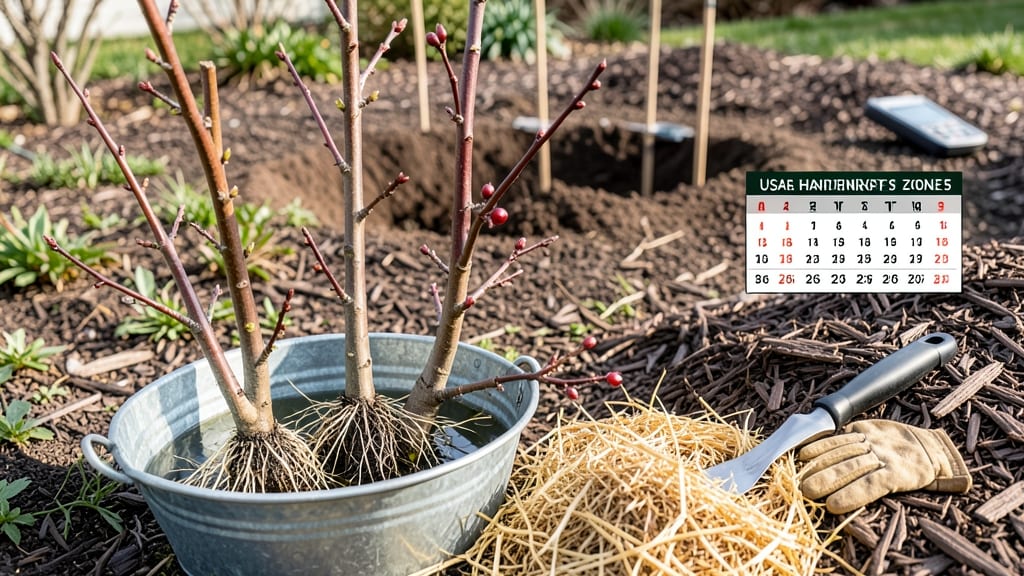
Timing your fruit tree 🍎 planting in Zone 5 could make or break your harvests for years to come—and getting it wrong means struggling with weak roots or frost damage.
The best planting window in 5a-5b stretches from early spring through summer, but those exact dates matter more than you might think.
Most gardeners in Zone 5 wait until after the last frost date (around April 15), but there's actually a 2-month window where your trees have the perfect chance to establish strong roots before winter.
Whether you're planting bare-root saplings or container-grown varieties, understanding these seasonal cues is the key to avoiding common pitfalls.
I'll walk you through exactly when to plant different fruit tree types in Zone 5, including how soil temperature and regional microclimates affect your timing. You'll learn why early spring planting gives your trees a head start, and how late summer options can still work with the right preparation.
By the end, you'll know not just when to plant, but how to prepare your site for maximum root growth—so your fruit trees thrive from their first season onward. Let's get started with the best months for planting in your specific zone.

Best planting months for fruit trees in Zone 5: a seasonal breakdown
In Zone 5, where winters are cold and summers can be short, timing your fruit tree planting is everything. The last frost date (typically around April 15) marks the boundary between risky and successful planting.
Planting too early exposes young roots to frost damage, while waiting too long delays root establishment before winter dormancy. Let's break down the best windows for planting bare-root and container-grown fruit trees in this climate zone.
For most deciduous fruit trees like apples, peaches, and cherries, the ideal planting window is early spring (March to early April) when soil temperatures reach 40-50°F. This timing gives roots 60-90 days to establish before winter dormancy.
Evergreen fruit trees like figs or olives (less common in Zone 5) should be planted in late spring to avoid winter stress.
Here's how to adapt your timing based on your specific fruit tree type and planting method:
| Planting Window | Soil Temperature | Tree Types | Notes |
|---|---|---|---|
| Late Winter (Feb) | 35-45°F | Bare-root trees only | Risky but possible if soil isn't frozen; best for dwarf varieties. |
| Early Spring (Mar-Apr) | 40-50°F | Bare-root & container-grown | Optimal for apples, pears, plums—avoids frost while allowing root growth. |
| Late Spring (May) | 55-65°F | Container-grown only | Good for stone fruits (peaches, cherries) in warmer Zone 5b areas. |
| Early Summer (June) | 60°F+ | Container-grown only | Last chance for tropical fruit trees (figs, persimmons) in Zone 5b. |
Zone 5 spans a wide range of climates, so your exact planting window depends on your specific location.
The northern border of Zone 5 (like Minnesota or Upstate New York) typically has a later last frost (May 1), while the southern border (like Kansas or Northern Indiana) may see frost as early as April 1.
Check your local USDA Plant Hardiness Zone map and consult your cooperative extension service for precise frost dates in your area.
If you're planting bare-root trees, they should be in the ground before buds swell in spring. This usually means planting in March for most of Zone 5.
For container-grown trees, you have more flexibility and can plant through May, as long as you keep them well-watered during establishment. The key is ensuring roots have 4-6 weeks of warm soil before winter dormancy begins.
One common mistake in Zone 5 is planting too late in spring. While you might think summer heat is ideal, planting after June 1 gives young trees insufficient time to establish roots before winter.
This often leads to shallow root systems and winter dieback. Always prioritize root growth over immediate above-ground growth when choosing your planting window.
For dwarf varieties, which are popular in home gardens, early spring planting is even more critical. Their smaller root systems need all the time they can get to establish before winter.
Consider planting 2-3 weeks earlier than you would for standard-sized trees to give them the best chance of survival.
Remember that microclimates within Zone 5 can significantly affect planting timing. A south-facing slope warms up faster in spring, while a low-lying area may stay colder longer. Observe your garden's specific conditions over a few years to fine-tune your planting schedule for optimal success.
Finally, always consider your specific fruit tree variety. Apple trees and pears thrive when planted in early spring, while peaches and cherries (which are more sensitive to late frosts) may benefit from a slightly later planting in Zone 5b areas.
When in doubt, choose cold-hardy varieties bred specifically for Zone 5 conditions.
Best planting months for fruit trees in Zone 5: a seasonal breakdown
Zone 5 gardeners have a 60-day window to plant fruit trees for optimal root growth, but timing varies by tree type and regional microclimates. The ideal window spans from early spring through early summer, with March and April being the safest months for most varieties.
This timing aligns with soil warming above 40°F (4°C), which triggers root activity.
Evergreen fruit trees like figs and citrus (if grown in containers) can tolerate late winter planting, but deciduous trees—apples, peaches, and cherries—need warmer soil to avoid shock.
The last frost date (around April 15) is your anchor, but soil temperature matters more than air temperature for root establishment.
| Month | Soil Temp | Best For | Risk Level |
|---|---|---|---|
| March | 35-45°F (2-7°C) | Bare-root trees, early bloomers | Moderate (frost risk) |
| April | 45-55°F (7-13°C) | Container-grown, standard varieties | Low (post-frost) |
| May | 55-65°F (13-18°C) | Late-season varieties, dwarf trees | Very Low |
| June | 60-70°F (16-21°C) | Emergency planting (container only) | High (stress risk) |
🌱 Best Months: March-April | Riskiest: June
Northern Zone 5 (5a) areas like Minneapolis or Buffalo should aim for late April planting, while southern Zone 5 (5b) regions like Chicago or Pittsburgh can start as early as mid-March.
The key is soil temperature, not just calendar dates—use a soil thermometer to confirm it’s above 40°F (4°C) before planting.
For bare-root trees, early spring planting (March-April) gives roots 60-90 days to establish before winter, while container-grown trees can handle late spring (May) planting with proper watering. Avoid planting in June or later unless using containers, as roots struggle to establish before winter dormancy.
Pro tip: If you miss the spring window, late summer planting (August) can work for container-grown trees, but they’ll need extra care—like deep watering and mulching—to compensate for the shorter growing season. Just remember: root growth stops below 40°F (4°C), so timing matters more than you might think.
By aligning your planting with these seasonal cues, you’ll give your fruit trees the best chance to thrive in Zone 5’s challenging climate—setting the stage for years of bountiful harvests. 🍎