
Trees
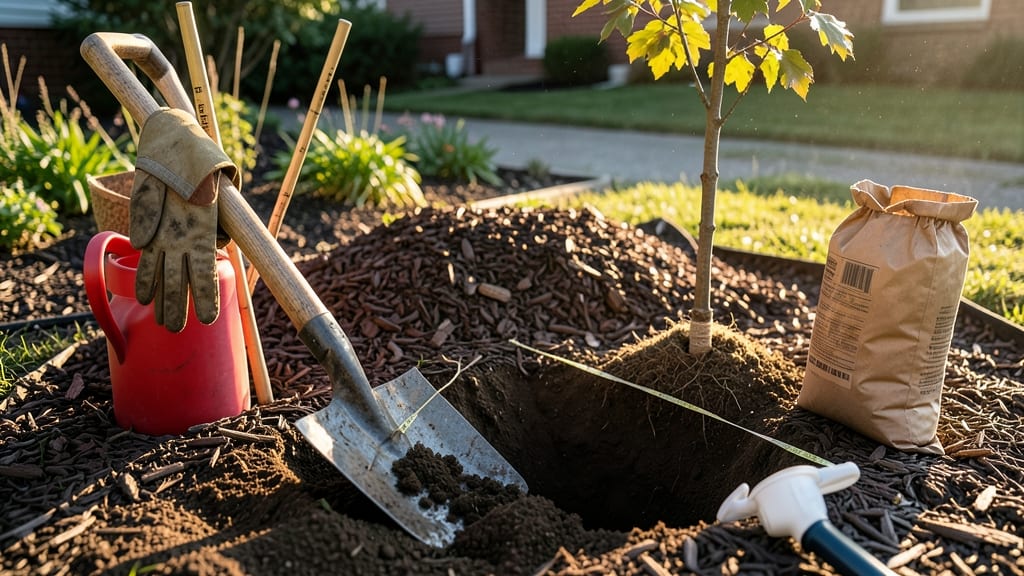
Timing your tree planting in Illinois could mean the difference between a thriving 🌳 and a struggling sapling—especially in Zone 5b’s fickle climate. Whether you’re planting a towering oak or a delicate maple, getting the soil temperature right is the secret to survival.
I’ll break down the exact triggers that determine the best windows for planting, so you can avoid costly mistakes and give your tree the strongest start possible.
Most Illinois gardeners know spring and fall are the prime seasons, but did you know soil temperature matters more than the calendar? Planting too early or too late can stunt growth or leave roots vulnerable to frost.
I’ll show you how to check soil conditions and pick the perfect moment—whether you’re working in Chicago’s urban heat islands or rural farmland where winters bite harder.
From bare-root trees to container-grown specimens, I’ll cover what you need to know about moisture, mulch, and aftercare to keep your new tree happy through its first critical year. Let’s dive into the science-backed strategies that make all the difference in Illinois’ unpredictable growing season.
Ready to plant with confidence? You’ll walk away knowing not just when to plant, but why—so your tree grows strong, resilient, and ready to thrive for decades. Let’s get started.
Ideal planting windows in Illinois: soil temperature rules for Zone 5b trees
Illinois’ Zone 5b climate creates a delicate balance for tree planting—too early and roots freeze, too late and summer drought stresses young trees. The golden window hinges on soil temperatures between 40°F–60°F, which signals ideal conditions for root establishment.
This range typically aligns with early spring (March–April) or fall (October–November), but timing varies by tree type and microclimate.
For deciduous trees like oak or maple, aim to plant 4–6 weeks before the average last frost (usually mid-April in northern Illinois). Evergreens, such as pine or spruce, prefer fall planting to avoid transplant shock during summer heat.
Southern Illinois’ slightly warmer microclimates may extend these windows by 1–2 weeks, but always verify local frost dates.
Soil temperature is your best indicator—use a soil thermometer to confirm readiness. In northern Illinois, soil warms slowly, so late March is safer. In central/southern regions, early April may work. Fall planting should wrap up by mid-October to allow roots to establish before winter dormancy.
| Season | Soil Temp | Best For | Illinois Window |
|---|---|---|---|
| Early Spring | 40°F–50°F | Deciduous trees | March 15–April 15 |
| Late Spring | 50°F–60°F | Evergreens, fruit trees | April 15–May 15 |
| Fall | 50°F–60°F | All trees (except tropical) | October 1–November 15 |
Bare-root trees thrive when planted in early spring because their roots are dormant but ready to absorb moisture as soil thaws. Container-grown trees, however, offer more flexibility—you can plant them year-round except in winter.
The key is ensuring the root ball isn’t frozen or waterlogged. For urban planting, prioritize fall to avoid summer heat stress on shallow roots.
Illinois’ microclimates add complexity—northern areas like Chicago and Dixon may see frost until May 10, while southern regions like Cairo or Marion often warm earlier. Adjust your timeline by 1–2 weeks based on your county’s average frost dates, available via the Midwest Regional Climate Center.
After planting, mulch heavily (3–4 inches) to regulate soil temperature and retain moisture. For spring plantings, water deeply every 7–10 days until roots establish. Fall-planted trees need consistent moisture until the ground freezes. Avoid fertilizing newly planted trees—they prioritize root growth over foliage, and excess nutrients can burn tender roots.
Local nurseries often provide region-specific advice, but remember: soil temperature trumps calendar dates. If your soil stays below 40°F past April 15, delay planting until conditions improve. Patience here prevents root rot or transplant shock, ensuring your tree thrives for decades.
For fast-growing species like willow or silver maple, early spring planting maximizes their first-year growth. Slower growers, such as oak or hickory, benefit from fall planting, which gives roots time to anchor before summer heat arrives.
Always match your tree’s native hardiness to Illinois’ Zone 5b conditions—non-native species may struggle with our winters.
Pro tip: If you miss the ideal window, container-grown trees can be planted in late spring (May–June), but supplement with extra watering and shade cloth during heatwaves. Just avoid planting in July–August, when Illinois’ summer drought and heat stress young roots.
By aligning your planting with soil temperature triggers and Illinois’ microclimatic variations, you’ll give your trees the best possible start. Whether you’re planting a shade tree, fruit orchard, or windbreak, timing is everything—especially in Zone 5b’s unpredictable climate. 🌳
Ideal planting windows in Illinois: soil temperature rules for Zone 5b trees
In Illinois’ Zone 5b, timing your tree planting isn’t just about months—it’s about soil temperature. The sweet spot for root establishment is between 40°F and 60°F. This window ensures roots grow before extreme heat or cold sets in, giving your tree the best chance to thrive.
For deciduous trees like oak or maple, aim for early spring (March-April) when soil warms to 50°F. Evergreens, such as pine or spruce, prefer fall planting (October-November) when soil cools to 55°F but before frost hits. Both strategies let roots settle before dormancy.
🌱 Illinois Tree Planting Timeline
| Season | Soil Temp | Best For | Action |
|---|---|---|---|
| Early Spring | 40°F–50°F | Deciduous Trees | Plant after last frost (mid-April) |
| Fall | 50°F–60°F | Evergreens | Plant 6–8 weeks before frost (late Oct) |
| Avoid | Below 40°F | All Trees | Risk of root damage from freezing |
Northern Illinois (e.g., Chicago area) has earlier frost dates than southern Illinois (e.g., St. Louis). Adjust planting by 2–3 weeks later in the north to avoid late frosts. For example, plant oaks in late April in Chicago but early April in Springfield.
Container-grown trees offer flexibility—they can be planted year-round (except winter), but spring or fall still gives them the best start. Bare-root trees, however, must go in the ground before buds break in spring or before ground freezes in fall.
Pro tip: Use a soil thermometer to check temperatures before planting. If soil is below 40°F, wait—roots won’t establish properly. Mulch heavily (3–4 inches) after planting to insulate roots and retain moisture.
Remember, tree health starts underground. The right timing ensures roots spread before stress hits, setting your tree up for decades of growth. 🌳