
Trees
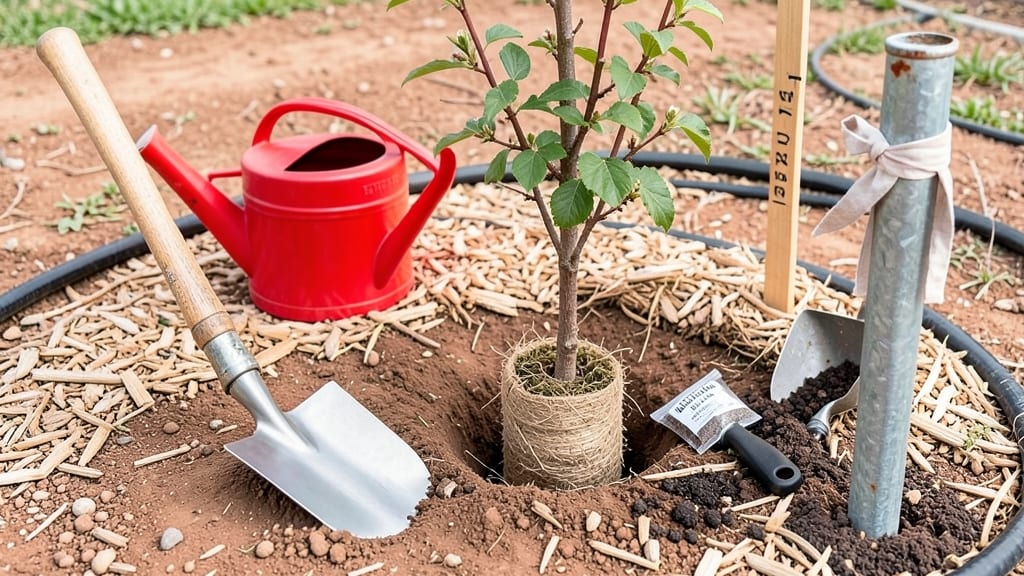
Timing your fruit trees 🍎 planting in Arizona isn’t just about the calendar—it’s about beating the desert’s heat and avoiding transplant shock. Plant too early, and your young roots may struggle with winter chill; too late, and summer’s intensity can stall growth before it starts.
But here’s the good news: Arizona’s 9b climate gives you a 5-month window to plant for maximum success. Whether you’re dreaming of juicy peaches or sweet citrus, the key is working with—not against—the state’s unique microclimates.
I’ll break down the fastest growing months for each variety, from citrus that thrives year-round to stone fruits that need precise timing. Plus, I’ll share pro tips to help your trees establish roots quickly, so you’re harvesting sooner than you think.
Ready to turn your backyard into a fruit orchard? Let’s dive into the exact schedule that’ll give your trees the best shot at thriving in Arizona’s challenging—but rewarding—growing conditions.
Best planting months for Arizona fruit trees by climate zone
Arizona’s diverse climate zones—from the Low Desert of Phoenix to the High Desert of Flagstaff—create wildly different planting windows for fruit trees. In Low Desert areas (USDA Zone 10a), citrus like Satsuma mandarins thrive year-round, but stone fruits need cool winter dormancy.
Meanwhile, High Desert zones (USDA Zone 7a) face earlier frosts, requiring earlier planting to establish roots before winter.
Timing isn’t just about months—it’s about soil temperatures, rainfall patterns, and heat tolerance. For example, bare-root trees planted in November (when temps drop below 80°F) establish roots before summer’s brutal heat.
But container-grown trees can handle April planting if acclimated slowly. Let’s break it down by zone and variety.
🌱
Microclimates matter too! A north-facing yard in Phoenix might stay 10°F cooler than a south-facing one, delaying planting by 2–4 weeks. Always check your last frost date (typically mid-January in Low Desert, mid-November in High Desert) and adjust.
For citrus, everbearing varieties like Meyer lemons can handle April planting if watered deeply, but stone fruits (peaches, plums) must be planted before buds swell in spring.
Pro tip: Bare-root trees (sold dormant) are best planted in winter, while container-grown trees (like citrus) can go in early spring if roots aren’t root-bound. Test soil moisture 2 inches deep—if dry, delay planting until monsoon rains arrive (July–September) for High Desert zones.
🌡️
Avoid these timing traps: Planting citrus in winter risks cold damage, while stone fruits planted in summer suffer heat stress. Instead, align your schedule with Arizona’s two growing seasons: cool-season crops (winter) and heat-tolerant varieties (summer).
For example, figs can be planted in late summer (August) in Low Desert, but apples need fall planting to establish roots before winter.
🌿
Need a quick reference? Bookmark these zone-specific deadlines:
- Low Desert: Plant by March 15 (before soil heats up).
- Mid Desert: Plant by December 1 (before frost).
- High Desert: Plant by October 15 (6 weeks before first frost).
Next, we’ll dive into how to pick the best fruit tree varieties for Arizona’s short growing season—including fast-growing picks that thrive in 100°F+ heat without wilting. Stay tuned!
Best planting months for Arizona fruit trees by climate zone
Arizona’s three distinct desert zones—Low, Mid, and High—each dictate the ideal planting window for fruit trees. The Low Desert (Phoenix, Tucson) offers the longest frost-free season, while the High Desert (Flagstaff, Prescott) faces cooler winters and earlier frosts.
Timing your planting to these zones ensures faster root growth and higher survival rates.
For citrus trees 🍊 like oranges and lemons, the best months stretch from November to March, avoiding both summer heat and winter chill. Meanwhile, stone fruits 🍑 (peaches, plums) thrive when planted in late winter (February-March), just before bud break.
Let’s break down the exact schedule for each zone to maximize your tree’s potential.
🌱 Visual Guide: Planting Windows by Zone
In the Low Desert, where temperatures rarely drop below freezing, November and December are peak months for planting. The cooler temps 🌡️ and higher humidity help roots establish before summer’s intensity. For citrus trees, this window also aligns with their natural dormant period, reducing transplant shock.
If you’re in the Mid Desert, aim for October or early November to give your trees time to root before winter chill sets in. Stone fruits like peaches and plums benefit from this timing, as they need 600+ chill hours—something the Mid Desert provides in winter. April planting is also viable for heat-tolerant varieties like ‘Roots’ peaches.
The High Desert presents unique challenges, with earlier frosts 🌨️ and shorter growing seasons. Here, April–May is ideal for planting apple and cherry trees, as the soil warms enough for root growth. September is a secondary window for bare-root trees, allowing them to establish before winter dormancy.
Regardless of zone, avoid planting in summer—Arizona’s 110°F+ temps ☀️ can bake young roots and cause irreversible damage. Instead, choose cooler months when soil temps stay below 85°F, giving your trees the best chance to thrive in the desert’s harsh conditions.