
Flowers
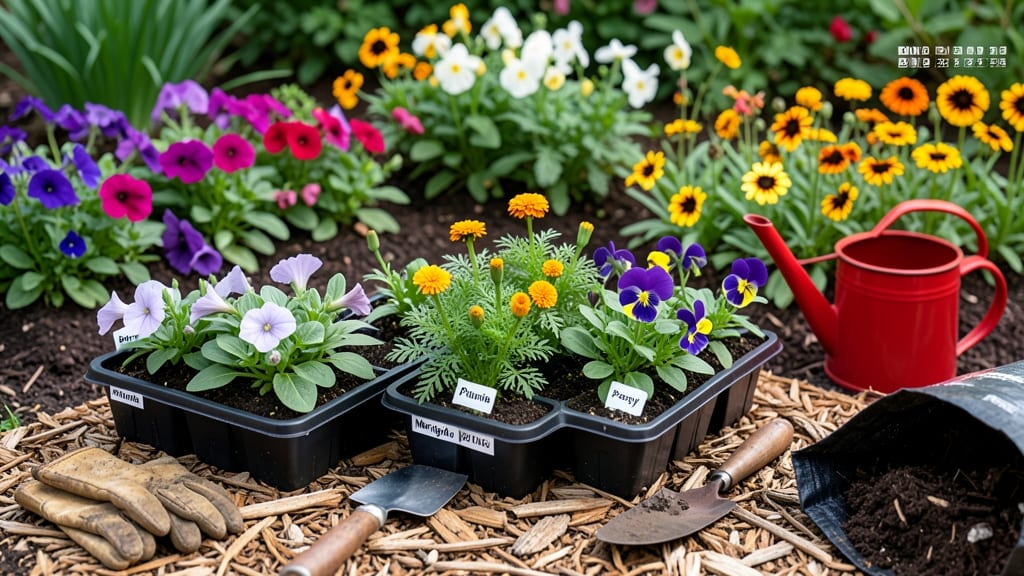
Timing your planting of Flowers 🌸 in Zone 6 can feel like walking a tightrope—too early, and frost zaps your progress; too late, and you miss the growing season entirely.
But with the right schedule, you can turn your garden into a year-round parade of color, even in this transitional climate.
The key is understanding Zone 6’s 165 frost-free days, which stretch from mid-April to early November. This window isn’t just about avoiding frost—it’s about matching your planting to soil temperatures, seasonal bloomers, and even microclimates that can shift 2-3 weeks earlier or later in your specific area.
In this guide, I’ll break down the exact months to plant annuals, perennials, and bulbs—plus how to stretch your blooming season with simple tricks. Whether you’re a first-time gardener or a seasoned pro, these insights will help you avoid common mistakes and maximize every sunny day.
Ready to transform your garden? Let’s dive into the frost-free timeline that’ll have your Flowers thriving from spring through fall—and maybe even winter, if you play your cards right.

Zone 6 frost dates by month: exact planting windows for annuals and perennials
Understanding Zone 6 frost dates is your secret weapon for a showstopping flower garden. With average last frost dates ranging from mid-April to early May and first frosts hitting mid-October to early November, timing matters more than you might think.
These dates create your planting windows—the sweet spots where tender annuals and hardy perennials thrive.
For annual flowers, wait until after your last frost date to avoid cold snaps that can stunt growth or kill seedlings. Perennials, on the other hand, often tolerate cooler soil and can be planted 4-6 weeks before the last frost.
Let’s break down the exact months and what to plant when for a continuous bloom season.
🌱 Visual Guide: Zone 6 Planting Timeline
| Month | Last Frost Date | First Frost Date | Planting Window | Best Flowers to Plant |
|---|---|---|---|---|
| March | Late March | N/A | Early March (hardy perennials) | Tulips, Daffodils, Pansies |
| April | Mid-April | N/A | After last frost (late April) | Marigolds, Petunias, Snapdragons |
| May | Early May | N/A | All month (warm-season annuals) | Zinnias, Sunflowers, Cosmos |
| June | N/A | N/A | Succession planting | Basil (edging), Nasturtiums |
| August | N/A | Late September | 6-8 weeks before frost | Asters, Chrysanthemums, Sweet Alyssum |
| September | N/A | Mid-October | Early September (fall perennials) | Mums, Calendula, Pansies |
If you’re planting spring-blooming bulbs like tulips or daffodils, the rule is simple: plant them in fall, about 6-8 weeks before the ground freezes. This gives roots time to establish before winter.
For summer-blooming perennials, like coneflowers or black-eyed Susans, aim for early spring planting as soon as the soil is workable.
Pro tip: Use row covers or cold frames to extend your planting season by 2-4 weeks in both spring and fall. This is especially helpful for tender annuals like impatiens or geraniums, which can’t handle even light frosts.
For Zone 6 gardeners, remember that microclimates matter. A south-facing slope warms up faster than a north-facing bed, so adjust your planting dates accordingly. Always check your local USDA Plant Hardiness Zone Map for precise regional details—even within Zone 6, frost dates can vary by 1-2 weeks.
One common mistake is planting warm-season annuals too early. If you sow marigolds or zinnias in March or early April, they’ll languish in cool soil and may never bloom. Wait until the soil reaches at least 50°F (10°C)—typically mid-to-late April in most of Zone 6.
To keep track, mark your calendar for these key dates: last frost, first frost, and the 6-8 week countdown before frost for fall plantings. With this timeline, you’ll enjoy continuous color
Best flowers to plant in Zone 6 by season: cool vs. warm season strategies
Zone 6’s short growing season demands smart flower choices—cool-season bloomers thrive in spring and fall, while warm-season varieties shine in summer. I’ve curated the top performers for each season, including heat-tolerant annuals and cold-hardy perennials that will keep your garden vibrant all year.
For spring blooms, start with pansies and tulips, which tolerate light frosts and burst into color as soon as the soil warms. These cool-season stars handle Zone 6’s unpredictable early springs like champions, often flowering within weeks of planting.
🌸
🌱 Seasonal Flower Highlights
- 🌷 Spring (March–May): Pansies, Tulips, Daffodils, Sweet Peas, Snapdragons
- ☀️ Summer (June–August): Zinnias, Marigolds, Petunias, Coneflowers, Black-Eyed Susans
- 🍂 Fall (September–November): Mums, Asters, Goldenrod, Salvia, Russian Sage
Pro Tip: Pair cool-season and warm-season flowers for continuous blooms—like planting pansies in early spring and zinnias in late May.
Summer in Zone 6 can be brutal, but heat-loving annuals like zinnias and marigolds thrive in the hot, dry conditions we often face. These varieties not only survive but proliferate, rewarding you with bold colors from July through frost.
For perennials, black-eyed Susans and coneflowers are drought-tolerant powerhouses that attract pollinators all season.
Don’t overlook fall flowers—they’re the unsung heroes of Zone 6 gardens! Mums and asters bloom right up until the first frost, adding late-season color when many other plants have faded. Plant them in early September to give roots time to establish before winter sets in.
Extend your blooms even further with companion planting. Pair tall delphiniums (which need support) with low-growing thyme to save space and deter pests. Or mix fragrant lavender with marigolds to repel aphids naturally while creating a stunning visual contrast.
🌿