
Plants
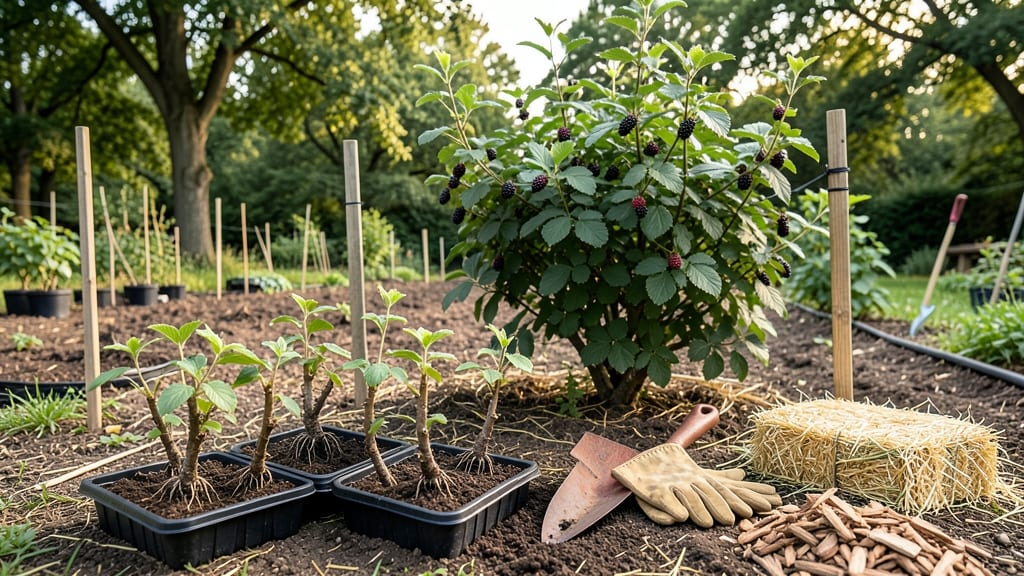
Timing your blackberry 🫐 planting in Arkansas could mean the difference between a lush, productive shrub and one that struggles to take root. With Arkansas' 7a-8b climate, getting those canes in the ground during the right late winter to early spring window is critical for survival and growth.
Most gardeners in Arkansas aim to plant between February and March, but there's more to it than just picking a month. The chill-hour requirements of your variety and soil temperatures play a huge role in determining the perfect planting window for your specific location.
Whether you're working with bare-root plants or potted varieties, knowing when to prep your soil and how to adjust for Arkansas' humidity and pests can make all the difference. I'll walk you through the exact steps to time your planting perfectly for maximum success.
From understanding your local frost dates to choosing the right variety for your microclimate, this guide covers everything you need to know to give your blackberries the best possible start. Let's get those canes in the ground at the perfect time!
Arkansas blackberry planting dates by chill-hour zone: exact months for prime growth
Arkansas’s USDA zones 7a-8b create ideal conditions for blackberries, but chill-hour requirements (400-1000 hours) dictate the best planting window. Most Arkansas varieties thrive with 500-800 chill hours, meaning late winter or early spring planting aligns perfectly with dormancy break.
For northern Arkansas (zones 7a-7b), aim for February to early March—this ensures canes establish roots before last frost dates (mid-March).
In southern Arkansas (zones 8a-8b), where winters are milder, late February through April works best. These regions experience fewer chill hours, so varieties like Natchez or Ouachita (thornless types) perform well when planted in early spring to avoid summer heat stress.
Always check your local frost dates—Arkansas’ first frost typically arrives by mid-November, but microclimates near rivers or hills may delay it.
📅 Planting Timeline by Arkansas Region:
| Region | USDA Zone | Chill Hours | Best Planting Window | Avoid Planting After |
|---|---|---|---|---|
| North Arkansas (Benton, Washington) | 7a-7b | 600-800 hours | Feb 15–Mar 15 | April 1 (risk of heat stress) |
| Central Arkansas (Little Rock, Fayetteville) | 7b-8a | 500-700 hours | Feb 28–Apr 1 | April 15 (soil too warm) |
| South Arkansas (El Dorado, Texarkana) | 8a-8b | 400-600 hours | Mar 15–Apr 15 | May 1 (summer drought risk) |
🌱 Pro Tip: Test soil temperature—plant when it reaches 50°F (10°C) for 10+ days.
For bare-root canes, Arkansas gardeners should plant as soon as soil is workable (usually late February in north to mid-March in south).
Potted blackberries offer flexibility—you can plant them up to April 15 in most zones, but they’ll need extra watering to compensate for slower root establishment. Thornless varieties like Arapaho or Chester are popular in Arkansas because they’re easier to harvest and adapt well to container growing in urban areas.
If you miss the ideal window, fall planting (October) is possible in northern Arkansas only—soil must be 60°F (15°C) and canes need 4-6 weeks to root before winter. Southern Arkansas’s warmer winters make fall planting risky due to fungal diseases from prolonged moisture.
Always choose disease-resistant varieties like Apache or Choctaw to combat Arkansas’s humid summers and warm, wet springs.
Container growing extends your planting window—potted blackberries can go in throughout spring (March-June) as long as you water deeply daily and use a 5-gallon minimum pot.
Just remember: containers dry out faster in Arkansas’s hot, sunny summers, so mulch heavily with straw or wood chips to retain moisture. For in-ground planting, amend soil with compost 3-4 weeks before planting to improve drainage—Arkansas clay soils can waterlog easily.
Timing isn’t just about months—it’s about soil temperature. Use a soil thermometer to confirm 50°F (10°C) at 6-inch depth. In northern Arkansas, this usually happens by mid-March, while southern areas may wait until late March.
Planting too early in cold soil delays root growth; planting too late risks heat stress before roots establish. Balance is key—aim for 2-3 weeks before last frost for optimal success.
Arkansas’s microclimates add another layer—river valleys (like the Arkansas River) stay warmer, while higher elevations (like the Ozark Mountains) experience earlier frosts. Check with your local cooperative extension office for hyper-local advice.
For example, Bentonville’s last frost averages March 20, while El Dorado’s is March 10. Adjust your timeline accordingly to avoid frost damage to new canes.
One common mistake Arkansas gardeners make is planting too close to summer. Blackberries planted in May or June struggle to establish roots before Arkansas’s intense heat sets in.
If you’re late, opt for container growing and provide afternoon shade until roots are 6 inches deep. Always mulch heavily (4
Critical factors that determine your Arkansas blackberry planting timeline
Planting your blackberries at the wrong time in Arkansas can lead to poor root establishment or even plant death. The key factors are soil temperature, last frost dates, and whether you're planting bare-root canes or potted plants.
In Arkansas, soil needs to reach at least 50°F (10°C) for successful planting, which typically happens in late February to early March.
Your USDA zone (7a-8b) also plays a role—northern Arkansas (zone 7a) has later frost dates than southern Arkansas (zone 8b). For example, the average last frost date in Little Rock is March 15, while in Jonesboro, it's closer to March 1.
Planting too early risks frost damage, while waiting too late may delay root growth.
Another critical factor is your blackberry variety. Thornless varieties like 'Natchez' or 'Arapaho' are popular in Arkansas because they're easier to harvest, but they still need the right chill hours (typically 400-1000 hours).
Traditional thorny varieties like 'Cheyenne' require fewer chill hours (300-500 hours) and can sometimes be planted slightly later in the season.
If you're growing blackberries in containers, timing becomes even more precise. Potted plants can be planted 2-4 weeks earlier than bare-root canes because their roots are already established. However, they still need to be in the ground before new growth begins, which usually happens in late March in Arkansas.
⚠️ Common Mistake: Planting Too Late
Many Arkansas gardeners wait until April to plant blackberries, thinking they have more time. However, this delays root establishment, leaving plants vulnerable to summer heat stress and drought. Aim to plant by March 15 in most of Arkansas to give roots time to settle before hot weather arrives.
For bare-root canes, soak them for 2-4 hours before planting to rehydrate the roots. This is especially important if you're planting in dry soil, which is common in Arkansas' clay-heavy regions.
Don't overlook microclimates in Arkansas. Areas near rivers or lakes (like the Arkansas River Valley) may have later frost dates, while higher elevations (like the Ozark Mountains) can experience frost well into April.
Use a local frost calendar or ask your county extension office for precise timing tailored to your area.
Finally, consider mulching after planting. Arkansas' hot summers can dry out soil quickly, so apply 3-4 inches of mulch (straw or pine needles work well) to retain moisture and regulate soil temperature. This helps extend your planting window slightly if you're in a cooler microclimate.
By paying attention to these factors—soil temperature, frost dates, variety type, and container vs. in-ground planting—you'll set your blackberries up for a strong start in Arkansas' climate. The right timing ensures your plants establish roots before the heat of summer arrives.