
Flowers
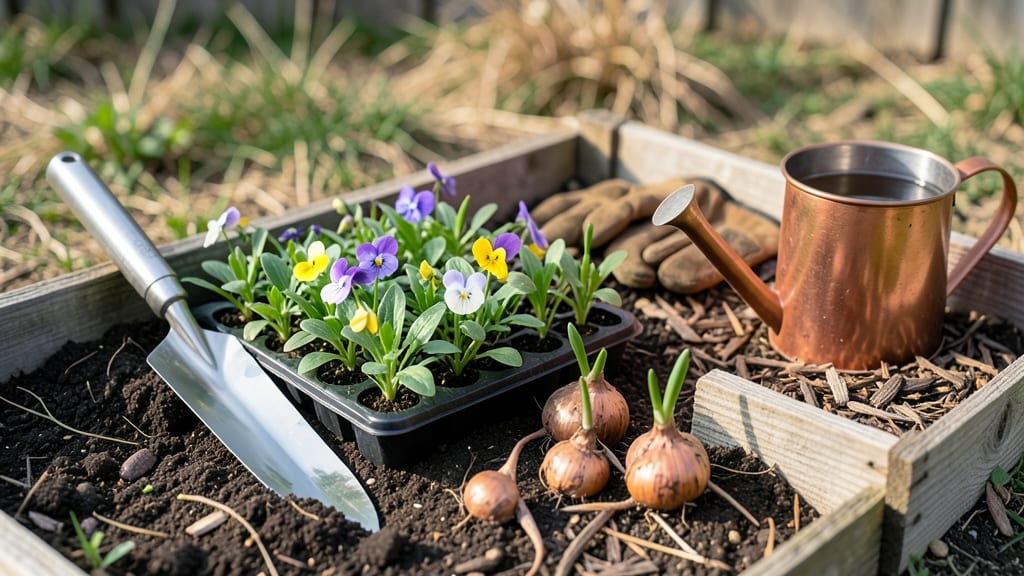
Timing your spring flower planting perfectly can transform your garden from a patch of dirt to a vibrant canvas of color—but get it wrong, and you might as well hand-deliver your blooms to the compost pile.
The difference between a thriving garden and a sad, wilted disappointment often comes down to knowing exactly when to press "go" on your planting calendar.
In Zone 6a, where I’ve spent years testing what works (and what doesn’t), the last frost date isn’t just a suggestion—it’s the golden rule.
Waiting until late April or early May gives your 🌸 flowers the stable warmth they crave, but rushing too soon can leave them vulnerable to late-night chills. The key? Soil that’s warm enough to work without sticking to your gloves.
This isn’t just about throwing seeds into the ground and hoping for the best. I’ll walk you through the exact zone-by-zone timeline, which flowers play well with early starts, and how to tweak your schedule if Mother Nature throws a curveball—like an unexpected frost or a heatwave.
Spoiler: Some blooms, like pansies, are early birds, while others, like zinnias, prefer to wait for the sun to warm up.
Ready to turn your spring planting from guesswork to a foolproof plan? Let’s dive into the science—and the secrets—that’ll have your garden looking like a postcard by summer. No more second-guessing, just blooms.
Spring planting timeline by USDA hardiness zones (with exact dates)
Timing your spring flower planting isn't just about the calendar—it's about understanding your USDA hardiness zone and local last frost date. In Zone 3, where winters are harsh, you'll want to wait until mid-May, while Zone 10 gardeners can start as early as February.
The key is planting when soil temperatures hit at least 50°F (10°C), giving delicate roots a fighting chance against frost.
For most gardeners, the two-week window after the last frost is your golden opportunity. But don't rush—cool soil can stunt growth. Use a soil thermometer to confirm readiness, especially for heat-loving annuals like marigolds or zinnias.
In colder zones, extend your season with row covers or cold frames for early plantings.
Here’s the breakdown you’ve been waiting for—exact planting windows tailored to your zone, plus pro tips for each:
| Zone | Last Frost (Avg.) | Ideal Planting Window | Pro Tip |
|---|---|---|---|
| 3-4 | Mid-May | Late May - Early June | Use black plastic mulch to warm soil faster. |
| 5-6 | Mid-April | Early April - Mid-May | Start cool-loving annuals (pansies) in March. |
| 7-8 | Early March | February - Early April | Plant heat-lovers (petunias) after soil hits 60°F. |
| 9-10 | Late December | January - March | Succession plant for continuous blooms. |
Notice how Zone 3-4 gardeners have the shortest window? That’s why perennials like coneflowers or black-eyed Susans are safer bets—they establish roots early and rebound after frost. Meanwhile, Zone 7-10 gardeners can stretch their season by planting warm-season annuals in stages, ensuring blooms from spring through fall.
For bulbs like tulips or daffodils, the rule changes: plant them in fall (6-8 weeks before frost) for spring blooms. But if you missed that window, hyacinths and crocuses can handle early spring planting in milder zones.
Always dig a hole twice as wide as the bulb’s diameter—this encourages root spread and prevents rot.
One common mistake? Planting tender annuals like geraniums too early. Their roots won’t tolerate cold soil, leading to leggy, weak plants. Instead, wait until nighttime temps stay above 50°F (10°C) consistently.
Use a frost watch app or local extension service for real-time updates—because a single 28°F (-2°C) night can wipe out your progress.
Pro tip: Hardening off seedlings is non-negotiable if you’re transplanting starts. Acclimate them to outdoor conditions over 7-10 days by gradually increasing their time outside. Skip this step, and you’ll end up with shocked plants that bolt or wilt.
Pair this with morning watering to reduce evaporation and fungal risks—wet foliage at night is a recipe for disaster.
Finally, don’t forget soil prep. Amend your beds with compost or aged manure 2-3 weeks before planting to boost nutrient availability. For sandy soils, mix in peat moss; for clay-heavy soils, add perlite.
A pH test (aim for 6.0-7.0) will tell you if you need lime (to raise pH) or sulfur (to lower it). Happy soil = happy blooms.
Now that you’ve got your zone-specific timeline, let’s tackle the next challenge: adjusting for early vs. late springs—because Mother Nature doesn’t always follow the rulebook. 🌱
How to adjust your planting schedule for early vs. late springs
Spring weather can be as unpredictable as a toddler’s mood—one day warm and sunny, the next a surprise frost that turns your garden into an ice rink. If you’re in Zone 6a, where I’ve seen last frost dates shift by weeks, knowing how to adapt is your secret weapon.
The key is flexibility: some flowers, like pansies and snapdragons, can handle cooler soils, while others, like marigolds, need to wait for the ground to warm up.
Start by checking your local frost-free date—not the average, but the recent 5-year trend. If your area has been warming earlier, you might push your planting window forward. But if late frosts are common, err on the side of caution.
For example, in my garden, I’ve learned that early March is safe for hardy annuals like sweet peas, but I wait until mid-April for heat-loving zinnias.
Here’s my pro tip: use row covers or cold frames to extend your planting window. These simple tools can add 2-4 weeks of protection, letting you plant earlier without risking frost damage.
Just remove them once nighttime temps stay above 40°F (4°C) consistently. I’ve used them to get calendulas and nasturtiums blooming a full month earlier than my neighbors!
⚠️ Warning: Don’t Rush Without Protection
Planting too early without protection is like sending your flowers to a frosty timeshare. Even cold-hardy flowers like stock or lobelia can suffer if soil temps dip below 50°F (10°C). Use this risk-assessment