
Flowers
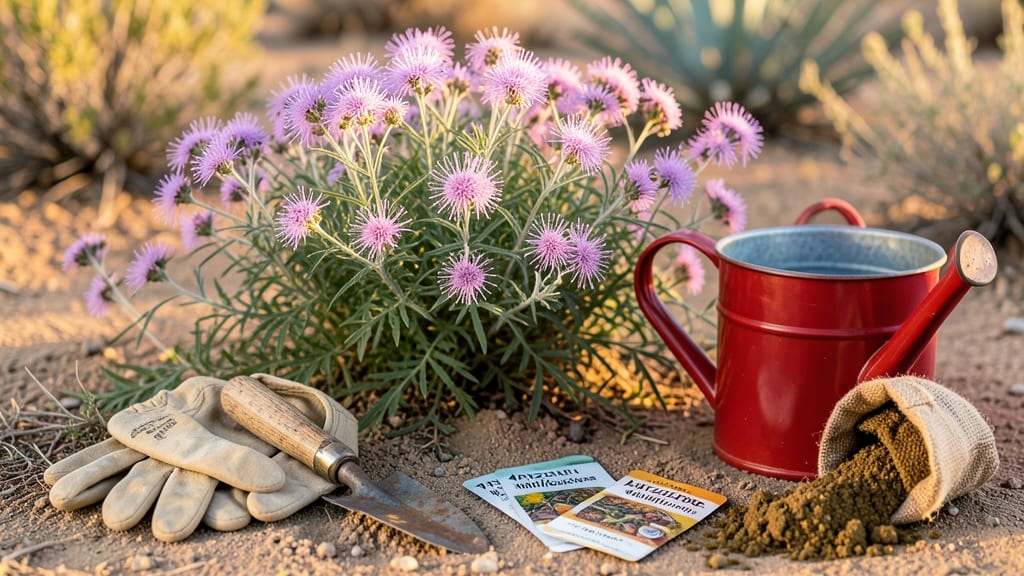
Timing is everything when it comes to planting Flowers in Arizona—get it wrong, and you’ll battle heat stress or wasted effort. The key to vibrant blooms lies in understanding Arizona’s unique climate, where fall and winter offer the perfect escape from scorching summers.
Most gardeners make one big mistake: planting too early or too late, leading to stunted growth or even plant death. But with the right schedule—like September through November—you can set your flowers up for success, ensuring they thrive when temperatures cool down.
Whether you're in Phoenix, Tucson, or Flagstaff, I’ll break down the exact planting windows for annuals, perennials, and native 🌸 varieties, so you can enjoy color year-round without the guesswork.
Ready to transform your desert garden? Let’s dive into the desert-proven schedule that’ll keep your flowers blooming beautifully, even in Zone 9b’s extreme conditions.
Arizona flower planting calendar by season (desert-proven timing)
Arizona’s two distinct growing seasons—cool and warm—dictate the best times to plant flowers without wilting under summer heat. The Low Desert (Phoenix, Tucson) has earlier frost-free dates than the High Desert (Flagstaff, Prescott), so timing varies by elevation.
My strategy? Plant in fall or winter when temperatures are mild, and avoid the brutal summer months.
For annual flowers, like marigolds or zinnias, the ideal window is September through November. This gives roots time to establish before summer’s heat peaks. Perennials, such as desert marigolds or blackfoot daisies, thrive when planted in late fall or early spring to escape extreme temperatures.
Bulbs like tulips and daffodils need a cool dormancy period, so plant them in November or December for spring blooms. Native Arizona poppies and blanket flowers prefer winter planting to avoid summer stress.
Pro tip: Check your local frost dates—the Low Desert rarely sees frost, while the High Desert may experience light freezes.
Here’s my desert-proven planting schedule broken down by season, including heat-tolerant varieties and soil prep tips to maximize success:
The Low Desert (e.g., Phoenix) has a longer growing season and can handle winter planting for spring blooms, while the High Desert (e.g., Flagstaff) needs to plant earlier in fall to avoid early frosts.
For example, tulip bulbs planted in November in Phoenix will bloom by March, but in Flagstaff, they should go in by October for the same result.
One critical mistake I’ve seen? Planting heat-sensitive flowers like petunias or impatiens in summer. These wilts within days under Arizona’s 110°F+ heat. Instead, opt for native desert flowers like ocotillo or paloverde blooms, which thrive with minimal water.
To prepare soil for fall planting, amend with compost and a slow-release fertilizer (like 5-10-10). For spring planting, focus on mulching to lock in moisture. My go-to mulch? Straw or gravel—both reduce evaporation in the desert heat.
Remember: Arizona’s monsoon season (July–September) brings sudden downpours, which can wash away young seedlings. If planting during this time, use erosion control fabric or plant in containers to protect roots. For container gardening, choose fast-draining mixes with perlite or cactus soil to prevent root rot.
Finally, deadhead spent blooms regularly to encourage new growth, especially for annuals like zinnia. In High Desert areas, wrap tender perennials in burlap during winter to shield them from 20°F nights. With this schedule, you’ll enjoy colorful blooms year-round—even in the desert! 🌵
Best heat-tolerant flowers for Arizona planting (ranked by success rate)
Arizona’s extreme heat means not all flowers thrive—but these top performers are bred to handle 110°F+ temperatures while still delivering stunning blooms. I’ve ranked them by success rate, drought tolerance, and seasonal suitability to help you pick the best for your garden.
For fall planting (September-November), focus on cool-season bloomers like pansies and snapdragons, which handle mild winters. If you’re planting in late winter (January-February), opt for heat-acclimated varieties like bougainvillea or desert marigolds that can handle summer’s intensity.
Pro tip: Pair native Arizona wildflowers (like penstemon or blanket flower) with non-natives for year-round color. These locals require zero extra water once established and attract pollinators like bees and hummingbirds.
🌡️ Heat Tolerance Ratings
| Flower | Heat Rating | Best Planting Months | Water Needs |
|---|---|---|---|
| Bougainvillea | Feb-Mar, Sep-Oct | Low (Drought-proof) | |
| Desert Marigold (Baileya) | Aug-Sep, Jan-Feb | Very Low | |
| Blanket Flower (Gaillardia) | Sep-Oct, Feb-Mar | Low | |
| Pansies (Cool Season) | Sep-Nov, Jan-Feb | Medium | |
| Lantana | Feb-Mar, Sep-Oct | Low |
Avoid planting tender annuals like petunias or geraniums in summer—they’ll wilt by June. Instead, choose succulents (e.g., agave) or cacti for zero-maintenance, heat-proof greenery that doubles as a backdrop for blooms.
For container gardens, opt for portulaca or zinnia—both thrive in pots and rebound quickly after heat stress. Just ensure containers have drainage holes and use cactus soil to prevent root rot.
My top pick? Desert marigolds—they bloom nonstop from spring to fall, repel pests, and need almost no water once established. Plant them in full sun and watch them