
Trees
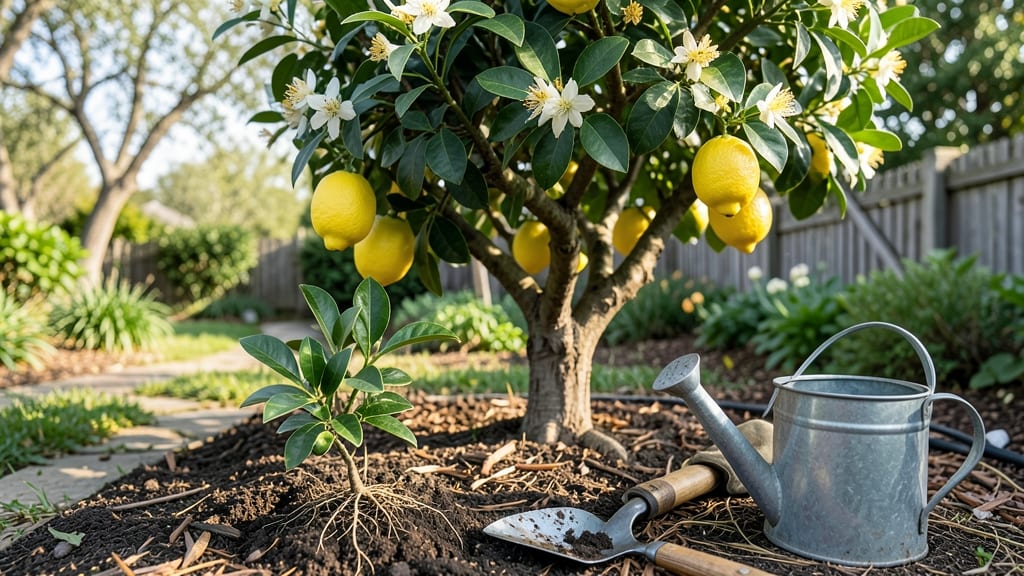
Planting your 🍊 citrus tree in Arizona at the wrong time could mean years of struggling with heat stress or poor root growth—even though the state is frost-free year-round.
The key isn’t just avoiding frost (which you never have to worry about here) but timing it so your tree establishes strong roots before the brutal summer sun kicks in.
Most Arizona gardeners swear by planting between November and February, when cooler temps and occasional rain give young roots the moisture they crave. But here’s the catch: even within Arizona, microclimates like Phoenix’s desert heat or Tucson’s slightly milder valleys can shift what “ideal” planting looks like.
In this guide, I’ll break down exactly when to plant in your specific zone—whether you’re in the scorching Low Desert or the slightly cooler Mid-Elevation areas—plus how to prep your soil and water like a pro. No more guessing games, just citrus success.
Ready to grow a thriving 🍊 citrus tree that bears fruit year-round? Let’s get started with the timing that actually works for Arizona’s unique climate.
Best planting months for citrus trees in Arizona’s 3 key microclimates
Arizona’s three distinct microclimates—Low Desert, Mid-Elevation, and Highlands—each demand different citrus planting strategies. In the Low Desert (Phoenix/Scottsdale), where summer temps hit 110°F+, planting in November or December lets roots establish before spring heat.
Meanwhile, Mid-Elevation (Tucson/Sedona) zones can plant as late as January due to milder winters, while Highland areas (Flagstaff) must plant by October to avoid rare frost risks.
Citrus trees thrive in Arizona’s USDA Zone 9b, but timing hinges on soil temperature—not just air temperature. For bare-root trees, aim for 60-70°F soil temps (test with a soil thermometer).
Container-grown trees offer flexibility, but even they need cooler months to recover from transplant shock in our intense sun.
Here’s the critical rule: Never plant during Arizona’s monsoon season (July-September). Flash floods and sudden downpours can drown roots, while 100°F+ soil stresses young trees. Even drought-tolerant varieties like Mexican lime or Calamondin need time to acclimate.
| Microclimate | Best Planting Window | Soil Temp Goal | Key Risk | Pro Tip |
|---|---|---|---|---|
| Low Desert (Phoenix) | November–December | 60–70°F | Summer heat shock | Use shade cloth first 2 weeks |
| Mid-Elevation (Tucson) | October–January | 55–65°F | Late frost (rare but possible) | Choose dwarf varieties for urban yards |
| Highlands (Flagstaff) | September–October | 50–60°F | Frost damage | Plant near south-facing walls for heat |
For urban gardeners in Phoenix or Tucson, late October can work if you use drip irrigation and mulch heavily. The key is avoiding spring planting—when temps spike to 95°F+ by April. Young roots can’t handle that heat, leading to transplant shock or even death within weeks.
If you miss the ideal window, container planting extends your options. Pots let you move trees to shadier spots during summer or greenhouse-like conditions in winter. Just ensure containers have drainage holes and use well-draining cactus/succulent mix to prevent root rot in Arizona’s calcareous soils.
Pro move: Test your soil’s pH (6.0–7.0 ideal) and drainage before planting. Arizona’s alkaline soils often need sulfur amendments or peat moss to create the slightly acidic environment citrus loves. Skip this step, and your tree’s growth will stall within 6–12 months.
One common mistake? Planting lemon or lime trees too close to sidewalks or driveways. Their roots spread 2–3x wider than their canopy. In Low Desert areas, this means keeping them 10+ feet from hardscapes to avoid root damage from heat reflection.
For maximum fruit production, time your planting so the tree enters dormancy by late fall. This lets it bud out in spring just as Arizona’s growing season kicks off. In Highland zones, this might mean planting as early as August to beat the first frost window.
Remember: Arizona’s lack of frost is a double-edged sword. Without seasonal dormancy cues, citrus trees can overgrow or bloom erratically. Prune in late winter to shape the tree and encourage spring flowering, which leads to year-round harvests in mature trees.
How Arizona’s microclimates affect citrus tree survival: what to watch for
Arizona’s microclimates create unique challenges for citrus trees. While Phoenix enjoys year-round warmth, Flagstaff’s high elevations can drop below 25°F—killing citrus roots. Even in frost-free zones, soil temperature and wind exposure dictate survival.
Urban areas like Tucson face heat islands, while rural spots may have cooler nights. Understanding these factors helps you adjust planting timing for your specific location.
In the Low Desert (Phoenix), summer heat spikes above 105°F stress young roots, making fall planting (October-November) ideal. The soil stays warm enough for root establishment but cools slightly by winter.
Meanwhile, Mid-Elevation (Tucson) areas experience cooler nights, requiring winter planting (December-February) to avoid transplant shock during sudden temperature swings.
Highland zones like Flagstaff (USDA Zone 7a) are off-limits for outdoor citrus unless you use container growing with winter protection. Even then, soil temperature must stay above 50°F for roots to thrive.
If you’re in a transition zone (e.g., Sedona), plant in late winter (March) when frost risk drops below 15% probability.
City areas like Scottsdale have hotter microclimates due to pavement heat, while rural Sahuarita stays cooler. Wind exposure is another risk—desert winds dry out young trees faster. If planting near open spaces, use windbreaks or container growing to reduce stress.
🌬️ Pro Tip: Test your soil temperature before planting—citrus roots need 60°F+ soil to establish.
Another critical factor is water availability. In arid zones (e.g., Yuma), newly planted citrus trees need deep watering every 2-3 days to prevent root desiccation. Meanwhile, higher-elevation areas (e.g., Prescott) may have moister soil, reducing watering frequency but increasing fungal risks.
Always amend soil with compost to improve drainage and moisture retention.
For urban gardeners, container growing is a game-changer. Pots let you move citrus trees to shaded areas during summer heatwaves or protected spots in winter.
Use fabric pots for better drainage and insulate roots with mulch in cooler months. This flexibility lets you plant almost year-round—just monitor root temperature closely.
Finally, frost pockets in valleys (like the San Pedro Valley) can trap cold air, even in Zone 9b. If you’re unsure about frost risk, check local weather data for 30-year averages.
Planting in elevated beds or south-facing slopes can mitigate cold air pooling, giving your citrus tree a fighting chance in marginal zones.
🌱 Key Takeaway: Arizona’s microclimates mean one-size-fits-all planting advice fails. Test your soil temperature, monitor wind exposure, and adjust timing based on your specific location—whether you’re in scorching Phoenix or cooler Flagstaff suburbs.