
Plants
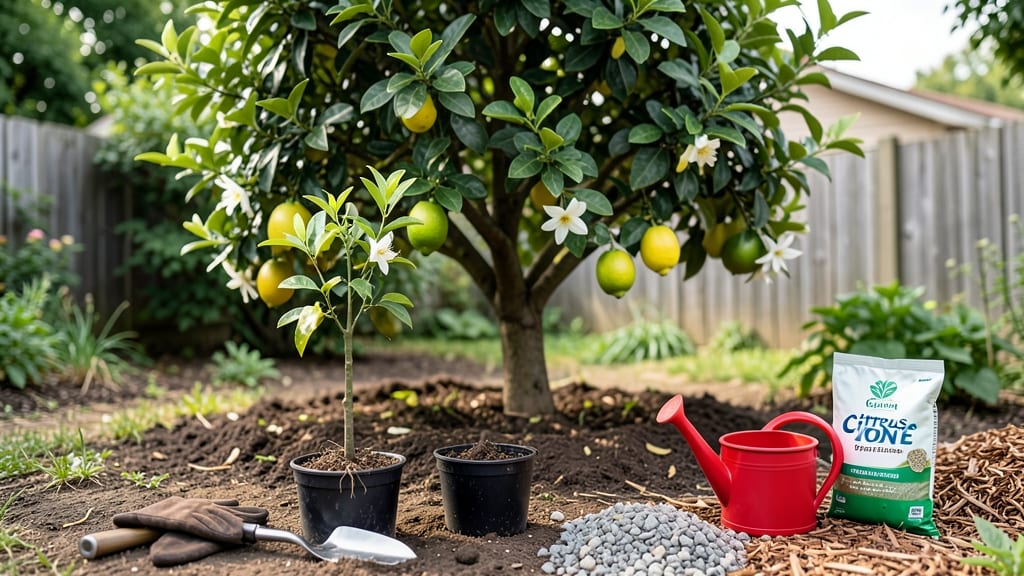
If you’ve ever dreamed of harvesting fresh, sun-ripened citrus 🌱 right from your Arizona backyard, timing your planting could be the difference between thriving trees and a sad, wilted investment.
Arizona’s unique microclimates—from the intense heat of Phoenix to the cooler high desert—mean citrus can grow year-round, but only if you plant at the perfect moment.
The key to success isn’t just picking a season—it’s understanding when your specific region’s soil warms up, frost risks fade, and monsoon moisture won’t drown your young trees.
Whether you’re in the low desert where temperatures soar or the high desert with its crisp mornings, knowing the ideal window can save you from costly mistakes. Let’s break down the best months to plant citrus in Arizona and set you up for a bountiful harvest.
You might think spring is the only time to plant citrus, but Arizona’s climate offers flexibility—if you know the tricks. We’ll cover the best planting windows for different microclimates, from early spring in cooler areas to late winter in the desert’s heart.
Plus, I’ll share how to prep your soil and choose the right variety for your zone to ensure your citrus trees take root and thrive.
Ready to turn your backyard into a citrus grove? Stick around to discover the exact timing, regional adjustments, and pro tips that’ll help your citrus trees grow strong and fruitful—no matter where you are in the Grand Canyon State.
Best planting times for citrus trees in Arizona’s 5 key microclimates
Arizona’s microclimates create a citrus gardener’s paradise—but only if you plant at the right time. The Low Desert (Phoenix) and Coastal (Tucson) zones offer year-round warmth, while High Desert (Flagstaff) and Mountain Foothills (Prescott) demand precise timing to avoid frost.
Even Urban Oases like Tempe have unique heat pockets that influence planting windows.
Citrus trees thrive when planted during active root growth, which aligns with soil temperatures above 60°F. In Arizona, this typically means late winter to early spring for most regions, but coastal areas can even accommodate fall planting.
The key is avoiding extreme heat (which stresses young roots) and late frosts (which can kill tender seedlings).
Below, I’ve broken down the optimal planting windows for Arizona’s five key microclimates, including frost-free dates and soil temperature thresholds to ensure your citrus trees establish strong roots before summer’s intensity.
For Low Desert areas like Phoenix, I recommend planting between February 1 and April 15 to capitalize on warm soil and minimal frost risk. This window allows roots to establish before the 100°F+ summers arrive.
In contrast, High Desert regions like Flagstaff should wait until May 15 to ensure no late frosts damage young trees.
Coastal Tucson enjoys a longer planting window (February to May) due to milder winters, but fall planting (September to November) is also viable for container-grown citrus. The cooler ocean breezes reduce heat stress on newly planted trees.
Meanwhile, Mountain Foothills like Prescott demand patience—planting shouldn’t start until late April when soil temperatures consistently exceed 62°F.
Urban areas like Tempe benefit from container flexibility, allowing planting as early as mid-February or as late as April. However, be mindful of urban heat islands, which can dry out soil faster. Always choose dwarf or semi-dwarf varieties for containers to ensure stability in high winds.
Pro tip: Use a soil thermometer to confirm temperatures before planting. Citrus roots struggle to establish in cold soil, so wait until readings hit 60°F+ for at least 5 inches deep. This small investment can mean the difference between a thriving tree and a struggling one.
Regardless of your microclimate, avoid planting during Arizona’s monsoon season (July to September). The intense rainfall can waterlog soil, suffocating roots, while sudden downpours may erode newly planted areas. Instead, focus on early spring for in-ground planting and fall for containers.
🌱
How to choose the perfect month for your citrus variety (oranges, lemons, limes, grapefruit)
Not all citrus trees thrive at the same time in Arizona’s climate, and choosing the right planting month for your specific variety can mean the difference between a bountiful harvest and struggling saplings. Oranges, lemons, limes, and grapefruit each have unique cold hardiness and growth cycles that align with Arizona’s microclimates.
For example, lemon trees tolerate slightly cooler temperatures than meyer lemons, while grapefruit needs extra warmth to establish roots.
In low desert areas like Phoenix and Tucson, where frost is rare, you can plant citrus year-round—but late winter through early spring (February to April) is ideal. This window ensures your young trees establish roots before the intense summer heat arrives.
Meanwhile, in high desert regions like Flagstaff, wait until after the last frost (typically mid-April to May) to avoid cold damage.
For container-grown citrus, timing is even more flexible since you can move pots indoors during cold snaps. However, planting in late winter or early spring still gives your trees the best start, as they’ll benefit from the warmer soil temperatures and longer daylight hours.
If you’re planting in urban oases like Tempe or Scottsdale, aim for March to avoid the monsoon season’s heavy rains, which can drown young roots.
🌱 Citrus Variety Planting Guide for Arizona
| Variety | Best Planting Months | Cold Hardiness | Notes |
|---|---|---|---|
| Valencia Oranges | February-April | 20°F (-6°C) | Thrives in low desert; needs well-draining soil. |
| Meyer Lemons | March-May | 15°F (-9°C) | Cold-hardy; great for containers. |
| Limes (Key or Persian) | March-April | 22°F (-6°C) | Needs consistent moisture; avoid waterlogging. |
| Ruby Red Grapefruit | April-May | 20°F (-6°C) | Heat-loving; plant after last frost. |
| Calamondin (Hybrid) | February-March | 18°F (-8°C) | Compact; ideal for containers or small yards. |
If you’re planting dwarf varieties like calamondin oranges or meyer lemons, you can push the timeline slightly earlier (as early as February) because their smaller root systems establish faster.
These varieties are also perfect for containers, allowing you to move them indoors during unexpected cold snaps or winter freezes. For standard-sized trees, wait until at least March to give their deeper roots time to anchor before the summer heat peaks.
One common mistake is planting citrus too late in the season, especially in high desert areas. If you miss the ideal window, your tree may struggle to establish roots before winter sets in, leading to stunted growth or even death.
To avoid this, always check your local frost-free date and soil temperature—aim for 60°F (15°C) or warmer for optimal root development.
Pro tip: If you’re unsure about your local microclimate, observe your neighbors’ citrus trees or check with your Cooperative Extension office. They can provide hyper-local advice tailored to your specific zone, ensuring your citrus trees get the best possible start.
With the right timing and variety, you’ll be enjoying homegrown citrus in just a few years! 🌿