
Flowers
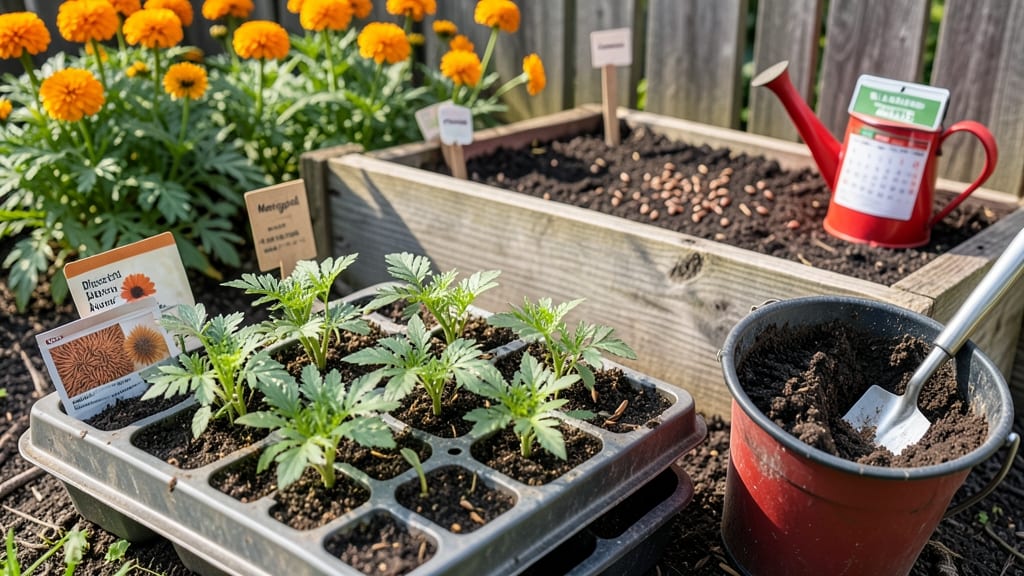
Zone 6 flower seed planting calendar: month-by-month guide for perfect blooms
Getting your flower seeds in the ground at the right time in Zone 6 ensures strong, healthy plants that reward you with bold blooms all season. Unlike warmer zones, Zone 6’s last frost dates (typically mid-April) and first frost dates (mid-October) create tight windows for planting.
Miss these timelines, and you risk weak seedlings or frost damage.
Most annual flowers thrive when sown 4-6 weeks before your last frost, while perennials often prefer early spring or late summer planting. Cool-season flowers like pansies can even handle fall sowing.
Let’s break down the exact months to plant for each category, so you can plan your garden like a pro.
🌱 Pro Tip: Always check your local last frost date—it varies slightly across Zone 6 (from late March to early May). Use the USDA Plant Hardiness Zone Map or your local cooperative extension service for precision.
Here’s your Zone 6 flower seed planting calendar, organized by season and flower type, with soil temperature thresholds and key deadlines:
| Season | Planting Window | Soil Temp | Flowers to Plant | Notes |
|---|---|---|---|---|
| Early Spring | 4-6 weeks before last frost (Feb-March) | 40-50°F | Pansies, Snapdragons, Calendula, Sweet Alyssum | Start indoors for heat-loving varieties. |
| Late Spring | After last frost (April-May) | 50-60°F | Marigolds, Zinnias, Sunflowers, Cosmos | Direct-sow after soil warms. |
| Summer | June-July (for fall blooms) | 60-70°F | Asters, Black-Eyed Susans, Coreopsis | Plant for late-season color. |
| Fall | 6-8 weeks before first frost (Aug-Sept) | 50-60°F | Sweet Peas, Larkspur, Stock | Cool-season bloomers for winter interest. |
For perennials, timing matters differently. Most perennials like coneflowers and black-eyed Susans should be planted in early spring (March-April) or early fall (September) to establish roots before dormancy. Bulbs like tulips and daffodils go in the ground in fall (October-November) for spring blooms.
If you’re eager for instant color, consider planting transplants instead of seeds. Many annuals (like petunias or geraniums) grow faster from nursery starts, giving you blooms 4-6 weeks earlier than seeds. Just be sure to harden off seedlings before transplanting to avoid shock.
Zone 6’s unpredictable weather can throw off even the best-laid plans. Use row covers or cold frames to extend your planting season by 2-3 weeks in spring or fall. This is especially helpful for heat-loving flowers like sunflowers or zinnias, which struggle in cool soil.
Don’t forget to rotate your crops if you’re planting flowers in the same spot year after year. This prevents soil-borne diseases and keeps your garden thriving. Companion planting can also boost your success—pair marigolds with tomatoes to repel pests or plant basil near petunias for a fragrant, pest-free combo.
Now that you’ve got your planting timeline locked in, let’s tackle the next step: choosing the best flowers for your Zone 6 garden. Some varieties bloom in just 30 days, while others take up to 120 days to reach their full potential.
I’ll break down the fastest and slowest bloomers so you can plan for continuous color all season.
Best flower seeds to plant in Zone 6 by season: fast-growing vs. slow-bloomers
Zone 6 gardeners have a unique advantage with two planting seasons: spring and fall. Fast-growing flowers like marigolds and zinnia thrive when planted 4-6 weeks before last frost (typically late March to April).
Slow-bloomers such as delphiniums or black-eyed Susans need 6-8 weeks to establish roots before winter sets in.
For spring blooms, sow seeds like snapdragons and petunias indoors in February—they’ll be ready to transplant after the last frost. If you prefer fall color, try cosmos or sunflowers, which tolerate cooler temps and even light frosts.
🌱
- 🌼 Marigolds – Plant March-April for summer blooms; deter pests naturally.
- 🌻 Zinnias – April-May for vibrant colors; cut flowers last 10+ days.
- 🌺 Cosmos – April-June; drought-tolerant once established.
- 🌷 Sunflowers – April-May for tall varieties; dwarf types by June.
- 🌸 Snapdragons – Start indoors in February; transplant April-May.
- 💜 Delphiniums – March-April; needs staking for tall spikes.
- 🧡 Black-Eyed Susans – April-May; perennial with golden blooms.
- 🌺 Peonies – September-October for spring blooms next year.
- 🌼 Lavender – March-April; full sun and well-drained soil required.
- 🌷 Rudbeckias – April-May; tolerates poor soil and humidity.
Pro tip: Extend your season with row covers or cold frames for early spring or late fall plantings. For example, pansies can handle light frosts and bloom from September through May.
If you’re short on time, fast-growing annuals like bachelor’s buttons or lobelia deliver color in just 4-6 weeks. For long-term rewards, perennials like coneflowers or bee balm repay your patience with years of blooms.
🌞 For Zone 6’s unpredictable weather, always check your local frost dates—they can vary by 1-2 weeks even within the same region. A quick call to your local Cooperative Extension office ensures you’re planting at the perfect time.