
Flowers
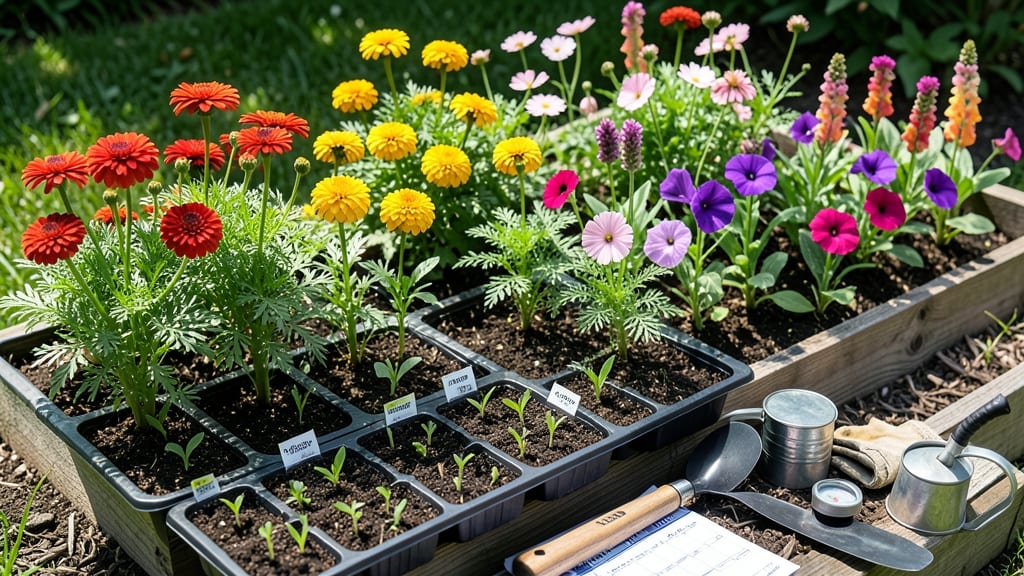
Timing your flower seeds 🌸 planting in Indiana can mean the difference between a vibrant summer garden and a sad, sparse one. With USDA Zone 5b-6b weather patterns that swing from icy April frosts to scorching July heat, getting those seeds in the ground at the right moment is everything.
I’ve watched too many gardeners rush their planting only to see their marigolds bolt before blooming or their zinnias wilt in a late frost. The key?
Knowing when to start seeds indoors, when to direct-sow after the last frost (April 15 in most of the state), and which flowers can handle a little flexibility.
In this guide, I’ll break down the exact deadlines for Indiana’s most popular flowers—annuals like cosmos and perennials like black-eyed Susans—so you can avoid common mistakes and maximize your bloom time. Whether you’re a first-time gardener or a seasoned pro, these tips will help you plan like a local.
Ready to turn your garden into a showstopper? Let’s dive into the month-by-month schedule that’ll have your flowers thriving all season long.
Indiana flower seed planting calendar by month: Zone 6 deadlines for annuals & perennials
Indiana’s Zone 6 climate offers a 165-day frost-free season, but timing is everything for flower seeds. Plant too early, and a late frost will kill tender seedlings. Too late, and your blooms may arrive too late for peak enjoyment.
The key is aligning your planting with soil temperatures (aim for 50°F+) and frost dates—typically April 15 for last frost and October 15 for first frost.
For annual flowers, focus on late spring (April–May) planting, while perennials often benefit from early spring (March) or fall (August–September) sowing.
Below, I’ve broken down the best months for popular Indiana flowers, including marigolds, zinnias, cosmos, and black-eyed Susans, with adjustments for microclimates like warmer southern Indiana or cooler northern regions.
🌱
| Flower Type | Ideal Planting Window | Soil Temp Requirement | Notes for Indiana |
|---|---|---|---|
| Marigolds (Annual) | April 15–May 15 | 50°F+ | Tolerates heat; great for succession planting. |
| Zinnias (Annual) | April 20–May 10 | 55°F+ | Needs consistent moisture; avoid late starts. |
| Cosmos (Annual) | April 1–May 15 | 50°F+ | Drought-tolerant; self-seeds easily. |
| Petunias (Annual) | May 1–15 (after frost) | 60°F+ | Heat-sensitive; mulch to retain moisture. |
| Black-Eyed Susan (Perennial) | March 15–April 15 (spring) or August 1–15 (fall) | 40°F+ | Cold-hardy; blooms summer to fall. |
| Coneflowers (Perennial) | March 1–April 15 (spring) or August 15–September 1 | 45°F+ | Drought-resistant; attracts pollinators. |
| Sunflowers (Annual) | May 1–June 15 | 60°F+ | Fast-growing; great for late starts. |
For cool-season flowers like pansies or snapdragons, you can start seeds indoors in February for early blooms. These thrive in 50–60°F soil and can handle light frosts, making them ideal for Indiana’s early spring gardens.
If you’re planting summer-blooming annuals like geraniums or impatiens, wait until after May 15 to avoid frost damage. These heat-lovers need consistent moisture and well-draining soil to prevent bolting—especially in Indiana’s humid summers.
🌿
Don’t forget about fall planting! Many perennials and cool-season annuals benefit from August–September sowing. This gives roots time to establish before winter, resulting in stronger blooms next spring. Examples include calendulas, stock, and lupines.
Pro tip: Use row covers or cold frames to extend your planting window by 2–3 weeks in early spring or late fall. This is especially useful in northern Indiana, where frosts linger longer.
🌻
How to adjust planting times for Indiana’s unpredictable weather patterns
Indiana’s spring frost dates can shift by weeks—sometimes even overnight. A late frost in early May can wipe out tender seedlings like marigolds or petunias if planted too soon. Meanwhile, a sudden heatwave in June might stress cool-season flowers like pansies if they’re not hardened off properly.
The key? Flexible timing strategies that account for soil temperature, microclimates, and Indiana’s 10-year frost history.
Start by checking your local frost-free date—typically April 15 for most of Indiana, but earlier in northern zones (5b) and later in southern areas (6b). Use a soil thermometer to confirm when temperatures hit 50°F (10°C), the minimum for most flower seeds to germinate.
If your soil is too cold in early April, delay planting or use a cold frame to create a warmer microclimate.
For annuals like zinnias or cosmos, which thrive in warm soil, wait until mid-May to avoid frost damage. But if you’re itching to start earlier, opt for hardy annuals like snapdragons or stock flowers, which can handle light frosts once established.
Always plant these in well-draining soil and protect them with row covers if frost is forecasted.
⚠️ Late Frost Warning
Indiana’s average last frost is April 15, but northern Indiana (Zone 5b) can see frost as late as May 10. Use these tactics to protect your seedlings:
- ✅ Plant cold-hardy flowers (e.g., pansies, snapdragons) 4-6 weeks before last frost.
- ✅ Use row covers or cloches for tender seedlings like petunias or geraniums.
- ✅ Delay warm-season flowers (e.g., marigolds, zinnias) until soil reaches 60°F (15°C).
- ✅ Monitor forecasts and keep a garden journal to track local frost patterns.
If you’re dealing with unusually warm winters or early springs, resist the urge to plant early. Cold soil can stunt germination, and frost-sensitive flowers like impatiens will bolt or die if exposed to temperatures below 55°F (13°C).
Instead, use succession planting: sow fast-growing flowers like bachelor’s buttons every 2-3 weeks from May through July to ensure continuous blooms.
For perennials, which take longer to establish, plant in early spring (March-April) or early fall (August-September) to give roots time to develop before extreme weather. Black-eyed Susans and coneflowers, for example, benefit from a head start in spring, while daylilies can handle fall planting if done 6-8 weeks before frost.
Pro tip: Use black plastic mulch in early spring to warm soil faster, or plant heat-loving flowers like sunflowers in late May when soil temperatures are ideal. And always keep an eye on the Indiana State Climate Office for real-time updates on frost risks and heatwaves.