
Flowers
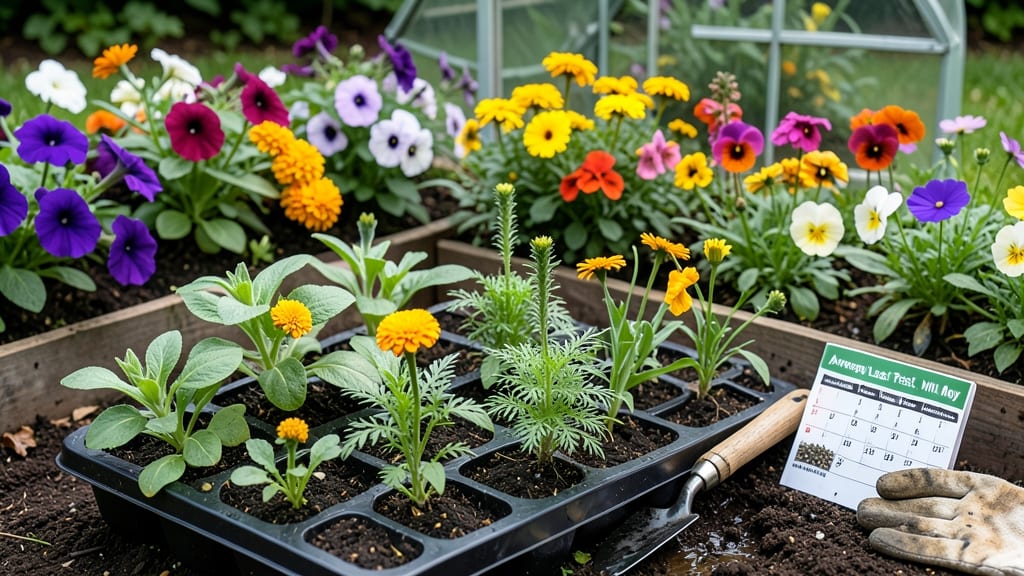
Timing when to plant flower seeds in Michigan just right is the difference between a vibrant garden and a gamble with Mother Nature.
With frost dates that can swing wildly from year to year, knowing exactly when to plant—whether you're starting indoors or sowing directly—is your secret weapon for stunning blooms.
Michigan's 5b-6b zones mean you've got a narrow window between March and May for spring planting, while fall offers another chance in August-September for hardy varieties. But here's the catch: rushing too early can fry tender seedlings, while waiting too long might leave you with stunted growth.
I've cracked the code on Michigan-specific planting strategies, from tracking soil temperatures to choosing flowers that thrive in your zone. Whether you're dreaming of sunny marigolds or delicate pansies, we'll cover everything you need to know to maximize your garden's potential.
Let's dive into the exact frost-free timeline, soil prep tips, and seasonal planting schedules that'll have your garden looking like a postcard—no guesswork required. Your perfect bloom season starts here.
Michigan’s flower seed planting timeline by hardiness Zone (5a, 5b, 6a)
Michigan’s three main hardiness zones—5a, 5b, and 6a—dictate when you can safely plant flower seeds without risking frost damage. Southern Michigan (Zone 6a) enjoys slightly earlier last frost dates, while northern regions (Zone 5a) face later springs and earlier falls.
Knowing your zone helps you time annuals, perennials, and cold-hardy flowers for maximum blooms.
For Zone 5a (northern Michigan), the average last frost date falls between May 10-20, while Zone 6a (southern Michigan) sees frost-free conditions by April 20-May 5. Zone 5b falls in between, with last frosts around April 25-May 15.
These dates shift slightly yearly, so always check Michigan State University Extension for updates.
Spring planting begins 4-6 weeks before your last frost date, typically in March-April for most zones. Cold-hardy flowers like pansies, sweet peas, and snapdragons can handle light frosts and may even thrive when sown in early spring or fall.
Meanwhile, heat-loving annuals like marigolds and zinnias need warmer soil (60°F+) and should wait until after the last frost.
Fall planting offers a second chance to grow flowers like cosmos, sunflowers, and asters. These varieties can be sown 8-10 weeks before your first frost (typically August-September in Michigan). Fall-sown seeds germinate in cooler soil and produce blooms before winter sets in.
Here’s a quick reference for Michigan’s planting windows by zone and season:
| Zone | Last Frost Date | Spring Planting Window | Fall Planting Window | Best Flowers for Zone |
|---|---|---|---|---|
| 5a (Northern MI) | May 10-20 | March 20 - April 15 | August 15 - September 10 | Pansies, Sweet Peas, Coneflowers, Black-Eyed Susans |
| 5b (Central MI) | April 25 - May 15 | March 1 - April 1 | August 1 - September 5 | Marigolds, Zinnias, Snapdragons, Coreopsis |
| 6a (Southern MI) | April 20 - May 5 | February 28 - March 31 | July 30 - August 20 | Petunias, Geraniums, Sunflowers, Cosmos |
For indoor seed starting, begin 6-8 weeks before your last frost date. This gives delicate annuals like petunias and impatiens a head start. Use grow lights or a sunny windowsill to ensure strong seedlings. Harden off plants for 7-10 days before transplanting outdoors after frost risk passes.
Direct sowing cold-hardy seeds in early spring (as soon as soil is workable) can yield earlier blooms. Cover seeds lightly with soil or mulch to retain warmth and moisture. In Zone 5a, wait until soil temperatures reach 45°F+ for direct sowing, while Zone 6a can start earlier.
Always monitor soil temperature with a thermometer—most flower seeds need 50-70°F soil to germinate. Cool-season flowers like calendula and nasturtiums tolerate 40-50°F soil, making them ideal for early spring or fall plantings. Adjust your timeline based on these conditions to avoid disappointment.
Pro tip: Use row covers or cold frames to extend your planting season by 2-4 weeks in early spring or late fall. This protects tender seedlings from unexpected frost and gives you more flexibility with timing.
Michigan’s flower seed planting timeline by hardiness Zone (5a, 5b, 6a)
Michigan’s three main hardiness zones—5a, 5b, and 6a—dictate your flower seed planting windows. In Zone 5a (northern Michigan), average last frost dates range from May 10–20, while Zone 6a (southern Michigan) sees frost-free conditions by April 20–May 5.
Always check your local Michigan State University Extension frost date maps for precision.
For spring planting, aim to sow seeds 4–6 weeks before your last frost date.
This means starting cold-hardy annuals like pansies or sweet peas indoors by early March in Zone 5a or late February in Zone 6a. Tender annuals (e.g., marigolds, zinnias) should wait until after May 1 in all zones to avoid frost damage.
| Zone | Last Frost Date | Spring Planting Window | Fall Planting Window |
|---|---|---|---|
| 5a (Northern MI) | May 10–20 | April 15–May 10 | August 1–September 10 |
| 5b (Central MI) | April 25–May 10 | April 1–April 25 | August 15–September 15 |
| 6a (Southern MI) | April 20–May 5 | March 20–April 15 | August 20–October 1 |
Don’t overlook fall planting! Many cool-season flowers thrive when sown 8–10 weeks before your first frost (typically August–September). Snapdragons, calendulas, and asters are excellent choices, as they’ll bloom until hard frosts arrive in October. Test your soil temperature—it should be at least 50°F for fall sowing.
For perennial flowers, like coneflowers or black-eyed Susans, plant seeds directly in the ground in early spring (April) or late summer (August). These hardy plants establish roots before winter, ensuring vibrant blooms the following year. Mulch heavily after planting to protect roots from temperature swings.
Use row covers or cold frames to extend your growing season in colder zones. For example, in Zone 5a, these tools can push your last frost date back by 2–3 weeks, giving tender annuals like geraniums or petunias more time to thrive.
Always remove covers during the day to prevent overheating.
Pro tip: Keep a gardening journal to track your local frost dates and adjust planting times yearly. Michigan’s climate shifts—what worked last year might not this year! Succession planting every 2–3 weeks** ensures continuous blooms from May through October.