
Flowers
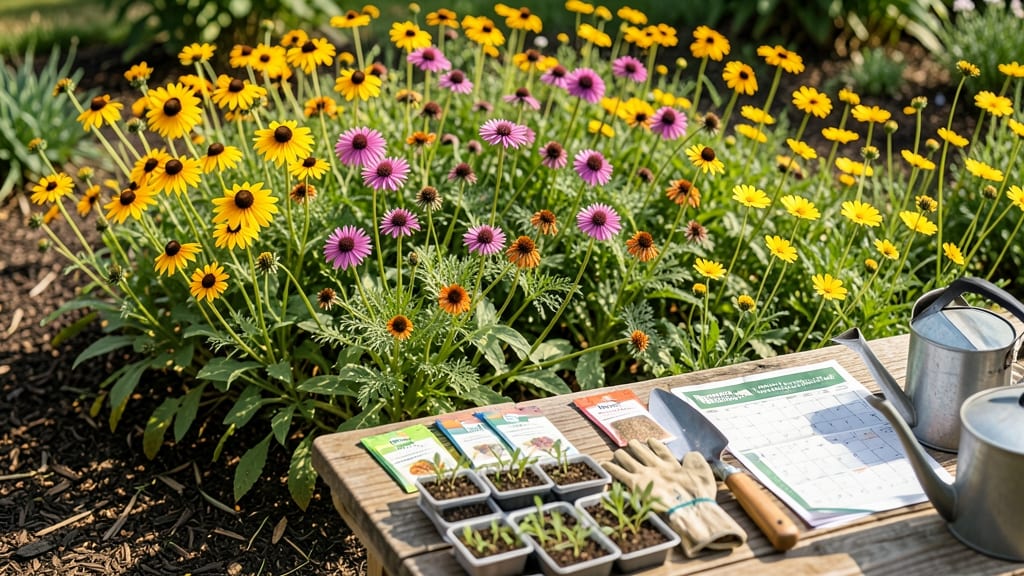
When to plant flower seeds in Tennessee can make all the difference between a thriving garden and one that struggles to take root. With USDA zones 6a-7b offering two distinct planting windows—spring and fall—you’ll want to align your schedule with frost dates and soil warmth to give your 🌸 varieties the best shot at thriving.
Most Tennessee gardeners know the March-May spring window is ideal, but did you know fall planting (August-September) can yield just as stunning results for hardy annuals and perennials? The key is understanding how microclimates—like Nashville’s urban heat islands or the Appalachian foothills—shift those perfect planting dates by 1-2 weeks.
Whether you’re sowing sun-loving marigolds or shade-tolerant impatiens, this guide breaks down exactly when to plant for peak blooms, from pre-sowing soil prep to post-planting care. Let’s get those seeds in the ground at the perfect moment so your garden puts on a show all season long.
Ready to transform your Tennessee yard into a floral paradise? I’ll walk you through the step-by-step schedule that’s worked for local gardeners—no guesswork, just gorgeous blooms. Let’s dive in!
Tennessee flower seed planting schedule by USDA zone 7A vs 7B
Tennessee spans USDA Zones 6a-7b, meaning gardeners in Zone 7A (e.g., Nashville) enjoy slightly longer growing seasons than those in Zone 7B (e.g., Chattanooga).
This difference impacts optimal planting windows for flower seeds by just 1-2 weeks, but timing can mean the difference between vibrant blooms and stunted growth.
Most flower seeds thrive when planted 4-6 weeks before the last frost date (around March 15 in Zone 7A and March 22 in Zone 7B).
For fall-blooming varieties, aim for August-September, giving plants time to establish roots before the first frost (November 15 in Zone 7A, November 8 in Zone 7B).
Soil temperature is critical—most flower seeds need at least 50°F for germination. In Tennessee, this typically aligns with mid-April, but cooler microclimates (like higher elevations) may require late-April or early May starts.
Here’s how to align your planting schedule with Tennessee’s two zones for annuals, perennials, and bulbs:
| Planting Window | Zone 7A (Nashville) | Zone 7B (Chattanooga) | Notes |
|---|---|---|---|
| Spring Annuals | March 15–April 15 | March 22–April 22 | Start indoors in February for heat-loving varieties like marigolds. |
| Perennials | April 1–May 15 | April 15–May 22 | Divide clumps in early spring or fall for healthier growth. |
| Bulbs (Spring) | October–November | September–October | Plant daffodils and tulips 6–8 weeks before frost. |
| Fall Annuals | August 1–September 15 | August 15–September 22 | Choose cool-season flowers like pansies and calendulas. |
| Bulbs (Fall) | September–October | August–September | Plant crocuses and hyacinths for early spring blooms. |
For Zone 7A gardeners, prioritize early starts in March for heat-sensitive annuals like cosmos and zinnia. In Zone 7B, extend your window into late April to avoid late frosts that can damage tender seedlings.
Always check your local frost-free date—use the National Weather Service or Old Farmer’s Almanac for real-time updates. A frost cloth can buy you 2-3 extra weeks for early plantings in both zones.
Pro tip: Direct-sow fast germinators like marigolds and sunflowers after the soil reaches 60°F (usually mid-April in Zone 7A, late April in Zone 7B). For slower germinators like snapdragons, start seeds indoors 6-8 weeks before transplanting.
In Tennessee’s humid summers, avoid planting heat-loving annuals (e.g., lantana) until after May 15 to prevent wilting. Instead, opt for shade-tolerant perennials like black-eyed Susans or bee balm for mid-summer color.
🌱
Best flower seeds to plant in Tennessee by season for long-lasting blooms
Tennessee’s diverse climate zones and four distinct seasons mean you can enjoy continuous blooms with the right flower seeds. Spring and fall are the prime planting windows, but selecting the right varieties for each season ensures your garden stays vibrant year-round.
For spring planting (March-May), focus on cool-season annuals like pansies and snapdragons that thrive in Tennessee’s 50-65°F soil temperatures. These hardy flowers handle late frosts and provide early color.
In contrast, summer-blooming favorites like zinnias and marigolds should wait until after the last frost date (typically mid-March in Zone 7B).
Fall planting (August-September) opens doors for winter-hardy annuals like calendulas and sweet alyssum, which bloom until frost. Perennials like black-eyed Susans and coneflowers also establish roots in fall, giving them a head start for next year’s bold, long-lasting blooms.
🌸 Seasonal Flower Seed Guide for Tennessee
- Pansies: 🌡️ 45-65°F soil, 🌧️ 1" deep
- Snapdragons: 🌞 Full sun, ✂️ Deadhead for repeat blooms
- Sweet Peas: 🌿 Trellis support, 🌱 Start indoors in Feb
- Zinnias: 💧 Drought-tolerant, 🌞 6+ hrs sun
- Marigolds: 🐝 Pollinator magnet, 🌱 Direct sow after frost
- Cosmos: 🌿 Low-maintenance, 🌱 Self-seeds easily
- Calendulas: 🌡️ 60-70°F soil, 🌧️ 1/4" deep
- Alyssum: 🐝 Honeybee favorite, 🌿 Fragrant
- Black-Eyed Susans: 🌱 Perennial, 🌞 Full sun
- Dianthus: 🌧️ Frost-resistant, 🌿 Pink/red blooms
- Winter Aconite: 🌱 Early spring, 🌼 Yellow flowers
- Ornamental Kale: 🌿 Edible leaves, 🌡️ Cold-hardy
Native Tennessee flowers like purple coneflowers and butterfly weed are excellent choices for pollinator gardens, thriving in USDA Zone 7A/7B with minimal care. These perennials return year after year, offering low-maintenance beauty and supporting local ecosystems.
For container gardening, opt for compact varieties like petunias or geraniums, which bloom prolifically in patio pots and hanging baskets. Just ensure your containers have drainage holes and use well-draining potting mix to prevent root rot.
Pro tip: Always check your seed packet for days-to-maturity estimates. Plant fast-blooming varieties (like zinnias) first for instant color, then follow with longer-season bloomers (like hollyhocks) to extend your garden’s show.