
Flowers
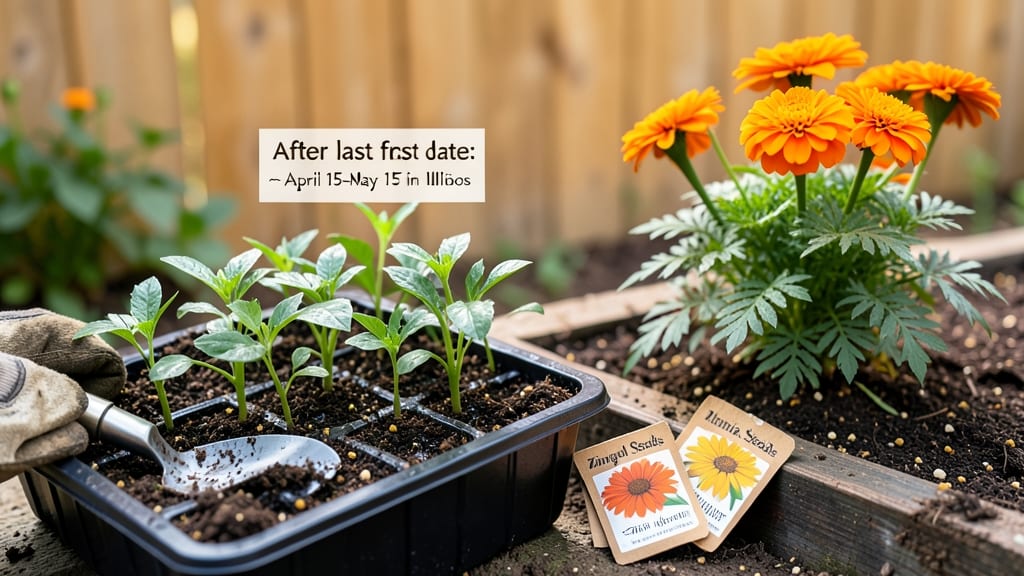
Timing when to plant flower seeds in Illinois could mean the difference between a garden bursting with color and one that barely takes root. With USDA Zones 5-6 bringing unpredictable frost dates and shifting seasons, planting too early or late can leave your blooms struggling—or worse, never making an appearance.
I’ve learned the hard way that Illinois gardeners need a flexible approach. Whether you’re in Chicago’s cooler microclimate or southern Illinois’s slightly warmer stretches, knowing when to start seeds indoors versus direct-sowing outdoors is the key to success.
The right window ensures your cosmos, zinnias, or peonies get the head start they need before summer’s heat or winter’s chill sets in.
This isn’t just about memorizing dates—it’s about understanding your zone’s quirks. For example, Zone 5 gardeners should start cool-season flowers like pansies by March 15, while tender annuals like marigolds wait until after the last frost, around May 15.
Even a week’s miscalculation can throw off your entire growing season.
Let me show you exactly when to plant flower seeds for your Illinois zone, plus pro tips to stretch your season and avoid common pitfalls. By the end, you’ll know not just when to plant, but how to give your garden the best shot at a show-stopping display.
Illinois planting Zones 5-7: exact months to start flower seeds indoors and outdoors
Illinois spans USDA Zones 5 through 7, which means your last frost dates can vary by 3-4 weeks—critical for timing flower seed planting. In Zone 5 (northern IL), frost lingers until mid-April, while Zone 7 (southern IL) sees last frosts by mid-March.
This difference directly impacts when to start seeds indoors vs. outdoors for optimal blooms.
For cool-season flowers like snapdragons, pansies, and sweet peas, you can direct-sow as early as March in Zone 7 or late March in Zone 5.
However, tender annuals (e.g., marigolds, zinnias, cosmos) need to wait until after your last frost date—typically mid-April to early May, depending on your microclimate.
Here’s how to align your planting with Illinois’ zones, including indoor seed-starting windows and direct-sowing dates for both spring and fall:
| Zone | Last Frost Date | Indoor Seed Start (Cool Flowers) | Direct Sow (Cool Flowers) | Direct Sow (Warm Flowers) |
|---|---|---|---|---|
| Zone 5a/5b | Mid-April | Feb 15 - Mar 1 | Mar 20 - Apr 10 | May 1 - May 15 |
| Zone 6a/6b | Early April | Feb 1 - Feb 15 | Mar 1 - Mar 20 | Apr 15 - May 1 |
| Zone 7a | Mid-March | Jan 20 - Feb 1 | Feb 20 - Mar 10 | Apr 1 - Apr 15 |
Adjust dates 1-2 weeks earlier for urban areas (warmer microclimates) or later for rural highlands.
For fall planting, aim to sow cool-season flowers like calendulas, stock, and asters between August 1 and September 15. These varieties thrive in cooler temperatures and can handle light frosts, giving you late-season blooms before winter sets in.
In Zone 5, push the cutoff to September 1 to avoid early frosts.
Pro tip: Use a soil thermometer to confirm soil temps ≥60°F before planting warm-season seeds. In Zone 5, soil may not warm enough until late May, while Zone 7 gardeners can start as early as mid-April. This simple check prevents seed rot and ensures strong germination.
Microclimates play a huge role in Illinois. Chicago’s Lake Michigan effect can delay frosts by 1-2 weeks in nearby areas, while southern Illinois’ river valleys may warm up faster.
Observe your garden’s local frost patterns for 2-3 years to fine-tune your schedule—this is how experienced Illinois gardeners maximize their bloom time.
Don’t overlook succession planting for continuous color. In Zone 5, stagger zinnias and cosmos every 2 weeks from May to July to enjoy blooms until first frost. In Zone 7, you can extend this to August with heat-tolerant varieties like celosia or portulaca.
Remember: Perennials (e.g., black-eyed Susans, coneflowers) can be sown directly in fall for earlier spring growth. Plant them 6-8 weeks before first frost—typically late August to early September—so they establish roots before winter. This one-season head start pays off with bigger, hardier plants next year.
If you’re in Zone 5 and worried about short growing seasons, focus on fast-growing annuals like bachelor’s buttons (30-40 days to bloom) or larkspur (50-60 days). These cool-loving flowers thrive in spring’s brief window before summer heat arrives.
For Zone 7 gardeners, embrace longer seasons by planting heat-loving flowers like sunflowers, gaillardia, and salvia as early as March
Best flowers to plant by seed in Illinois (and when to avoid them)
Not all flower seeds thrive in Illinois’ variable climate, so choosing the right varieties—and knowing when to plant them—is key. Cosmos and zinnias are my top picks for beginners because they germinate quickly and bloom prolifically in Zones 5-7.
These heat-lovers perform best when sown directly outdoors after your last frost date, typically mid-April to May.
For long-lasting blooms, black-eyed Susans and coneflowers are perennial powerhouses. Start their seeds indoors 6-8 weeks before your last frost (around March 1 for Zone 5) or sow them outdoors in early spring once soil temperatures hit 60°F. These tough perennials reward patience with summer-to-fall color.
Peonies and rudbeckias also excel in Illinois gardens. Plant peony seeds in fall (September-October) for best results, while rudbeckias can be sown directly in spring or early summer. Both thrive in partial shade and moist, well-drained soil, making them low-maintenance choices.
🌱 Top 5 Flowers to Grow from Seed in Illinois
- 1. Cosmos – Sow outdoors April-May; thrives in hot, dry conditions.
- 2. Zinnias – Direct-sow May-June; cut flowers last weeks in a vase.
- 3. Black-Eyed Susans – Start indoors March or sow outdoors April-May.
- 4. Coneflowers – Plant seeds early spring; attracts pollinators all season.
- 5. Marigolds – Sow outdoors April-May; repels pests naturally.
Skip impatiens and petunias if you’re planting from seed—these tender annuals struggle in Illinois’ cool springs and late frosts. Instead, opt for heat-tolerant alternatives like portulacas (sow in May-June) or celosias, which handle summer heat beautifully.
For fall blooms, try asters or goldenrods. Sow their seeds outdoors in late summer (August-September) to ensure they establish roots before winter. These late-season stars add color when many gardens fade.
Pro tip: Always check seed packets for days to maturity—plant early varieties first, then stagger succession plantings every 2-3 weeks to enjoy continuous blooms all season. Test soil temperature with a thermometer before sowing; most seeds need 60°F+ soil to germinate reliably.