
Flowers
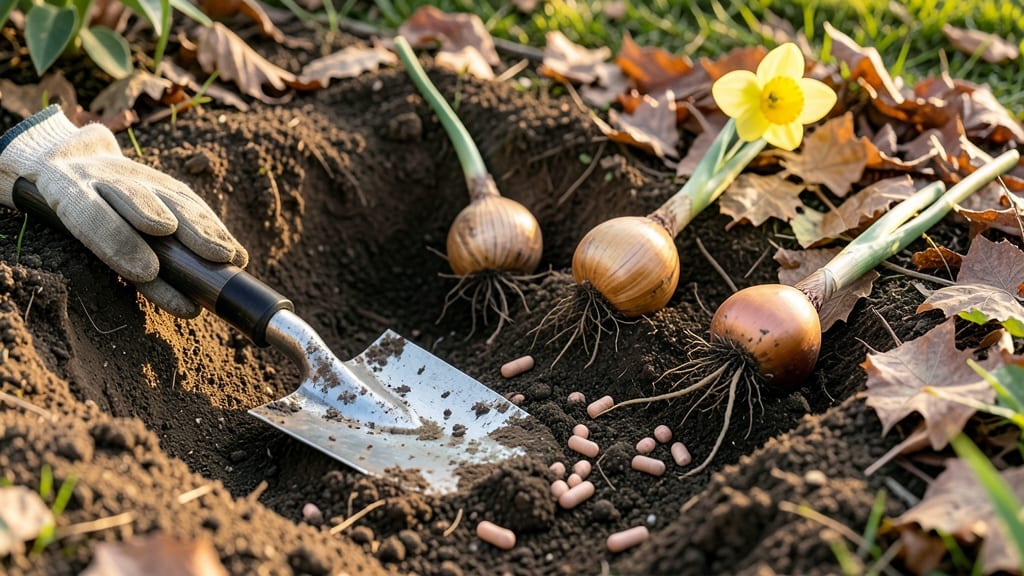
Timing your flower bulbs planting in autumn is the secret to those showstopping spring blooms you’ve been dreaming of—but get it wrong, and you’ll be left with nothing but disappointment.
Whether you’re in a chilly USDA Zone 6a or a milder region, the 6-8 week window before frost is your golden opportunity to set the stage for next year’s garden magic.
I’ve planted bulbs for years, and the difference between a thriving garden and a flop often comes down to one thing: knowing exactly when to dig. Too early, and your 🌷 flower bulbs might rot in soggy soil; too late, and they’ll miss their chance to root before winter.
The good news? With a few simple adjustments based on your local climate, you can make this process foolproof—even if you’re a beginner.
In this guide, I’ll break down the perfect planting schedule for your zone, share pro tips for tricky weather, and help you avoid the most common mistakes. By the end, you’ll know exactly when to plant for vibrant blooms that’ll make your neighbors green with envy.
Let’s get those bulbs in the ground at the right time—so you can enjoy the fruits of your labor come spring!
Autumn flower bulb planting dates by USDA hardiness zones
Timing is everything when planting flower bulbs in autumn—get it right, and you’ll enjoy a burst of spring color. Most bulbs need 6–8 weeks in the ground before the first frost to establish roots.
In USDA Zones 3–10, this window spans from early September to mid-November, but exact dates vary by region.
For example, gardeners in Zone 3 (think Minnesota or Maine) should plant by mid-September to avoid early freezes, while those in Zone 10 (like Southern California) can wait until late November.
Even within a zone, microclimates—like urban heat islands or high-altitude gardens—can shift your ideal planting window by 1–2 weeks.
Pro tip: Check your local frost dates (try the National Weather Service or Old Farmer’s Almanac) and count backward. Bulbs like tulips and daffodils are forgiving, but snowdrops and crocuses need cooler soil to thrive.
🌱
| USDA Zone | Planting Window | Best Bulbs for Zone | Soil Temp Goal |
|---|---|---|---|
| 3–4 (Cold Climates) | Mid-September to early October | Tulips, Daffodils, Hyacinths | 40–50°F |
| 5–6 (Northern U.S.) | Late September to mid-October | Alliums, Snowdrops, Crocuses | 45–55°F |
| 7–8 (Mid-Atlantic/South) | October to early November | Dahlias, Lilies, Fritillaries | 50–60°F |
| 9–10 (West Coast/South) | November (or even December) | Rain Lilies, Cyclamen, Paperwhites | 55–65°F |
🌿 Note: Adjust for high-altitude gardens (plant 2–3 weeks earlier).
If you’re in a transition zone (like Zone 7b), aim for the earlier end of the window. For instance, in Atlanta (Zone 7b), I plant most bulbs by October 1st to give them time to root before winter.
In contrast, my friend in Asheville (Zone 6b) plants by mid-September to avoid early mountain frosts.
Don’t stress if your local weather throws a curveball. A late frost warning? Cover bulbs with mulch or straw for extra insulation. Conversely, if your autumn stays unseasonably warm, delay planting until soil temps drop below 60°F to prevent sprouting too soon.
For container gardening, plant bulbs in pots by the same zone-based timeline, but use well-draining mix and move containers to a garage or cold frame if frost threatens. This trick lets me grow tulips in Zone 9—just bring them indoors before winter!
🌷
Remember: The key to success is planting when your soil is cool but workable (not soggy or frozen). Test with your finger—if it’s easy to push a trowel in without resistance, it’s time. And always plant bulbs pointy end up (yes, even if it looks obvious—mistakes happen!).
Need a visual reminder? Grab a garden calendar or set a phone alert for your zone’s deadline. Miss the window? Some bulbs (like paperwhites) can be forced indoors in winter, but spring blooms are worth the autumn effort!
Autumn flower bulb planting dates by USDA hardiness zones
Planting flower bulbs in autumn is all about timing—specifically, the 6-8 week window before your first frost. This ensures bulbs like tulips, daffodils, and hyacinths have time to root before winter. But the exact date varies wildly depending on your USDA zone.
In Zone 3–5, where winters are harsh, aim for late September to early October. Meanwhile, gardeners in Zone 7–10 have a longer window—often until mid-November—because milder climates delay frost.
For example, if you’re in Zone 6a (like much of the Midwest), your ideal planting window is roughly mid-September to mid-October. This aligns with the 6-8 week rule before your average first frost date of November 15.
Miss this window, and your bulbs might not establish roots before the ground freezes, leaving you with flops instead of blooms next spring.
| USDA Zone | Planting Window | Notes |
|---|---|---|
| Zones 3–5 | Late September–Early October | Early frost risk; plant deeper for insulation. |
| Zones 6–7 | Mid-September–Mid-October | Classic window; adjust for early/late frosts. |
| Zones 8–10 | October–November | Milder winters; plant later to avoid rot. |
Pro tip: Check your local first frost date (use the Old Farmer’s Almanac or your USDA zone map) and count backward. If you’re in a warmer microclimate (like near a lake or urban heat island), you might extend your window by a week or two.
Conversely, high-altitude gardens or early-frost areas may need to plant 2–3 weeks earlier to compensate.
Don’t overlook soil temperature—aim for 40–50°F at planting time. Cold soil slows root growth, while warm soil can encourage rot. Test your soil with a soil thermometer if you’re unsure.
In Zone 6a, for example, soil temps typically hit the sweet spot in early October, making it the perfect time to dig in.
One common mistake? Planting too shallow in heavy clay or too deep in sandy soil. A general rule is to plant bulbs 2–3 times their height deep. For tulips (6 inches tall at maturity), that means 6–8 inches deep.
Adjust for your soil type—sandy soil drains faster, so plant slightly shallower to prevent drying out.
Finally, choose high-quality bulbs from reputable suppliers. Firm, dry bulbs with no signs of mold or sprouting will give you the best start. Store them in a cool, dark place (like a garage or basement) until planting day.
With the right timing and prep, your autumn-planted bulbs will reward you with bold, early spring blooms—and maybe even a few surprises if you plant perennial varieties like alliums or fritillaries.