
Flowers
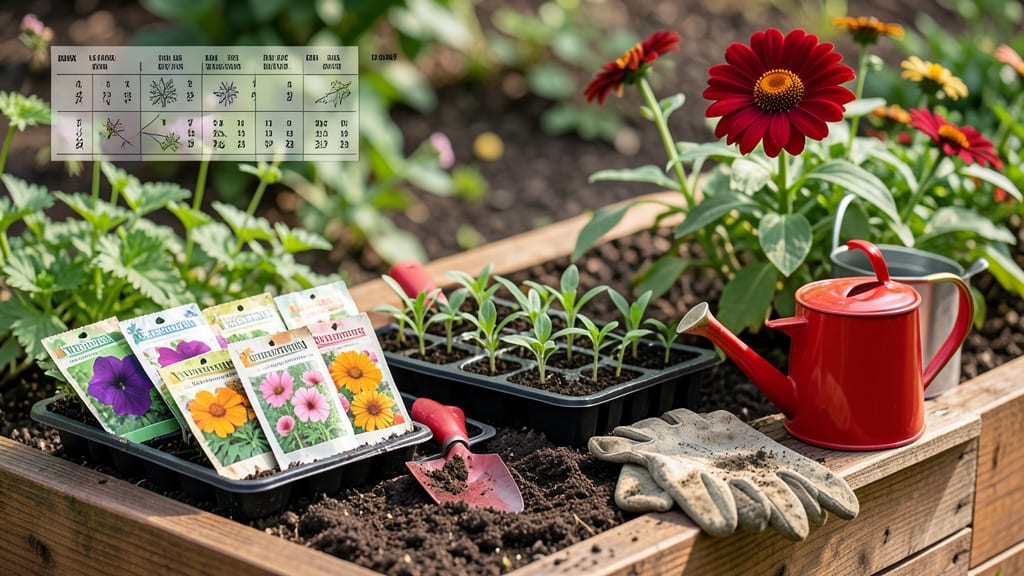
Timing your flower seeds planting in Wisconsin isn’t just about the calendar—it’s about outsmarting those sneaky late frosts that can turn your garden dreams into a sad, icy memory.
With zones 4b-5b and unpredictable spring weather, knowing when to start seeds indoors or pop them straight into the soil makes all the difference between a vibrant summer garden and a wasted season.
I’ve learned the hard way that planting too early can leave your 🌸 flower seeds shivering in the cold, while waiting too long might mean missing out on those early blooms you’ve been dreaming of.
The key is understanding your local frost dates and soil temperatures—because even in Wisconsin, not all regions behave the same. Whether you’re in Madison or Milwaukee, rural fields or urban balconies, the right timing ensures your flowers thrive.
In this guide, I’ll break down exactly when to start your seeds indoors (yes, even in Wisconsin’s chilly climate) and when to trust the great outdoors.
You’ll discover which flowers are tough enough to handle our short growing season and how to stretch your blooming time from June to September. Let’s turn those frost dates into a garden planner’s best friend.
Ready to skip the guesswork? By the end, you’ll know exactly when to plant—so you can enjoy a garden bursting with color, no matter what Wisconsin throws your way. Let’s get those seeds in the ground the right way!
Wisconsin planting zones: when to start flower seeds indoors vs. outdoors
Wisconsin spans USDA hardiness zones 3-5, meaning frost dates vary dramatically across the state. In northern Wisconsin (zone 3-4), last spring frost typically hits May 10-20, while southern Wisconsin (zone 5) sees frost-free conditions by April 15-30.
These differences are critical for timing your flower seed planting.
For cold-hardy annuals like sweet alyssum or lobelia, you can direct sow seeds as early as mid-April in zone 5, but wait until late May in zone 3. Tender flowers like marigolds or petunias need warmer soil—aim for after Memorial Day in most regions.
Indoor starting dates matter just as much. Begin heat-loving annuals 8-10 weeks before last frost (by March 1 in zone 5, April 1 in zone 3). Cool-season flowers like pansies or snapdragons can start indoors as early as January for spring blooms.
Soil temperature is your best guide. Use a soil thermometer—most flower seeds need soil at 50-70°F to germinate. In Wisconsin, this usually aligns with late May for northern areas and early May in the south.
Wisconsin Flower Seed Planting Timeline
| Zone | Indoor Start (Weeks Before Last Frost) | Direct Sow Window | Soil Temp Requirement |
|---|---|---|---|
| Zone 3 (North) | 8-10 weeks (by April 1) | Late May - Early June | 50-70°F |
| Zone 4 (Central) | 6-8 weeks (by March 15) | Mid-May - Late May | 50-70°F |
| Zone 5 (South) | 4-6 weeks (by February 15) | Mid-April - Early May | 45-65°F |
Microclimates add another layer of complexity. Urban areas like Milwaukee often warm up faster than rural northern Wisconsin due to the urban heat island effect. Check local cooperative extension service frost dates for your exact location.
Perennials like coneflowers or black-eyed Susans can be direct-sown in early spring (as soon as soil is workable) or fall (6-8 weeks before first frost). These hardy plants establish roots early and bloom reliably for years.
Don’t forget about late summer planting! Many annuals like cosmos or zinnias thrive when sown in August. They’ll bloom until frost, giving you extended color when other flowers fade.
For tender perennials like dahlias or canas, start seeds indoors in March and transplant after Memorial Day. These plants need warm soil and long summers to establish properly.
Always monitor weekly frost forecasts from the National Weather Service or Old Farmer’s Almanac. A late frost can wipe out young seedlings overnight—better safe than sorry!
Wisconsin planting zones: when to start flower seeds indoors vs. outdoors
Wisconsin spans USDA hardiness zones 3-5, meaning your planting timeline depends heavily on whether you're in northern zone 3 (e.g., Green Bay) or southern zone 5 (e.g., Madison).
The last average frost date ranges from mid-April in the south to early June in the north. This variability makes timing critical for maximizing your flower seeds' success.
For most annual flowers, I recommend starting seeds indoors 6-8 weeks before your last frost date.
In zone 4-5, this means sowing marigolds, zinnias, or cosmos in early to mid-March. Perennials like coneflowers or black-eyed Susans can often be direct-sown after soil reaches 50°F (10°C), typically late April to early May in most regions.
| Zone | Last Frost Date | Indoor Start (Annuals) | Outdoor Planting |
|---|---|---|---|
| Zone 3 (North) | Mid-May to early June | Early to mid-April | Late May to June |
| Zone 4 (Central) | Late April to early May | Early March to mid-April | Mid-May to early June |
| Zone 5 (South) | Mid-April | Late February to early March | Late April to mid-May |
Note: Adjust dates 1-2 weeks earlier for urban areas (warmer microclimates) or later for rural highlands.
Cold-hardy flowers like snapdragons or sweet peas can handle light frost and may be planted outdoors 2-3 weeks before your last frost date. These early bloomers give you color sooner and help pollinators wake up from winter.
Meanwhile, tender annuals like petunias or geraniums should wait until after all danger of frost—typically mid-May in northern Wisconsin and late April in the south.
Don't forget about late summer planting for flowers like cosmos or sunflowers. These varieties thrive when sown in August, giving them time to establish roots before Wisconsin's first frost in mid-October. This strategy extends your blooming season and provides late-season nectar for bees and butterflies.
For gardeners in zone 4-5, I always recommend checking local frost dates from resources like the Midwestern Regional Climate Center or your local Cooperative Extension office.
These tools provide hyper-localized data that's more accurate than general zone guidelines. A 5°F difference can mean the difference between success and failure for delicate seedlings.
Pro tip: Use biodegradable seed starter pots for indoor seedlings to avoid transplant shock. And if you're unsure about timing, opt for slow-growing perennials like daylilies or bee balm, which are more forgiving than annuals.
These plants establish strong roots early and bounce back from late frosts better than their annual counterparts.