
Flowers
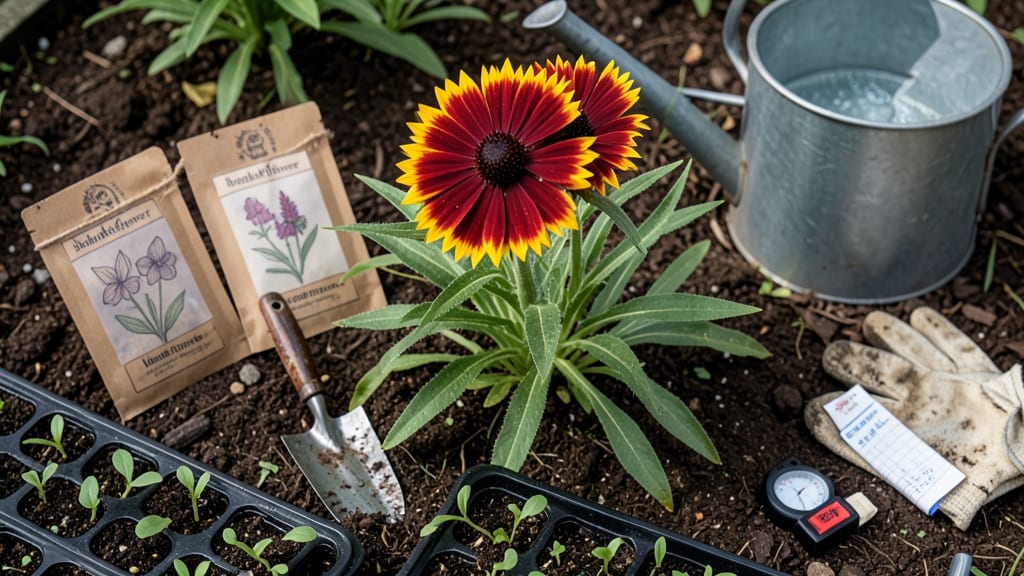
If you’ve ever stared at a packet of flower seeds 🌸 wondering whether to plant them this week or wait, Colorado’s unpredictable climate makes timing the difference between a thriving garden and a sad, frost-killed experiment.
The wrong move could leave your yard looking more like a science experiment than a showstopper—especially when high-altitude zones and early frosts throw off even the most well-intentioned gardeners.
Here’s the truth: Colorado’s USDA zones 5-7 demand precision, but the good news is that once you know the exact windows—from late March’s first warm spells to mid-September’s last chance for fall blooms—you’ll never second-guess your planting schedule again.
Whether you’re in Denver’s urban heat pockets or the cooler slopes of the Rockies, the key is reading your local frost dates like a pro.
I’ll break down the perfect planting calendar for Colorado’s most popular flowers, including when to start seeds indoors (hint: it’s often 6-8 weeks before your last frost), which varieties thrive in your zone, and how to adjust for drought or elevation.
No more guessing—just bold, vibrant blooms that make your neighbors jealous.
Ready to turn your garden into a year-round paradise? Let’s dive into the exact dates, tips, and tricks that’ll have your flower seeds 🌸 sprouting like clockwork—no matter where in Colorado you call home.
Colorado planting zones: key dates for flower seed success by elevation
Colorado’s USDA Plant Hardiness Zones 3-7 create a unique challenge for gardeners. High-altitude areas like Boulder (Zone 5) and Colorado Springs (Zone 6) have shorter growing seasons than lower elevations like Denver (Zone 5) or Grand Junction (Zone 7).
Understanding these zones helps you plant flower seeds at the perfect time—whether you're growing cold-hardy cosmos or heat-loving zinnias.
Your last frost date is your golden rule. In most of Colorado, this falls between mid-April and early May, but mountain regions can delay it until late May or June.
For example, Fort Collins (Zone 4) has a later last frost than Pueblo (Zone 6). Always check local Colorado State University Extension resources for precise dates.
Here’s how to use these zones to plan your flower seed planting schedule. Start by identifying your zone, then adjust for elevation. For instance, a 1,000-foot difference can shift your frost dates by 1-2 weeks. Use this elevation adjustment guide to fine-tune your timing:
For annual flowers like marigolds and sunflowers, aim to plant seeds 2-3 weeks after your last frost date. These warm-season lovers need soil temperatures above 50°F (10°C) to germinate.
Use a soil thermometer to check—if it’s cooler, wait a few more days or use black plastic mulch to warm the soil faster.
If you’re planting cool-season flowers like pansies or sweet alyssum, you can sow seeds 4-6 weeks before your last frost date. These cold-tolerant varieties thrive in 40-50°F (4-10°C) soil and can even handle light frosts.
For high-altitude gardens, consider starting these indoors in January to get a head start.
For perennial flowers like coneflowers or black-eyed Susans, plant seeds indoors 8-10 weeks before your last frost date. These long-lived plants benefit from early starts because they take longer to establish. Harden off seedlings gradually before transplanting outdoors after the last frost.
Always adjust for microclimates. Urban areas like Denver’s downtown can be 5-10°F warmer than suburban neighborhoods due to the urban heat island effect. If you’re in a sunny, sheltered spot, you might plant 1-2 weeks earlier than the average last frost date.
Conversely, shady or windy areas may need a later planting time.
Pro tip: Use row covers or cold frames to extend your growing season. These tools can push your last frost date back by 2-4 weeks, giving you more time to enjoy colorful blooms
Best flowers to plant by season in Colorado (with seed starting tips)
Colorado’s short growing season means choosing the right flowers—and planting them at the perfect time—is key to a garden that bursts with color from spring to fall.
Some varieties, like pansies 🌷 and sweet alyssum, can handle our early springs, while others, such as zinnias 🌻 and sunflowers, thrive in the heat of summer. The trick?
Start seeds indoors or outdoors based on your last frost date, which in Colorado typically ranges from mid-April in Denver to early May in high-altitude areas.
For cold-hardy annuals like cosmos and marigolds, you can often sow seeds directly into the garden as soon as the soil warms to 50°F (10°C)—usually by late March or early April in lower elevations.
But for heat-loving flowers, wait until after the last frost, often mid-May in mountain regions. Let’s break down the best flowers to plant each season and when to start them indoors for maximum blooms.
🌱 Spring Planting (March–April): This is your window for cold-tolerant flowers like pansies, snapdragons, and sweet peas. Start seeds indoors 8–10 weeks before your last frost (around late January to early February) if you want a head start. Direct-sow hardy varieties like calendula and nasturtiums as soon as the ground is workable, even if there’s still a chance of light frost.
🌱 Seasonal Planting Highlights for Colorado
- 🌱 Spring (March–April): Start pansies and snapdragons indoors in February. Direct-sow calendula and nasturtiums after last frost.
- ☀️ Summer (May–July): Plant zinnias, sunflowers, and marigolds outdoors after mid-May. Succession-sow every 2 weeks for continuous blooms.
- 🍂 Fall (August–September): Sow cosmos, black-eyed Susans, and asters for late-season color. Start pansies indoors in July for fall gardens.
- ❄️ Winter (October–February): Plan indoor seed-starting for spring bloomers like petunias and geraniums. Use grow lights if natural light is limited.
Summer is the time to go big with heat-loving annuals 🌞. Zinnias, sunflowers, and marigolds thrive in Colorado’s warm days, but they need to be planted after the last frost—typically mid-May in the Front Range and late May in higher elevations.
For a nonstop display, succession-sow seeds every 2 weeks throughout June and July. Pro tip: Sunflowers love our high-altitude sun, but give them at least 6 hours of direct light daily to reach their full potential.
Don’t overlook fall planting 🍂, which can give you stunning late-season blooms. Cosmos, black-eyed Susans, and asters are perfect for sowing in late August or early September. These flowers tolerate cooler temperatures and often bloom until the first frost.
For a fall garden, start pansies and sweet alyssum indoors in July so they’re ready to transplant by late August.
Winter might seem like a quiet time in the garden, but it’s the perfect opportunity to plan ahead 📋. Use this season to research next year’s flowers, order seeds, and even start indoor seedlings under grow lights.
Many spring-blooming flowers, like petunias and geraniums, can be started indoors in February for an early advantage. Just remember: Colorado’s indoor light conditions can be tricky, so supplement with grow lights if your home lacks natural sunlight.
With the right timing and a few seasonal swaps, your Colorado garden can be a year-round spectacle. Whether you’re sowing hardy spring flowers 🌷, basking in summer sunflowers ☀️, or enjoying fall cosmos 🍂, these tips will help you make the most of every planting window.
Happy gardening!