
Plants
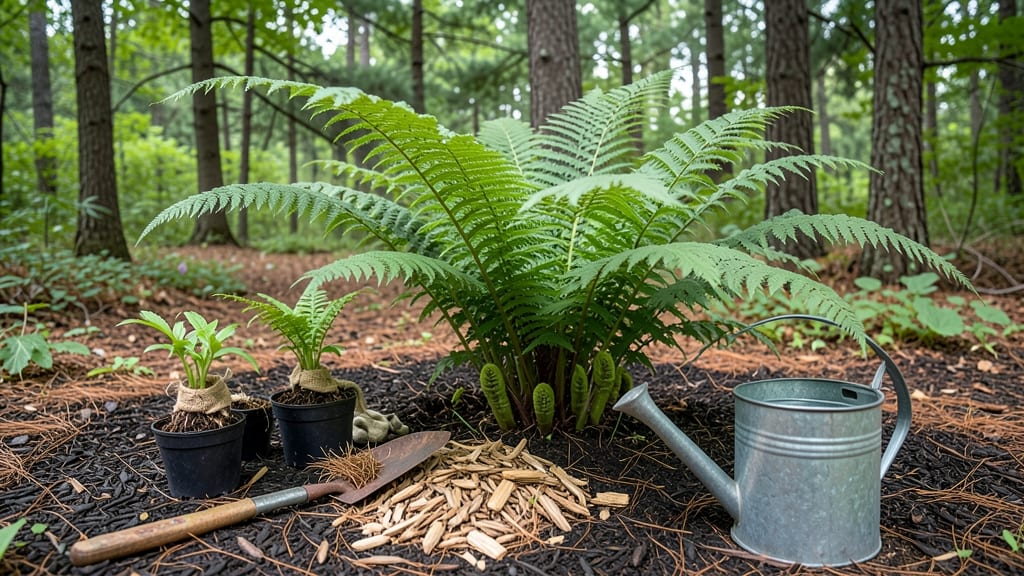
Knowing when to plant ferns in Michigan can mean the difference between a lush, thriving garden and a struggle with inconsistent growth. Michigan’s 5a-6b climate brings unique challenges, like unpredictable frost dates and shifting soil temperatures, but with the right timing, your ferns can flourish year after year.
Most gardeners in Michigan plant ferns in spring (April-May), when the soil warms enough to support root growth but before summer’s intense heat. However, early fall (September) is another smart option, giving ferns time to establish before winter sets in.
The key is avoiding late spring plantings when summer drought can stress young ferns.
Whether you’re adding delicate Maidenhair ferns to a shady corner or hardy Ostrich ferns to a woodland garden, timing matters. I’ll break down the best months for your specific zone, plus pro tips to extend your planting window—so you can enjoy that verdant paradise sooner than you think.
Ready to transform your garden? Let’s dive into the exact planting schedule, soil prep, and care routines that’ll keep your ferns lush from season to season—no guesswork required.
Best months to plant ferns in Michigan by climate zone
Michigan’s USDA hardiness zones 5a-6b mean ferns thrive best when planted after the last frost—typically mid-April in southern regions and late April to early May in northern areas.
However, early fall planting in September also works, giving roots time to establish before winter. Timing depends on your microclimate, whether urban or rural.
For spring planting, wait until soil temperatures reach 50°F (10°C)—a critical threshold for root growth. In Michigan’s Upper Peninsula, this may delay planting until early June. Meanwhile, southern Michigan gardeners can start as early as March under cold frames or row covers for a head start.
Fall planting offers a second chance for Michigan gardeners. Aim for 6-8 weeks before first frost (usually mid-September in most regions). This allows ferns to establish roots before winter dormancy. Northern Michigan may need to plant by early September to avoid frost damage.
Here’s how to align your planting with Michigan’s climate zones and frost patterns for success:
| Zone | Spring Planting Window | Fall Planting Window | Soil Temp for Planting | Key Tip |
|---|---|---|---|---|
| 5a (Northern MI) | Late May - Early June | Early September | 50°F (10°C) | Use row covers for early starts |
| 5b (Central MI) | Mid-April - Mid-May | Mid-September | 50°F (10°C) | Mulch heavily after planting |
| 6a (Southern MI) | March - Early April (under cover) | Late September | 50°F (10°C) | Plant near evergreens for wind protection |
| 6b (Southeast MI) | February (greenhouse) - April | October | 50°F (10°C) | Test soil moisture weekly |
Urban gardeners in Detroit or Grand Rapids may face heat islands that delay frost, extending your planting window. Check local Michigan State University Extension frost maps for precise dates. Container gardening also allows earlier starts—just move pots indoors if frost threatens.
If you miss the spring window, don’t panic! Fall-planted ferns often outperform spring ones because they establish roots before winter stress. Just ensure well-draining soil to prevent rot during Michigan’s wet autumns. Ostrich ferns and Christmas ferns are top choices for fall planting due to their cold hardiness.
Pro tip: Divide established ferns in early spring (March-April) to refresh growth. This mimics natural propagation and gives you free plants for expanding your Michigan garden’s shady corners. Just avoid dividing after July, as new roots won’t establish before frost.
For container-grown ferns, Michigan’s shorter growing season means you’ll need to overwinter pots in protected spots (like unheated garages) if you’re not planting outdoors. Use insulated planters or wrap containers in bubble wrap to prevent freeze-thaw cycles from cracking pots.
Remember: Michigan’s humidity and acidic soils (common in northern regions) are perfect for ferns. Amend clay soils with peat moss or compost to improve drainage. Evergreen ferns like the Holly fern add winter interest, while deciduous varieties like the Lady fern offer seasonal color shifts.
🌿
Best months to plant ferns in Michigan by climate zone
Michigan’s USDA zones 5a-6b mean frost dates vary dramatically—from early April in southern Michigan to late May in the Upper Peninsula. For optimal fern growth, aim to plant when soil temperatures reach 50°F (10°C), typically April-May in most regions.
This timing gives ferns a 6-8 week head start before summer heat arrives, reducing transplant shock.
Northern Michigan gardeners (zones 5a-5b) should wait until late May to avoid late frosts, while southern zones (6a-6b) can plant as early as mid-April. Early fall (September) is a second planting window for hardier varieties like Ostrich ferns, allowing roots to establish before winter dormancy.
🌱 Pro Tip: Use a soil thermometer to confirm 50°F+ soil temps before planting—cool soil slows root development.
🌿 Michigan Fern Planting Schedule
| Zone | Best Planting Month | Soil Temp | Frost Risk |
|---|---|---|---|
| 5a (UP) | Late May | 50°F+ | High until June |
| 5b (North) | Early May | 50°F+ | Moderate |
| 6a (Central) | Mid-April | 50°F+ | Low |
| 6b (South) | Late March | 50°F+ | Minimal |
| All Zones | September | 60°F+ | None |
Fall planting (September) works best for hardy ferns like Christmas ferns or Alumroot, which tolerate Michigan’s first frost (mid-October). For delicate varieties (e.g., Maidenhair ferns), stick to spring planting to avoid winter dieback.
🌿 Key Insight: Southern Michigan’s longer frost-free season (160+ days) allows for two planting windows, while northern zones should focus on spring-only planting.
Always test your soil’s moisture retention before planting—ferns hate soggy soil. Amend clay-heavy Michigan soils with peat moss or compost to improve drainage while retaining moisture.