
Plants
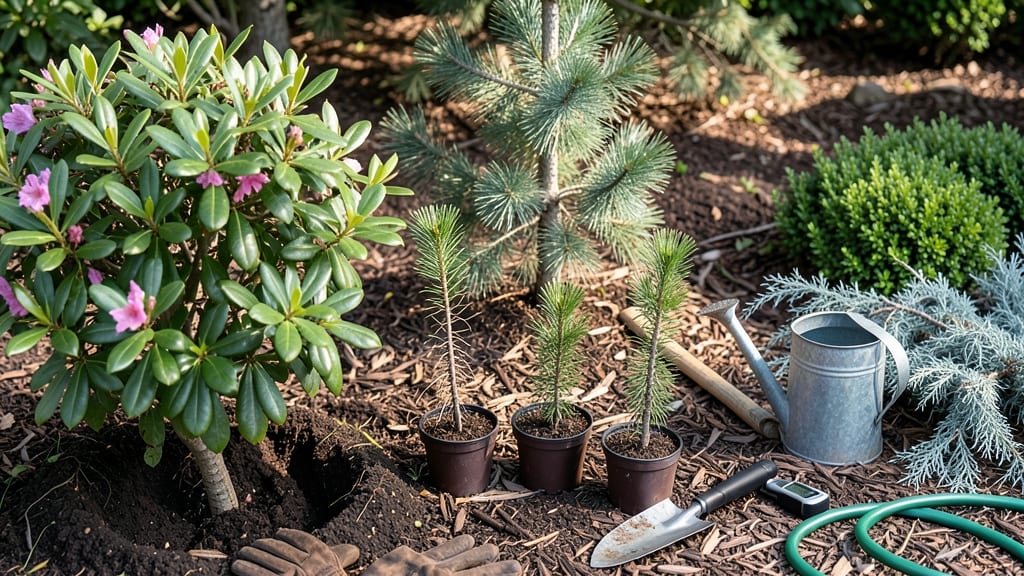
Knowing when to plant evergreens in Zone 6 isn’t just about avoiding frost—it’s about giving your 🌲 a fighting chance to establish strong roots before winter hits.
Whether you’re adding a towering pine or a compact boxwood, timing makes all the difference in how well they survive their first cold season.
In Zone 6, where last frosts linger into mid-April and first frosts arrive by mid-October, your window is narrow but critical. Planting too early risks stunted growth, while waiting too long can leave roots vulnerable before winter sets in.
The key? Focus on soil temperatures and seasonal cues to maximize success.
I’ll break down the best months—early spring and early fall—and why they work, plus how to adjust for containerized vs. bare-root plants. By the end, you’ll know exactly when to dig in for evergreens that thrive year-round.
Don’t guess—plant with confidence. The right timing could mean the difference between a struggling sapling and a lush, long-lived centerpiece for your landscape.

Ideal planting window for evergreens in Zone 6: months and soil temperature guidelines
In Zone 6, evergreens thrive when planted during their active growth window—typically early spring to early fall. This timing ensures roots establish before winter dormancy. The key is avoiding frost-sensitive periods while allowing soil to warm enough for root development.
For most evergreens, the best planting months are March through May (after last frost) and September through early October. These windows balance soil warmth and moisture availability, critical for root growth. In Zone 6a, opt for earlier spring or later fall to avoid late frosts.
Soil temperature is your best indicator. Aim for 50°F or warmer at 6 inches deep. Use a soil thermometer to check—cold soil slows root establishment. Most evergreens tolerate cooler soil than flowering plants, but bare-root varieties need warmer conditions.
Here’s how to align planting with Zone 6’s frost dates:
| Season | Ideal Planting Months | Soil Temp Requirement | Notes |
|---|---|---|---|
| Spring | March–May | 50°F+ at 6" | Best for bare-root evergreens; avoid late frosts. |
| Fall | September–early October | 45°F+ at 6" | Ideal for containerized plants; roots establish before dormancy. |
| Late Fall | November | 40°F+ at 6" | Risky; only for hardy species (e.g., juniper, pine). |
Evergreens like arborvitae and spruce prefer spring planting because their roots grow aggressively when soil warms. Rhododendrons and boxwoods, however, tolerate fall planting better due to their slower growth rate. Always check the USDA Zone 6b frost dates for your specific region—some areas may have earlier last frosts.
For bare-root evergreens, plant as soon as soil is workable in early spring. Containerized plants can handle late spring or early fall planting, as their roots are less sensitive to temperature shifts. Water deeply after planting to reduce transplant shock and encourage root spread.
In Zone 6a (colder sub-zone), delay spring planting until after May 15 to avoid late frosts. In Zone 6b (warmer), you can plant as early as March 15 in most areas. Always monitor weather forecasts for unexpected cold snaps.
Mulch heavily (3–4 inches) after planting to insulate roots and retain moisture. Use organic mulch like pine straw or shredded bark, keeping it 2–3 inches away from the trunk to prevent rot. This is especially critical in fall-planted evergreens facing winter.
If you miss the ideal window, late fall planting (November) is possible only for hardy evergreens like juniper or pine. For most species, delay until spring—roots won’t establish enough to survive Zone 6 winters if planted too late.
Pro tip: Soak roots in water for 1–2 hours before planting to hydrate them. This boosts survival rates by up to 30% in Zone 6’s variable climate. Pair this with a balanced fertilizer (10-10-10) at planting to jumpstart growth.
Ideal planting window for evergreens in Zone 6: months and soil temperature guidelines
In Zone 6, evergreens thrive when planted during the active growing season, giving roots time to establish before winter. The ideal window spans from late spring to early fall, aligning with soil temperatures above 50°F (10°C).
This timing ensures strong root development before the first frost, typically around mid-October in most of Zone 6.
Early spring planting (March-April) allows evergreens to acclimate before summer heat, while fall planting (September-October) gives roots time to establish before dormancy. Bare-root plants prefer early spring, while containerized evergreens can handle late-summer or early-fall planting with proper care.
Always check your local last frost date—Zone 6a (colder) may need earlier planting than 6b (warmer).
| Season | Best Months | Soil Temp | Root Establishment |
|---|---|---|---|
| Early Spring | March-April | 50-60°F (10-15°C) | 6-8 weeks before summer |
| Late Summer | August | 60-70°F (15-21°C) | 4-6 weeks before frost |
| Early Fall | September-October | 50-60°F (10-15°C) | 8-10 weeks before winter |
Avoid planting evergreens in late fall or winter, as frozen soil prevents root growth. Containerized plants can handle late-summer planting (August) better than bare-root varieties, which need moist soil to prevent root desiccation. For Zone 6a (colder microclimates), prioritize early spring or early fall planting to maximize root development.
Test soil moisture before planting—evergreens hate soggy roots. Amend heavy clay with compost or sand to improve drainage, especially for rhododendrons and azaleas, which are prone to root rot. Mulch with 3-4 inches of pine bark after planting to retain moisture and regulate soil temperature.
For fast-growing evergreens like arborvitae or leyland cypress, early spring planting yields the best results, while slow-adapting species (e.g., pine or spruce) benefit from fall planting to reduce transplant shock. Always water deeply after planting to eliminate air pockets in the root zone.
Remember: Zone 6’s frost-free season averages 165 days, so plan accordingly. If planting in late summer, monitor weather forecasts and protect young plants with burlap wraps if frost threatens prematurely.