
How To
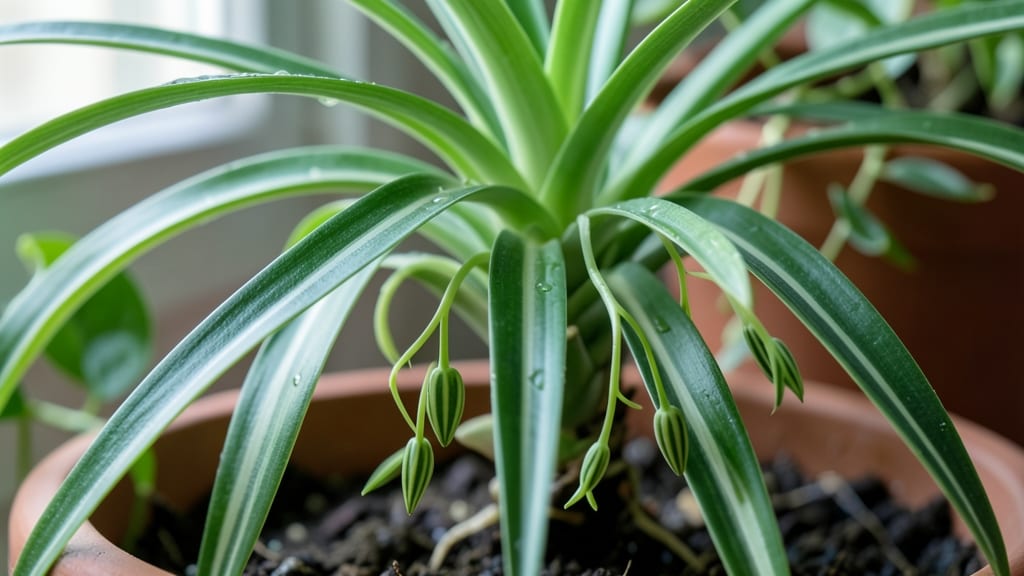
Figuring out spider plant how much water is the difference between a thriving 🕷️ Spider Plant with vibrant stripes and one with crispy brown edges or sad, drooping leaves. This hardy houseplant might seem low-maintenance, but watering it correctly is the key to keeping it happy year-round.
Most beginners struggle with the balance—watering too much leads to root rot, while too little causes stress and stunted growth. The good news? With a simple schedule and a few visual cues, you can master the perfect watering routine in no time.
I’ll walk you through exactly when to water, how much to give, and what to watch for so your plant stays lush and healthy.
Whether you’re dealing with a small pot or a larger container, seasonal changes, or varying humidity levels, this guide covers all the bases. You’ll learn the 3-finger method to test soil moisture, spot early signs of over- or under-watering, and adjust your routine like a pro.
Let’s get your Spider Plant the care it deserves!
No more guessing—just a straightforward approach to watering that works for every environment. By the end, you’ll know exactly when to reach for that watering can and how to keep your plant thriving for years to come. Ready to dive in?

Spider plant watering schedule: when, how much, and what to watch for
Your spider plant thrives on a balanced watering routine—too much or too little water stresses it, leading to those dreaded brown tips or droopy leaves. The key is understanding its water needs based on your home’s humidity, pot size, and seasonal changes.
Unlike drought-tolerant succulents, spider plants prefer consistent moisture but hate soggy roots.
In spring and fall, when growth is active but not extreme, water your plant once a week. This gives the soil time to dry out slightly between waterings while keeping the roots hydrated.
Think of it like a damp sponge—never bone-dry, never dripping wet. Adjust this schedule based on your thermostat settings; warmer rooms dry soil faster.
Summer is the most demanding season for spider plants. With higher temperatures and lower humidity, you’ll need to water every 5–7 days. Check the soil more frequently—if it feels dry just 1 inch below the surface, it’s time to water. Avoid letting the plant sit in saucers of water, as this can lead to root rot and yellowing leaves. Empty saucers after watering to prevent waterlogging.
During winter, when growth slows dramatically, reduce watering to every 2–3 weeks. The cooler air and lower light levels mean your spider plant uses less water. Overwatering in winter is a common mistake that causes more damage than underwatering.
If you notice the leaves wrinkling slightly, that’s a sign it’s thirsty—but never let the soil stay bone-dry for more than 3 weeks.
Pot size plays a huge role in watering frequency. A small 6-inch pot dries out faster than a large 12-inch container.
For example, a spider plant in a small pot might need watering every 5 days in summer, while the same plant in a larger pot could go 7–10 days between waterings. Always use a pot with drainage holes to prevent water from pooling at the roots.
Watch for visual cues that your spider plant is thirsty or overwatered. Brown tips often signal underwatering or chlorine buildup from tap water (let tap water sit out for 24 hours before using).
Meanwhile, yellow leaves or mushy stems mean you’re overdoing it. The best way to avoid these issues? Always water thoroughly until water drains from the pot’s holes, then empty the saucer afterward.
Humidity levels also affect watering needs. If your home is dry (common in winter with heating), your spider plant will dry out faster and may need daily misting or a pebble tray to boost moisture.
In humid climates, you can stretch watering intervals slightly, as the air retains more moisture around the leaves. Place your plant near a humidifier or group it with other houseplants to create a microclimate.
One pro tip: Use room-temperature water—cold water can shock the roots and stress the plant. Fill a watering can and let it sit for a few hours before using.
Additionally, fertilizer can increase your plant’s thirst, so if you’re feeding your spider plant in spring and summer, monitor its water needs closely. A lightly fertilized plant (every 4–6 weeks) will drink more efficiently than one overfed with nutrients.
Finally, rotate your spider plant quarter-turns every 2 weeks to ensure even growth. Uneven water distribution can occur if one side of the plant gets more light or air circulation. This simple habit helps maintain balanced moisture absorption and prevents leaf scorch from uneven drying.
With this schedule, your spider plant will reward you with vibrant stripes and pups all year round! 🌱
Spider plant watering schedule: when, how much, and what to watch for
Your spider plant thrives on a consistent watering routine, but getting it right means avoiding both dry, crispy leaves and mushy roots. Unlike drought-tolerant succulents, spider plants prefer moist (not soggy) soil.
The key is checking soil moisture before watering—never on a strict schedule, as factors like pot size, humidity, and season change needs dramatically.
Start by understanding your plant’s environmental cues. A 6-inch pot in a humid bathroom may need water every 7–10 days, while a 10-inch container in a dry living room could require watering every 5–7 days.
Always use room-temperature water to avoid shocking the roots, and ensure your pot has drainage holes—this prevents root rot, the #1 killer of spider plants.
| Season | Frequency | Soil Check | Signs of Overwatering |
|---|---|---|---|
| Spring | Every 7–10 days | Top 1–2 inches dry | Yellow leaves, mushy stems |
| Summer | Every 5–7 days | Top 1 inch dry | Brown leaf tips, slow growth |
| Fall | Every 10–14 days | Top 2 inches dry | Wilting, dry soil cracks |
| Winter | Every 2–3 weeks | Top 3 inches dry | Brown patches, leaf drop |
Watch for visual stress signals—your spider plant’s leaves speak volumes. Brown tips often mean fluoride in tap water or low humidity, while yellowing leaves signal overwatering. If your plant’s leaves start drooping but the soil feels dry, it may be thirsty or suffering from underwatering stress.
In summer, increase watering frequency but reduce amounts—shallow, frequent watering mimics natural rain better than deep soaks.
Pro tip: Place your spider plant’s pot on a saucer with pebbles to create a self-watering tray. Fill the tray with water and let the plant absorb moisture through the drainage holes—this mimics natural humidity levels and reduces root rot risk.
Adjust your schedule based on leaf plumpness: firm, turgid leaves mean hold off on watering; soft or wrinkled leaves mean it’s time to hydrate.
For baby spider plants (the little "pups" that grow on long stems), reduce watering slightly—they’re still drawing nutrients from the mother plant. Once you propagate them into their own pots, resume the standard schedule. Remember, morning watering is ideal—it allows excess water to evaporate by evening, preventing fungal growth.
If you’re unsure whether to water, stick your finger 1–2 inches into the soil. If it feels dry, water thoroughly until it drains from the bottom. If it’s still damp, wait another 3–5 days.
Over time, you’ll develop an instinct for your spider plant’s needs—just keep those drainage holes clear and avoid letting it sit in standing water.