
Vegetables
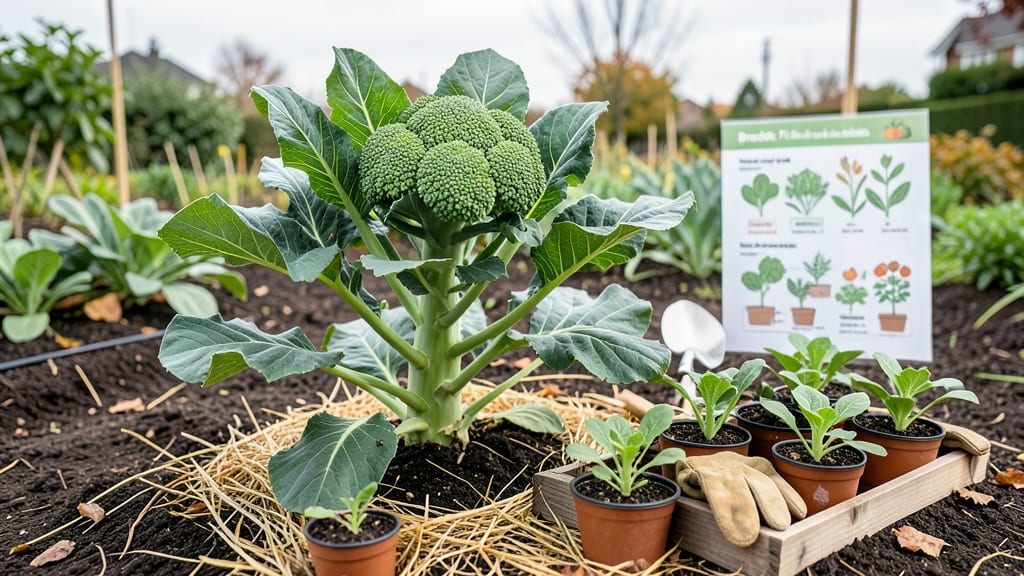
If you're a Zone 5 gardener dreaming of a bountiful fall harvest, timing your Fall Vegetables (General) 🥬 planting is the key to success. Plant too early, and your crops will bolt before frost; too late, and they won't mature before winter sets in.
The perfect window is just 4-6 weeks before your first frost, typically late July to early August.
This isn't just about avoiding frost—it's about giving your plants enough time to establish roots and grow strong before temperatures drop. With the right schedule, you can enjoy fresh kale, carrots, and spinach straight from your garden well into November.
I'll show you exactly when to plant each variety for maximum yield.
You don't need a green thumb to make this work—just a clear understanding of your local frost dates and soil conditions. Whether you're a beginner or a seasoned gardener, these insights will help you extend your growing season without the guesswork.
Let's get your fall garden off to the right start.
The beauty of fall planting is that you're working with nature, not against it. By following these proven strategies, you'll be harvesting hearty vegetables just as winter approaches. Ready to transform your garden into a late-season powerhouse? Let's dive into the perfect planting schedule for Zone 5.

Zone 5 fall planting calendar for frost-tolerant vegetables by last harvest date
Fall planting in Zone 5 is all about working with your first frost date—typically around October 1—while ensuring your vegetables mature before winter sets in.
The key is planting 4-6 weeks before frost for most cold-hardy crops, but some varieties like kale and spinach can handle even lighter frosts. Let’s break down the exact timeline for your fall garden, organized by harvest goals.
For Zone 5 gardeners, the window to plant fall vegetables opens in late July and closes by early September. This schedule accounts for soil temperature drops (ideal range: 40–50°F) and daylight shortening.
Miss this window, and you risk stunted growth or frost damage. But get it right, and you’ll enjoy fresh leafy greens and root vegetables well into December.
🌱
📅 Zone 5 Fall Planting Summary Table
| Vegetable | Planting Window | Soil Temp (°F) | Spacing (inches) | Days to Harvest | Notes |
|---|---|---|---|---|---|
| Broccoli | Late July–early Aug | 45–55°F | 18–24" | 50–70 days | Plant 'Waltham 29' for cold tolerance |
| Kale | Mid-Aug–early Sept | 40–50°F | 12–18" | 45–60 days | Sweetens after frost; 'Winterbor' is hardy |
| Carrots | Late July–mid-Aug | 50–60°F | 2–3" apart | 60–80 days | Use 'Danvers' for crisp texture in cold |
| Spinach | Mid-Aug–late Aug | 40–50°F | 4–6" | 30–50 days | 'Bloomsdale Long Standing' bolts slower |
| Brussels Sprouts | Late July–early Aug | 50–60°F | 18–24" | 90–100 days | Needs 2–3 months of cool weather |
| Lettuce | Late Aug–early Sept | 45–55°F | 8–12" | 30–50 days | 'Winter Density' resists bolting |
Notice how Brussels sprouts and carrots need the earliest start—these long-season crops require 90+ days to mature, so they must go in by late July. Meanwhile, spinach and lettuce can wait until August because they’re faster growers. This staggered approach ensures a continuous harvest from September through November.
Pro tip: Use a soil thermometer
How to extend your fall vegetable season without risking frost damage
Fall’s shorter days and dropping temperatures don’t mean your harvest has to end—cold-hardy vegetables like kale, spinach, and carrots can thrive well into winter with the right protection. In Zone 5, where first frosts hit October 1, extending your season means shielding plants from 28–32°F temperatures.
The key is layered protection: combine soil insulation, row covers, and cold frames to buy time until Christmas or beyond.
Start with soil insulation—straw mulch or black plastic raised beds keep roots warm. For leafy greens like spinach, add floating row covers 2–3 weeks before frost.
For Brussels sprouts or cabbage, a DIY cold frame (wooden box with a clear lid) can push harvests 4–6 weeks later. Timing matters: apply covers before light frosts hit, but remove them during the day to prevent overheating.
For root crops like carrots or beets, focus on soil warmth—plant them 6–8 weeks before frost (late July) so they mature before cold sets in.
If frosts arrive early, harvest and store roots in sand-filled crates in a cool garage. Leafy greens like spinach sweeten after frost, but protect them with lightweight row covers to prevent freeze damage. Pro tip: Water deeply before covers go on—moist soil insulates better than dry.
Don’t forget companion planting: Pair kale with radishes (radishes deter pests) or Brussels sprouts with bush beans (beans fix nitrogen). Avoid overcrowding—spaced plants grow stronger and recover faster from cold snaps.
If your garden’s first frost arrives early, prioritize fast-maturing varieties like ‘Early Wonder’ broccoli (ready in 50 days) or ‘Winter Density’ spinach (tolerates 20°F).
Test your setup with a small batch of lettuce or arugula—these are frost-tolerant and perfect for trial runs. If your cold frame works, expand to Brussels sprouts or cabbage for a holiday harvest.
Remember: Less is more—overprotecting can cause heat stress or fungus. Aim for balanced protection and watch your fall garden thrive well past Halloween! 🍂