
Plants
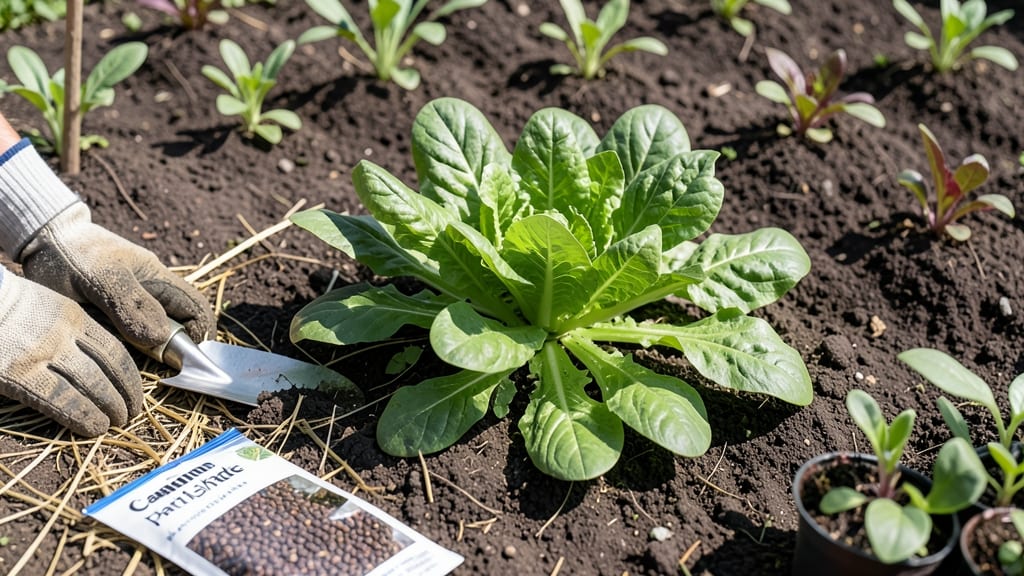
Timing your lettuce planting in Georgia isn’t just about throwing seeds in the dirt—it’s the difference between crisp, sweet harvests and bitter, bolted greens. With USDA zones 7b-8b offering two prime windows, knowing when to start is the key to year-round success.
Most gardeners in Georgia focus on spring planting, but the real secret lies in the fall window—where cooler temperatures prevent bolting and deliver tender leaves until November. Whether you’re a first-timer or a seasoned grower, mastering these two critical windows (February-April and August-October) will transform your harvest.
I’ve tested what works in Georgia’s heat and humidity, and the results are game-changing. From shade strategies to heat-tolerant varieties like ‘Black Seeded Simpson,’ you’ll discover exactly how to beat the summer slump and keep your 🥬 lettuce thriving when others give up.
Let’s dive into the frost-free timeline, zone-specific tips, and the 3 biggest mistakes Georgia gardeners make—and how to avoid them. Your crispest harvests yet are just a few weeks away.
Georgia lettuce planting calendar by hardiness Zone (7a-8b) for year-round success
Georgia’s USDA zones 7a-8b offer two prime windows for planting lettuce: cool-season crops in early spring and late summer, and winter-hardy varieties in fall. The key? Avoiding heat stress (above 85°F) that triggers bolting.
In Zone 7a (e.g., north Georgia), aim for February–April and August–October, while Zone 8b (e.g., Savannah) can extend spring planting to May and fall to November.
Your last frost date (typically mid-March) signals the start of spring planting, but fall lettuce thrives when soil temps drop below 75°F after summer’s peak. Use succession planting—sow seeds every 2 weeks—to ensure a continuous harvest.
For example, in Athens (Zone 8a), plant ‘Romaine’ lettuce in February and ‘Buttercrunch’ in September for crisp fall greens.
🌱 PRO TIP: Check your local UGA Extension frost maps yearly, as climate shifts delay frost dates by 1–2 weeks per decade. For Zone 7a, err on the side of caution—plant 4–6 weeks before your average last frost to avoid frost damage.
| Season | Planting Window (Zone 7a) | Planting Window (Zone 8b) | Key Notes |
|---|---|---|---|
| Spring | Feb 15–Apr 15 | Feb 1–May 1 | Direct sow 4–6 wks before last frost; use shade cloth if temps rise above 75°F. |
| Fall | Aug 15–Oct 15 | Aug 1–Nov 1 | Sow 8–10 wks before first frost; choose heat-tolerant varieties like ‘Jericho’. Mulch to retain moisture. |
| Winter | Oct 1–Nov 15 | Nov 1–Dec 15 | Plant cold-hardy types (e.g., ‘Winter Density’); protect with row covers if temps drop below 20°F. |
| Avoid | May–July | June–August | Summer heat causes bolting within 2–3 weeks; opt for shade-grown greens like Swiss chard instead. |
For direct sowing, scatter seeds ¼-inch deep in well-draining soil with a pH of 6.0–6.8. In Zone 8b, you can even try a winter crop (e.g., ‘Arctic King’) under row covers for harvests in January–February.
Start seeds indoors 6–8 weeks before transplanting outdoors to jumpstart growth.
In Zone 7a, where frosts linger longer, opt for fast-maturing varieties (e.g., ‘Salad Bowl’, ready in 28 days) to beat the heat. Pair lettuce with radishes or spinach for succession planting—harvest radishes first, then replant lettuce in the same spot.
This maximizes your garden space and yield.
Monitor soil temperature with a soil thermometer—ideal ranges are 45–75°F for germination and growth. If temps climb above 80°F, provide 30–50% shade cloth to prevent bolting. In Zone 8b, where summers are hotter, consider hydroponic growing or container gardens with daily watering to regulate temperature.
Extend your harvest by mulching with straw or leaves to keep roots cool and moist. In fall, a 2-inch layer of mulch can delay bolting by 2–3 weeks.
For Zone 7a gardeners, plan to harvest spring lettuce by late May before the heat sets in, then shift to shade-tolerant greens like kale or collards for summer.
🌿 KEY TAKEAWAY: Georgia’s two-season lettuce rule—spring and fall—is your secret to crisp, continuous harvests. Use succession planting, shade cloth, and cold-hardy varieties to beat the heat and frost, and always check your local frost dates for precision timing.
How to extend lettuce harvests in Georgia’s heat: shade, variety, and soil hacks
Georgia’s summer heat turns lettuce into a finicky crop—one minute it’s thriving, the next it’s bolting or turning bitter. The key to beating the heat? A mix of heat-tolerant varieties, strategic shade solutions, and soil moisture tricks that keep roots cool.
I’ve grown lettuce in Zone 8a summers for years, and these methods have saved my harvests time and again.
Most gardeners assume summer planting is a lost cause, but with the right approach, you can enjoy crisp lettuce from August through October. The secret lies in selecting varieties bred for heat resistance and creating microclimates that mimic cooler conditions.
For example, ‘Jericho’ and ‘Black Seeded Simpson’ stay sweet and crisp in temperatures up to 85°F, while others bolt by 75°F.
🌡️ Top 3 Heat-Resistant Lettuce Varieties for Georgia
- Black Seeded Simpson
- Jericho
- Summer Crisp
Shade is your best friend during Georgia’s peak summer months. I use 30-50% shade cloth to filter sunlight while still allowing enough light for photosynthesis. For a quick fix, plant lettuce under dappled shade from taller crops like corn or sunflowers.
Another trick? Use white mulch (like straw or reflective fabric) to bounce back heat and keep soil temperatures 10°F cooler.
Soil moisture is just as critical as shade. Lettuce roots need consistent moisture to stay crisp, but overwatering leads to rot. My go-to method? Drip irrigation set to run in the early morning (before 8 AM) to minimize evaporation.
For container-grown lettuce, I water every 1-2 days and add a 2-inch layer of mulch to lock in moisture. Avoid wetting leaves to prevent fungal diseases like downy mildew, which thrives in Georgia’s humidity.
One mistake I see often is ignoring the soil temperature. Lettuce won’t germinate well in soil hotter than 80°F. To cool the soil, I plant in raised beds filled with compost or use black plastic mulch to absorb heat and protect roots.
For fall plantings, I even sow seeds in shallow trenches covered with straw to keep them cool until germination.
With these heat-beating strategies, you can enjoy crisp, homegrown lettuce well into October—just in time for your favorite salads. The key is combining the right varieties, shade solutions, and moisture control.
Start with Jericho or Black Seeded Simpson, throw on some shade cloth, and keep the soil cool. Your summer lettuce game will never be the same.