
Vegetables
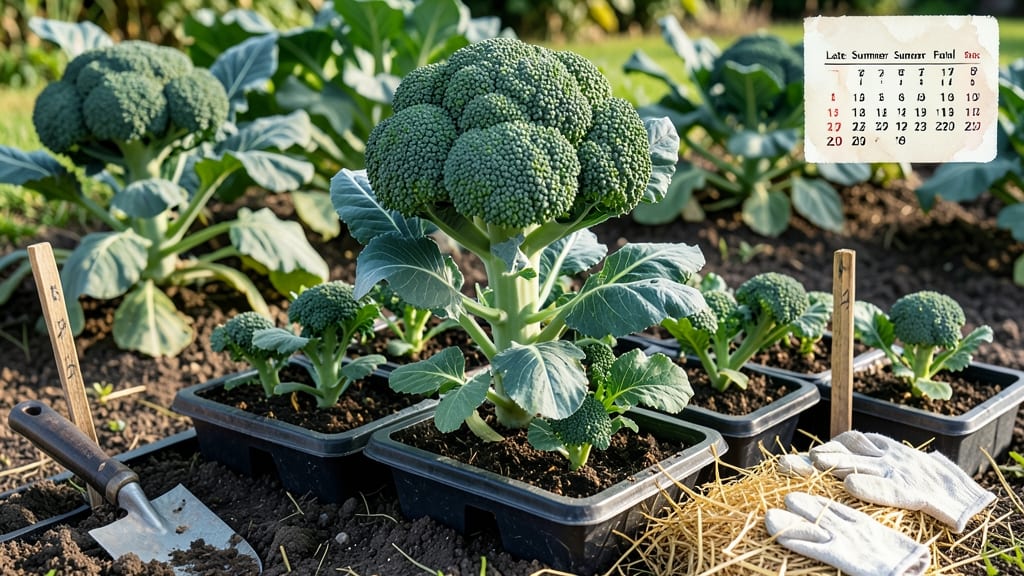
Knowing when to plant fall vegetables in Ohio is the difference between a thriving garden and wasted seeds.
Ohio’s 6a climate means timing is everything—plant too early, and your greens bolt in the heat; too late, and frost ruins your harvest before you even taste those crisp carrots or tender kale.
Most Ohio gardeners wait until late August to early September, giving crops 4-6 weeks to mature before the first frost around October 20. But here’s the catch: Southern Ohio’s milder microclimate buys you an extra week or two, while northern areas demand earlier starts.
I’ll break down the exact windows for your region so you can avoid common mistakes that leave gardens empty by November.
Whether you’re growing leafy greens like spinach or heartier veggies like broccoli, the right schedule ensures a steady harvest through December. Let’s dive into how to align your planting with Ohio’s three distinct zones—so you’re not guessing, but growing with confidence.
From soil prep to frost-proofing tricks, I’ll share the game-changer strategies I’ve tested to extend your garden’s season. Ready to turn your Ohio fall into a harvest bonanza? Let’s get started.
Ohio fall planting deadlines by microclimate: southern vs. central vs. northern regions
Ohio’s three distinct microclimates mean your fall planting deadlines should vary by region. Southern Ohio (USDA Zone 6b) enjoys 10-14 extra frost-free days compared to northern Ohio (Zone 5a), giving you a longer window for heat-loving crops like bush beans or Swiss chard.
Central Ohio (Zone 6a) falls in between, offering a balanced timeline for most cool-season vegetables.
For all regions, aim to plant 4-6 weeks before your average first frost date. In 2024, Ohio’s first frost typically arrives between October 15-25, but urban areas (like Columbus) may experience frost 1-2 weeks earlier than rural zones. Use these deadlines as your guide:
| Region | USDA Zone | Last Planting Date (2024) | Frost-Sensitive Crops | Cold-Hardy Crops |
|---|---|---|---|---|
| Southern Ohio | 6b | September 15-20 | Lettuce, Spinach, Radishes | Kale, Carrots, Broccoli |
| Central Ohio | 6a | September 1-10 | Bush Beans, Swiss Chard | Brussels Sprouts, Beets |
| Northern Ohio | 5a | August 20-30 | Peas, Turnips | Cabbage, Potatoes |
If you’re in southern Ohio, you can push the envelope with late-summer crops like cucumbers or summer squash until mid-August. These heat-lovers thrive in the remaining warmth but bolt quickly when temperatures dip below 70°F at night.
For central Ohio, focus on transplanting seedlings (like broccoli or cabbage) by mid-August to give them time to establish roots before cooler weather sets in.
Northern Ohio gardeners should prioritize fast-maturing varieties of cool-season crops, such as radishes (25 days) or spinach (30 days), to beat the early frost. Start seeds indoors in late July for a head start, then transplant outdoors by August 15.
This strategy ensures you harvest before the first hard freeze, which can damage even the most cold-hardy vegetables.
Pro tip: Check your local Cooperative Extension office for hyper-local frost data. Some years, Ohio’s fall weather can shift 1-2 weeks earlier or later due to La Niña or El Niño patterns.
For example, in 2020, Columbus saw frost on October 5, while Toledo waited until October 28. Adjust your planting dates accordingly to avoid wasted seeds or stunted harvests.
For succession planting, sow every 2 weeks until your last planting deadline. This method ensures a continuous harvest of leafy greens like kale or spinach, which become sweeter after a light frost. Pair fast growers (radishes, lettuce) with slower maturers (carrots, Brussels sprouts) to maximize your garden’s productivity.
One common mistake is planting too late and hoping for a miracle. If you miss the 6-week window before frost, even cold-hardy crops like carrots or beets may develop a woody texture or bitter taste. Always prioritize timing over quantity—a small, well-timed harvest beats a large, poor-quality one.
Use a garden journal to track your planting dates and note which varieties thrive in your microclimate. Over time, you’ll refine your schedule to match Ohio’s unpredictable fall weather patterns, ensuring year-after-year success with your favorite vegetables.
How to extend Ohio’s fall growing season: 5 proven techniques to delay frost damage
Ohio’s first frost typically arrives between October 15-30, depending on your region—but you can push harvests 2-4 weeks later with the right strategies. For example, my spinach and kale stayed productive until mid-November last year using low tunnels, while my neighbor’s plants bolted by Halloween.
The key is matching techniques to your crop’s maturity timeline and local frost dates.
Start by calculating your last possible planting date based on your crop’s days to harvest. For instance, bush beans (50-60 days) need to be in the ground by early August in northern Ohio, while radishes (25-30 days) can go in until mid-September.
Use Ohio State University’s frost date map to refine your schedule—southern Ohio has 10-14 extra frost-free days compared to the north.
🌱 5 Techniques to Extend Ohio’s Fall Growing Season
- 1. Low Tunnels: Cover crops with hoop houses made from PVC pipes and floating row covers. Extends season by 3-4 weeks for leafy greens and 2-3 weeks for brassicas. Install by mid-September for best results.
- 2. Row Covers: Lightweight frost blankets add 4-8°F of protection. Use for lettuce, spinach, and carrots planted in late August. Remove during daytime to prevent overheating.
- 3. Succession Planting: Sow fast-maturing crops like radishes (25 days) or turnips (30 days) every 2 weeks until early September. Staggered harvests ensure continuous production.
- 4. Soil Warming: Black plastic mulch raises soil temps by 5-10°F, ideal for warm-season holdovers like peppers or tomatoes planted in July. Remove mulch 4-6 weeks before frost to avoid overheating roots.
- 5. Cold Frames: Mini greenhouses for hardy greens like kale or Swiss chard. Can delay harvest until December in southern Ohio. Ensure ventilation to prevent condensation burns.
Timing is critical—apply row covers or low tunnels before a light frost (28-32°F) but after your crop has established roots. For example, if your spinach takes 30 days to mature, install covers by September 15 in central Ohio to catch the October 20 average frost date.
Monitor weather forecasts and remove covers during daytime warmth to avoid fungal diseases like downy mildew.
For warm-season crops like tomatoes or peppers, prioritize soil warming and succession planting. My cherry tomatoes thrived when planted in early July with black plastic mulch, yielding until October 10—a full 3 weeks beyond the typical harvest window.
Pair this with dwarf varieties (e.g., ‘Tiny Tim’ tomatoes) to maximize space in containers or small gardens.
Don’t overlook microclimates—a south-facing wall or urban heat island can add 5-10°F of warmth. Last year, my basil survived until November 1 near my brick house, while the same variety 10 feet away in open ground died by October 15.
Use these natural heat sinks to plant heat-loving crops like eggplant or okra 2-3 weeks later than recommended.
Pro tip: Combine techniques for maximum protection. For example, plant kale in early August, cover with row fabric by September 1, and add a low tunnel by October 1. This layered approach can extend harvests until Christmas in southern Ohio. Just