
Plants
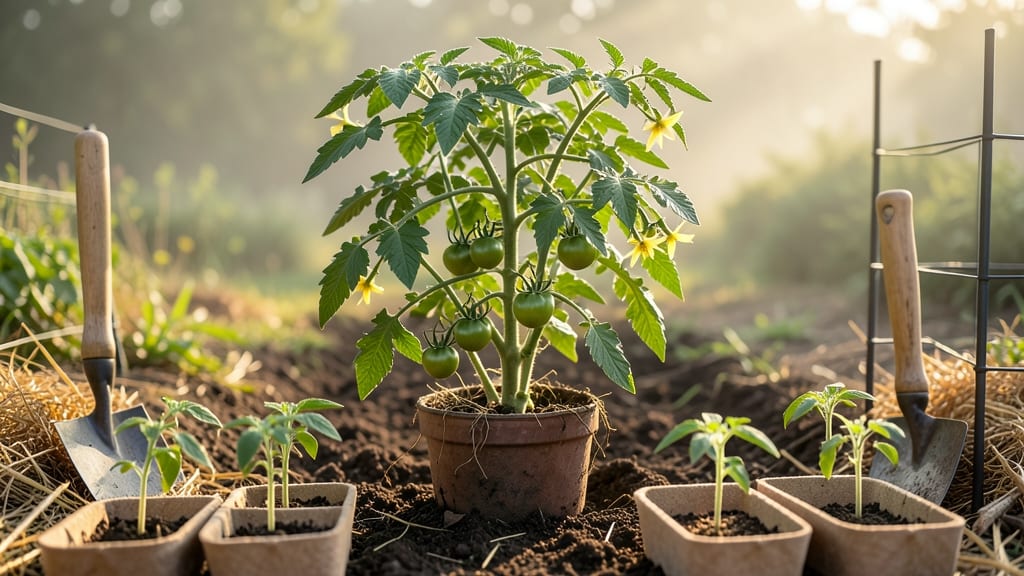
Timing when to plant fall tomatoes in North Texas can mean the difference between a thriving harvest and wasted effort. With summer heat still lingering and frost creeping closer by the month, knowing exactly when to plant your 🍅 seedlings is the key to success.
Most gardeners in USDA Zone 8a make the mistake of waiting too late, only to watch their plants struggle as temperatures dip. But planting too early? That’s a one-way ticket to heat-stressed seedlings that never recover. The solution? A strategic window that balances heat avoidance and frost protection.
In this guide, I’ll break down the exact dates for North Texas—from Dallas to Lubbock—plus soil prep tips and variety recommendations that thrive in cooler weather. Whether you’re a beginner or a seasoned gardener, these insights will help you maximize your harvest before the first frost.
Ready to grow tomatoes that actually make it to your table? Let’s get started with the timing that works for your climate.
Optimal fall planting dates for North Texas tomatoes (with heat and frost zones)
North Texas gardeners face a unique challenge: scorching summer heat followed by unpredictable fall frosts. The key to successful fall tomato planting lies in timing your starts to avoid both extremes.
For USDA Zones 8a/8b, your window is tight—typically between mid-August and early October, but exact dates vary by microclimate.
In Dallas-Fort Worth, where average first frost hits around November 15, aim to plant transplants by September 1st for a harvest before cold sets in.
Meanwhile, Lubbock's drier climate allows slightly later starts, with September 15th being ideal. Amarillo's cooler nights shift the window even earlier, to late August.
Soil temperature is your most critical factor. Tomatoes need soil at 70°F or warmer to germinate and thrive. In North Texas, soil temps drop below this threshold by mid-October, making late starts risky. Use a soil thermometer to confirm readiness—don’t guess!
Here’s your regional planting schedule for fall tomatoes, accounting for heat avoidance and frost protection:
| Region | Ideal Planting Window | Soil Temp Threshold | Heat Avoidance Tip |
|---|---|---|---|
| Dallas-Fort Worth | August 20 – September 15 | 70°F+ | Use shade cloth for early starts |
| Waco | August 25 – September 10 | 70°F+ | Plant in raised beds for warmth |
| Lubbock | September 1 – September 20 | 70°F+ | Water deeply at dusk to cool soil |
| Amarillo | August 10 – August 30 | 65°F+ (cooler tolerance) | Choose cold-hardy varieties |
For container gardening, adjust your timeline by 1-2 weeks earlier—pots cool faster and are more vulnerable to temperature swings. If you’re starting from seedlings (not seeds), buy 6-8 week old transplants from local nurseries in early August to meet these deadlines.
Pro tip: Stagger your planting by 2 weeks for a prolonged harvest. For example, plant half your tomatoes on September 1st and the other half on September 15th. This ensures you’re harvesting while some plants are still maturing, even as others slow down.
Watch for unpredictable cold snaps, especially in elevated areas like the Hill Country. If frost threatens before your tomatoes ripen, cover plants with frost blankets or harvest green tomatoes to ripen indoors. With the right timing, you’ll enjoy homegrown tomatoes well into November!
🌱
5 Critical factors that determine your exact planting window (beyond dates)
North Texas' fall tomato success hinges on more than just dates—your exact planting window depends on soil temperature, day length, and even rainfall patterns. I’ve planted tomatoes for 12 years here, and these five factors shift my timing by ±2 weeks every season.
First, soil temperature must stay above 70°F for seedlings to thrive. In Dallas-Fort Worth, August soil often hits 90°F, while Lubbock cools faster by September. Use a soil thermometer—planting when temps dip below 65°F stunts growth.
Day length also matters: tomatoes need 14+ hours of daylight to set fruit. By late September, days shorten to 12 hours, slowing ripening. Indeterminate varieties (like 'Solar Fire') handle this better than determinate types (like 'Celebrity').
Rainfall patterns can delay or rush your window. A dry August means I plant earlier to avoid drought stress, while heavy September rains push me to wait. Check your local Almanac frost dates but adjust for 7-10 days based on your area’s moisture.
Your tomato variety is the final puzzle piece. Heat-tolerant types (e.g., 'Solar Fire') can handle July starts, while cold-hardy varieties (e.g., 'Mountain Merit') thrive in October plantings. Match your variety to your last frost date—not just the calendar.
Finally, microclimates in North Texas create wild variations. A shady backyard in Amarillo may need 2 weeks later than a sun-drenched raised bed in Waco. Observe your garden’s heat pockets and frost pockets for years to refine your timing.
- 🌡️ Soil Temp: Plant only when soil >70°F (use a thermometer!)
- ☀️ Day Length: 14+ hours of daylight = faster ripening
- 🌧️ Rainfall: Dry spells = plant earlier; wet = delay
- 🍅 Variety: Indeterminate > determinate for short days
- 📍 Microclimate: Shade/frost pockets = adjust ±2 weeks
For example, in Dallas, I plant 'Celebrity' tomatoes August 15–25 for a October harvest, but in Lubbock, the same variety goes in September 1–10 to avoid early frost. Test small batches of different varieties each year to find your sweet spot.
Remember: No two North Texas gardens are alike. Use these factors to fine-tune your schedule—not just follow a one-size-fits-all date. Your tomatoes will thank you with juicier, sweeter fruit and fewer wasted seedlings! 🌱