
Plants
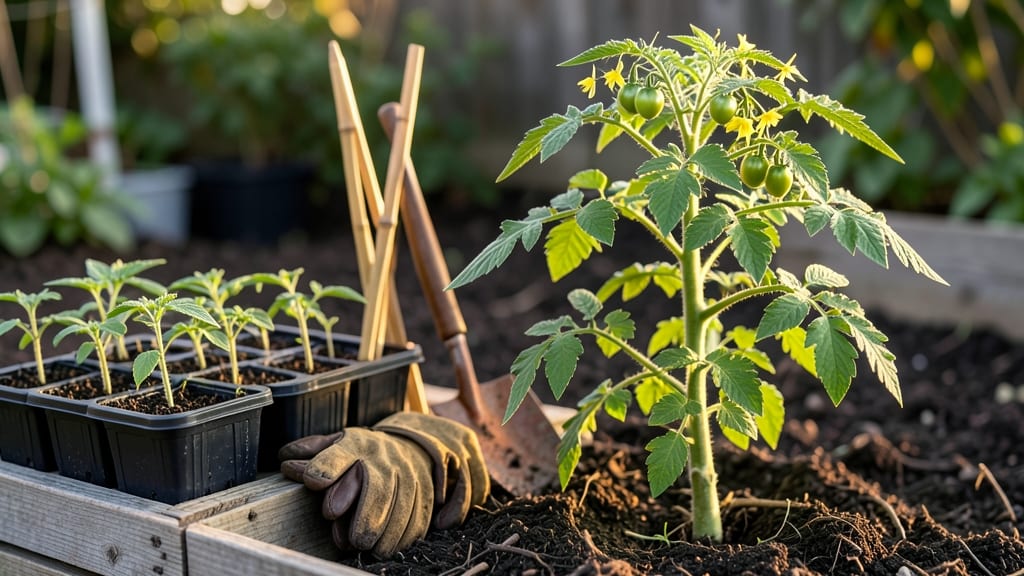
If you've ever planted the best time to plant tomatoes in North Carolina too early and watched frost nip your seedlings, you know timing is the key to a thriving tomato harvest.
The difference between a bountiful summer of juicy tomatoes and a disappointing few fruits often comes down to when you put those seedlings in the ground.
For gardeners in zones 7a-8b, the best time to plant tomatoes isn't just after the last frost—it's when soil temperatures hit 60°F and nighttime temps stay above 50°F.
That typically means mid-April to early June, but coastal areas might need to wait until late May to avoid humidity-related diseases.
I'll break down the exact planting windows for your specific zone, plus pro tips for choosing varieties that thrive in NC's heat and humidity. Whether you're a first-time gardener or a seasoned grower, these insights will help you avoid common mistakes and extend your harvest well into October.
Ready to grow bigger, healthier tomatoes? Let's dive into the perfect planting schedule for your region—and how to give your plants the best possible start for a season-long bounty.
North Carolina planting zones: exact weeks to start tomatoes for maximum yield
North Carolina's diverse climate means your tomato planting schedule should match your specific USDA zone—whether you're in the cooler Mountains (5a-6b) or warmer Coastal Plain (8a-8b).
The difference between these zones can mean 4-6 weeks in planting timing, so knowing your exact zone is critical for avoiding frost damage and maximizing harvests.
For most of North Carolina, the ideal transplant window falls between mid-April and early June, but this shifts earlier in southern zones and later in the mountains. The key threshold? Soil temperatures above 60°F and nighttime temps consistently above 50°F.
In cooler zones, you might need to use row covers or cold frames to extend your season.
Here's how to match your zone to the perfect planting week for heirloom and hybrid varieties, including soil prep tips tailored to each region:
🌱 North Carolina Tomato Planting Schedule by Zone
| Zone | Last Frost Date | Transplant Window | Soil Temp Threshold | Best Varieties |
|---|---|---|---|---|
| 5a-6b (Mountains) | Mid-May | Late May to early June | 65°F+ | 'Mountain Merit', 'Stupice' |
| 7a-7b (Piedmont) | Early April | Mid-April to late May | 60°F+ | 'Celebrity', 'Better Boy' |
| 8a-8b (Coastal) | Early March | Late March to early May | 55°F+ | 'Sun Gold', 'Solar Fire' |
💡 Pro Tip: Coastal areas can plant 4-6 weeks earlier than mountain regions—use this to your advantage for extended harvests!
If you're starting seeds indoors, begin 6-8 weeks before your last frost date. For zone 7b (common in Raleigh), that means mid-February to early March. Use grow lights to prevent leggy seedlings, and harden off plants for 7-10 days before transplanting.
For container growing, adjust your schedule by 1-2 weeks earlier since pots warm up faster. Choose determinate varieties like 'Patio' or 'Tiny Tim' for smaller spaces—they mature faster and fit 5-gallon pots perfectly.
One common mistake is relying on calendar dates instead of soil temperature. Use a soil thermometer to confirm readiness—tomatoes thrive when roots hit 60°F+ soil. In zone 8a, you can even plant early varieties like 'Early Girl' as soon as February 15th under row covers.
Remember: Succession planting every 2 weeks after your initial transplant date ensures a continuous harvest. In zone 7a, this means 3 planting batches by early June for a summer-long supply.
For heirloom varieties, which need more time to mature (80+ days), plant no later than early May in zone 7b to avoid fall frosts. Hybrids like 'Big Beef' (70 days) give you more flexibility for late-May plantings.
🌱 Whether you're in the cool mountains or warm coast, matching your tomato schedule to these zone-specific windows ensures bigger yields and healthier plants all season long.
How to adjust your planting schedule for early vs. late varieties
North Carolina’s varied climate lets you stretch your tomato harvest from early summer to crisp fall—if you time your plantings right. Early varieties (like ‘Early Girl’ or ‘Stupice’) mature in 50-60 days and should hit the soil 4-6 weeks before your last frost.
For most of NC, that means mid-March to early April in warmer zones (8a-8b) and late April in cooler areas (7a-7b).
Late varieties (such as ‘Brandywine’ or ‘Cherokee Purple’) take 80+ days to ripen, so they need a mid-to-late May start. This ensures they’re established before summer heat peaks and have time to fruit before frost. Succession planting—adding new plants every 2-3 weeks—keeps your harvest rolling.
🌱
For extended harvests, use row covers to plant early varieties 2-3 weeks sooner than your zone’s last frost date. Remove covers when flowers appear to prevent overheating. In Zone 7a, this could mean starting ‘Early Girl’ in early March under protection.
Pro tip: Keep a planting journal to track which varieties thrive in your microclimate. My Zone 7b garden in the Piedmont yields the most ‘Sungold’ when planted late April, while coastal Zone 8a gardeners often get better results with early March starts.
🌿