
Plants
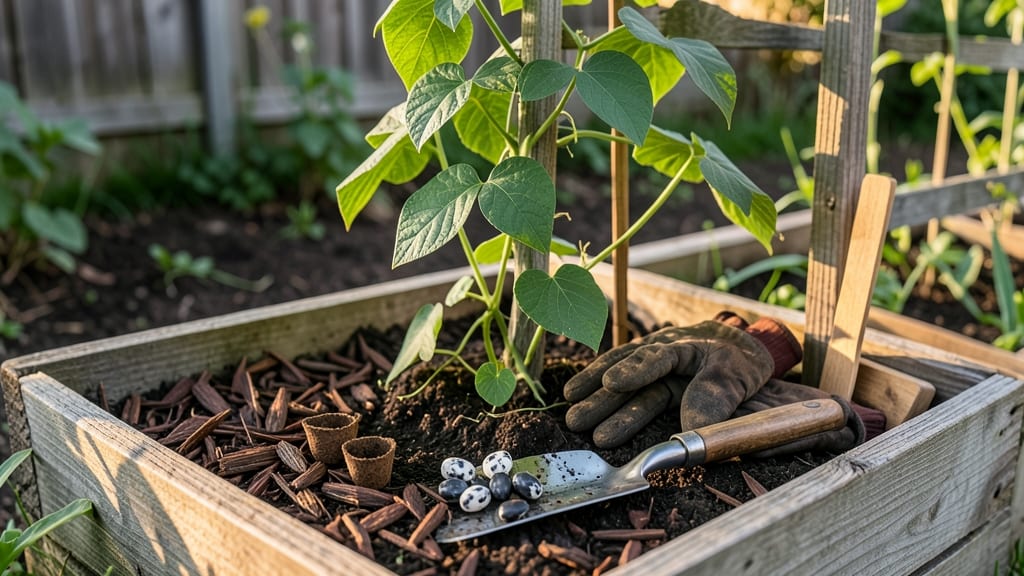
Timing your 🌱 bean planting in Virginia isn’t just about the calendar—it’s about dodging frost, heat waves, and the dreaded legume blight that turns your garden into a sad, wilted memory.
With USDA zones 6a-7b bringing everything from early April frosts to sweltering July afternoons, one wrong move could mean stunted plants or zero harvests.
Let’s cut through the guesswork: whether you’re in Richmond’s humid Piedmont or the cooler Appalachian foothills, the sweet spot for planting beans runs from mid-April to early June—but that’s just the start.
We’ll break down how to read your local frost dates, pick the right varieties (bush vs. pole), and even salvage a late planting if Mother Nature throws you a curveball.
You’ll also discover the hidden tricks Virginia gardeners swear by—like staggered sowing for nonstop harvests or using row covers to cheat the system when spring lingers. No more second-guessing whether your beans will bolt in the heat or rot in the rain.
Ready to turn your garden into a bean bonanza? Grab your gloves, and let’s get those seeds in the ground at the perfect moment—because in Virginia, timing isn’t just important. It’s everything.
Virginia’s bean planting zones: frost dates by region (2024 guide)
Timing your bean planting in Virginia hinges on understanding your USDA hardiness zones, which range from 6a to 7b. These zones dictate your last frost dates, which vary dramatically across the state—from mid-April in Richmond to early May in Roanoke.
Even within cities, microclimates like urban heat islands or sheltered valleys can shift your planting window by 1-2 weeks. Knowing these details ensures your beans thrive, not just survive.
Beans are warm-season crops that despise frost, so planting too early can stunt growth or kill seedlings outright. The soil temperature threshold for beans is 60°F or warmer, and waiting until after your last frost date (plus 2 weeks) gives your plants the best start.
In Virginia, this typically means aiming for April 15 to June 1, depending on your region. But don’t just rely on averages—check local Almanac frost forecasts or use a soil thermometer for precision.
🌱 Key Takeaway: Plant beans after your last frost and when soil hits 60°F, but adjust for your microclimate. Urban areas may warm up faster, while mountain regions stay cooler longer.
| Region | USDA Zone | Avg. Last Frost | Ideal Planting Window | Notes |
|---|---|---|---|---|
| Coastal Plain (Norfolk) | 7b-8a | March 20-April 5 | April 1 - May 15 | Warmer microclimates; watch for humidity. |
| Piedmont (Richmond) | 7a-7b | April 1-15 | April 15 - May 30 | Moderate climate; urban areas heat up faster. |
| Valley (Roanoke) | 6b-7a | April 10-25 | May 1 - June 1 | Cooler nights; extend season with row covers. |
| Mountains (Blacksburg) | 6a-6b | May 1-15 | May 15 - June 15 | Short growing season; choose early-maturing varieties. |
If you’re unsure about your exact last frost date, use the 50°F soil temperature rule as a backup. Stick a soil thermometer 2 inches deep—when it consistently reads 60°F or warmer for at least a week, it’s safe to plant.
This method works even if frost dates shift due to climate variability. For extra safety, consider using row covers to protect early plantings from unexpected late frosts, especially in USDA Zone 6a areas like the mountains.
For a continuous harvest, stagger your plantings every 2 weeks from April through June. This ensures you’re always picking fresh pods instead of facing a glut of beans all at once.
For example, plant one batch in late April, another in mid-May, and a final batch in early June. This strategy maximizes your growing season and reduces waste.
Don’t forget that pole beans (like ‘Kentucky Wonder’) need more time to mature than bush beans (like ‘Blue Lake’). Pole beans can handle slightly later plantings, while bush beans are better suited for earlier sowing.
Adjust your timing based on the variety you choose—more on that in the next section!
🌿 Pro Tip: Mark your calendar for September 1 as the cutoff for new bean plantings. After this date, days shorten and temperatures drop, making it risky to start a new crop. Instead, focus on harvesting existing plants or saving seeds for next year.
Best bean varieties for Virginia’s climate and when to sow them
Choosing the right bean varieties for Virginia’s climate ensures a bountiful harvest.
The Old Dominion’s diverse microclimates—from the Coastal Plain’s humidity to the Mountains’ cooler nights—demand smart variety selection. Bush beans like ‘Blue Lake’ thrive in heat, while pole beans such as ‘Kentucky Wonder’ stretch toward the sun, maximizing space in smaller gardens.
For early spring plantings (March-April), opt for cold-tolerant varieties like ‘Contender’ or ‘Provider’. These can handle soil temps as low as 50°F with row covers. Summer plantings (May-June) should focus on heat-resistant types like ‘Roma’ or ‘Black Valentine’, which endure Virginia’s 90°F+ afternoons without bolting.
🌱
Bush Beans vs. Pole Beans
Bush Beans
- ✅ Compact growth (1-3 ft tall)
- ✅ Faster maturity (50-60 days)
- ✅ No trellis needed (ideal for small spaces)
- ❌ Limited harvest window (all pods ripen at once)
Pole Beans
- ✅ Extended harvest (pods mature over weeks)
- ✅ Higher yields per plant (trellis supports climbing)
- ✅ Space-efficient (vertical growth saves garden real estate)
- ❌ Requires trellis (6-8 ft tall)
Staggered planting is key to avoiding glut harvests. Sow bush beans every 2 weeks from April to June, while pole beans can handle a single late-May planting for a summer-long supply.
In northern Virginia (USDA 6a), use row covers to extend the season by 2-3 weeks—just remove them when flowers appear to prevent overheating.
For fall plantings, try short-season varieties like ‘Tendercrop’ (45 days). Start seeds indoors in late July and transplant after Labor Day, using black plastic mulch to warm the soil. This trick adds 30-40 extra frost-free days in Virginia’s shorter growing season.
🌿
Heat stress is the #1 enemy of Virginia beans. If temps hit 95°F+, provide afternoon shade cloth (30-50% shade) to protect plants. Mulch with straw to keep roots cool and water deeply at soil level (not overhead) to prevent fungal diseases like rust. With the right variety and timing, you’ll enjoy sweet, crisp pods from June through September—or even into October with fall plantings!