
Planting
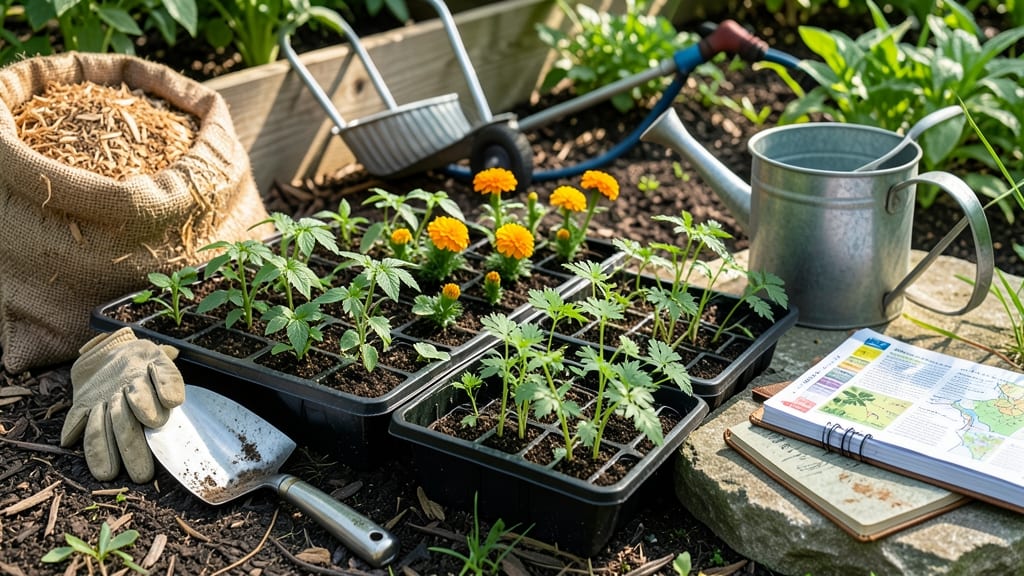
Knowing when to plant a garden in Indiana can make all the difference between a thriving harvest and a disappointing one.
The perfect planting window in Indiana depends on your USDA zone—whether you're in chilly 5b or slightly warmer 6b—and knowing when to plant avoids frost damage while maximizing harvests.
Most Hoosiers know the general rule: start seeds indoors in March for cool-season crops like peas and spinach, then transplant after the last frost—usually around mid-April. But here’s the catch: Indiana’s weather plays tricks, with late frosts sneaking in as late as May in some areas.
That’s why I’ve broken down the exact frost-free timeline you need to plant with confidence.
From early spring greens to late-summer tomatoes, this guide covers month-by-month planting windows tailored to Indiana’s climate. Whether you’re a first-time gardener or a seasoned green thumb, you’ll learn how to stretch your growing season, avoid common mistakes, and even push your harvests later into fall.
Ready to turn your backyard into a thriving garden? Let’s dive into the ideal planting schedule that’ll have your 🌱 flourishing all season long—no guesswork required.
Indiana’s frost-free dates by growing Zone: planting windows for cool-season vs. warm-season crops
Indiana spans USDA Hardiness Zones 5b through 6b, meaning frost dates can vary by 10–14 days from north to south. Knowing your last average frost date (typically April 15–May 1) and first frost date (usually October 15–20) is critical for timing your garden.
Northern Indiana (Zone 5b) has shorter growing seasons, while southern Indiana (Zone 6b) enjoys an extra 2–3 weeks of warmth.
For cool-season crops like spinach, peas, and lettuce, you can start seeds 4–6 weeks before your last frost. These hardy plants thrive in 50–60°F soil and can even survive light frosts.
Meanwhile, warm-season crops like tomatoes, peppers, and cucumbers need soil temperatures above 60°F and should wait until 2 weeks after your last frost to plant.
Here’s how Indiana’s zones break down for planting:
| Zone | Last Frost Date | First Frost Date | Cool-Season Planting Window | Warm-Season Planting Window |
|---|---|---|---|---|
| 5b (Northern IN) | April 25–May 5 | October 10–20 | March 15–April 15 | May 15–June 1 |
| 6a (Central IN) | April 15–25 | October 15–25 | March 1–April 15 | May 1–May 15 |
| 6b (Southern IN) | April 5–15 | October 20–30 | February 28–April 1 | April 20–May 1 |
*Dates are averages—always monitor local forecasts for adjustments.
If you’re planting transplants (like tomato or pepper starts), wait until soil temperatures consistently stay above 60°F. Use a soil thermometer to check—cool soil can stunt growth.
For direct-sown seeds (e.g., beans, carrots), follow the cool-season window but avoid planting too early, as false springs (warm spells followed by frost) can kill seedlings.
For fall planting, aim to sow cool-season crops 8–10 weeks before your first frost. This gives them time to mature before winter sets in. Southern Indiana gardeners can push this to October 1–15, while northern gardeners should finish by September 15.
Pro tip: Use row covers or cold frames to extend your season by 2–4 weeks in spring or fall. These tools protect tender plants from late frosts and early chills, giving you a longer harvest window.
Remember, Indiana’s weather is unpredictable. Always have a backup plan, like succession planting or fast-growing varieties, to ensure your garden thrives no matter what Mother Nature throws your way.
Start with these zone-specific dates, and you’ll be well on your way to a bountiful Indiana garden! 🌱
How to adjust planting dates for Indiana’s unpredictable weather: extending the growing season with tips
Indiana’s weather can be as fickle as a spring breeze, with sudden frost returns that catch even seasoned gardeners off guard. The key to success? Flexible planting strategies that let you adapt to Mother Nature’s whims.
Whether you’re dealing with a late frost in May or an early chill in September, these season-extending tips will help you squeeze every possible growing day out of your Indiana garden.
First, always have a backup plan for your planting dates. While the average last frost date for most of Indiana falls between April 15 and May 1, northern zones (like Zone 5b) can see frost as late as May 15.
Use row covers or cold frames to protect tender seedlings if you plant early. These simple tools can add 2–4 weeks to your growing season by trapping heat and shielding plants from frost.
🌱 Pro Tips for Adjusting Planting Dates
- Start seeds indoors 4–6 weeks before the last frost date for warm-season crops like tomatoes and peppers.
- Use frost cloth to protect seedlings during late spring frosts (common in Zone 5b).
- Plant cool-season crops like spinach and kale in early spring or fall for double harvests.
- Choose heat-tolerant varieties (e.g., 'Heatmaster' tomatoes) to extend summer harvests.
- Practice succession planting every 2–3 weeks for continuous yields of lettuce, radishes, and beans.
Another game-changer is succession planting, which involves staggering plantings every 2–3 weeks to ensure a steady supply of fresh produce. For example, if you plant radishes every 10 days from April through June, you’ll enjoy a harvest every 3–4 weeks instead of one overwhelming bounty.
This method also minimizes the risk of losing your entire crop to a single frost event.
For gardeners in Zone 6a (southern Indiana), where frost dates are slightly later, focus on late summer and fall plantings. Start broccoli, cabbage, and carrots in August for harvests before the first frost (typically mid-October).
Use black plastic mulch to warm the soil and jumpstart spring plantings—this can give you a 2-week head start on tomatoes and peppers.
Don’t fall for the false spring trap—those warm February days can lull you into planting too early. Wait until the soil temperature reaches 50°F for cool-season crops and 60°F for warm-season crops before planting.
A soil thermometer is your best friend here; it’s far more reliable than guessing by weather forecasts.
Finally, embrace container gardening to move heat-sensitive plants to shaded areas during heatwaves or bring them indoors if frost threatens. Containers also let you start seeds earlier in the season, giving you a competitive edge.
With these strategies, you’ll turn Indiana’s unpredictable weather into an opportunity for a longer, more productive growing season—no matter what Mother Nature throws your way. 🌿