
Plants
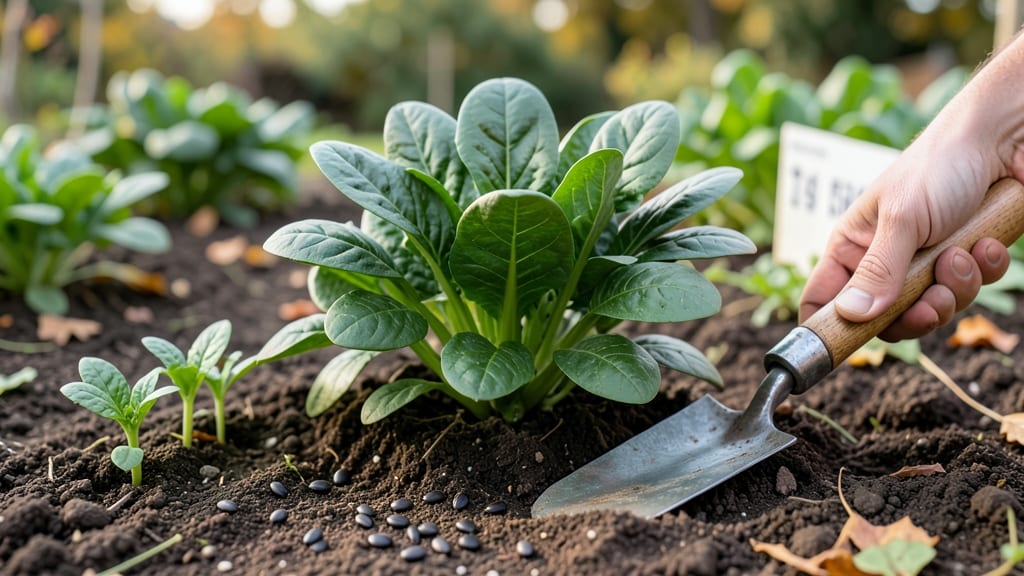
If you’ve ever watched your 🥬 spinach bolt into bitter, seed-studded stalks before you could even harvest it, you know when to plant fall spinach in zone 6 is everything.
Planting too early means sweltering heat turns your tender greens into tough, flavorless scraps, while waiting too late risks frost nipping your harvest before it even starts.
The key to success lies in that sweet spot—4 to 6 weeks before your first frost, typically between early September and mid-October in Zone 6 (6a-6b). But here’s the catch: your exact dates depend on more than just the calendar.
Local microclimates, soil temperature, and even the variety you choose can shift your ideal window by weeks.
In this guide, I’ll break down the exact planting timeline for Zone 6, share foolproof strategies to avoid bolting, and recommend the hardiest spinach varieties that thrive in fall’s cooler temps.
Whether you’re a first-time gardener or a seasoned green thumb, these tips will help you grow spinach that’s sweet, tender, and ready to harvest from late fall into winter.
Ready to transform your garden into a spinach powerhouse? Let’s get started with the precise steps to plant your fall crop—and keep it thriving until the first snowflakes fall.

Fall spinach planting dates in Zone 6: exact timeline for success
Getting your fall spinach planted at the right time in Zone 6 means the difference between a bumper crop and bitter disappointment. The ideal window starts 4-6 weeks before your first frost, which typically lands in mid-September to early October for most of Zone 6.
This timing lets your spinach mature before winter sets in, while avoiding the heat stress that triggers bolting—when plants rush to flower instead of producing tender leaves.
For example, if your first frost date is October 15th, aim to plant by September 15th. This gives your spinach 45-60 days to grow—just enough time to reach harvest size before cold snaps arrive.
Missing this window risks either stunted growth or plants that bolt too quickly in warm fall weather.
But here’s the catch: Zone 6 spans 6a and 6b, with 6a areas (like northern Indiana or upstate New York) getting frost earlier than 6b (like parts of Virginia or Missouri).
Always check your local frost dates using the USDA Plant Hardiness Zone Map or your county extension office for precision.
Microclimates also play a role. A south-facing garden warms up faster than a north-facing bed, so adjust your planting by 1-2 weeks earlier in sunny spots. Similarly, urban areas often experience heat islands that delay frost, while rural spots may freeze sooner.
Now let’s break down the exact planting timeline for Zone 6, including soil prep, spacing, and care tips to maximize your harvest.
Pro tip: If your fall weather stays unusually warm, opt for slow-bolting varieties like 'Tyee' or 'Space'. These hold up better in 75-80°F soil than standard types. Pair this with drip irrigation to keep soil moisture consistent—spinach wilts fast in dry conditions, and stress accelerates bolting.
For container gardeners, use 5-gallon pots with well-draining mix and plant 4-6 seeds per container. Place pots in partial shade during hot afternoons to prevent heat stress. Containers also let you move plants to sheltered spots if frost threatens early.
Remember: Spinach thrives in cool weather but bolts in heat. If your September temps hover above 80°F, delay planting until early October—even if it means a shorter harvest window. A smaller crop of tender leaves beats a bitter, stringy mess any day.
Finally, mark your planting dates on a garden calendar or set phone reminders. Zone 6’s fall weather shifts fast, and missing the window by even 10 days can mean the difference between a bountiful harvest and wasted seeds. 🌱
Fall spinach planting dates in Zone 6: exact timeline for success
In Zone 6, where summers can linger into early September and first frosts typically arrive around mid-October, timing your fall spinach planting is all about balance.
Plant too early—say, in late July or August—and your spinach will bolt from the heat, sending up bitter flower stalks before you can harvest. Wait until October, and frost will cut your crop short before it matures.
The sweet spot for Zone 6 gardeners is 4 to 6 weeks before your first frost, which usually lands between early September and mid-October. For example, if your average first frost is October 15th, aim to plant your spinach by September 1st to 15th.
This window ensures your spinach has 45 to 60 days to mature—long enough to grow tender leaves but short enough to avoid bolting from residual summer heat.
| Stage | Action | Notes |
|---|---|---|
| Soil Prep | Test soil pH (6.0-7.0) | Add compost for fertility |
| Planting Window | Early Sept - Mid-Oct | 4-6 weeks before frost |
| Spacing | 2-4 inches apart | Thin seedlings to reduce competition |
| Harvest Window | Late Oct - Dec | Before hard frost hits |
But here’s the catch: Zone 6 isn’t uniform. Microclimates—like a south-facing garden bed that stays warmer or a shady spot that cools faster—can shift your ideal planting window by 1 to 2 weeks.
To pinpoint your exact dates, check your local USDA frost map (or use a frost calendar from your state’s agricultural extension office).
For example, gardeners in western Zone 6 (like Denver) might plant as late as October 1st, while those in eastern Zone 6 (like Philadelphia) should start by September 15th to avoid early frosts.
Pro tip: Use shade cloth if planting in late summer to protect young seedlings from intense heat. Even a 30% shade cover can delay bolting by 10-14 days, giving you more flexibility with your planting schedule.
Pair this with succession planting—sowing new seeds every 2 weeks—to stretch your harvest from October through December.
Don’t overlook soil temperature either. Spinach germinates best in soils between 45°F and 85°F, but ideal growth happens at 60°F to 70°F. If your soil is still warm from summer (above 75°F), your spinach will bolt faster.
Test your soil with a soil thermometer before planting—if it’s too hot, wait a few days or use mulch to cool it down.
Once you’ve nailed your planting window, focus on consistent moisture and light feeding to keep your spinach thriving. With the right timing, you’ll enjoy sweet, tender leaves long after most gardeners have packed away their tools for the season.
Ready to try it? Grab your seeds and mark your calendar—your fall spinach is waiting!