
Plants
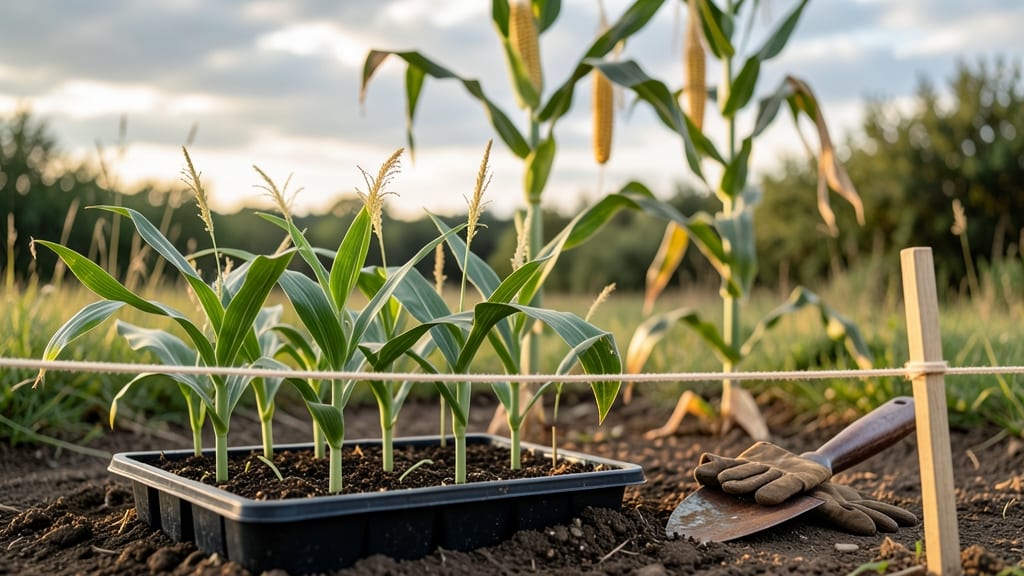
The right planting time for sweet corn in Michigan can make or break your harvest—get it wrong, and you’ll end up with stunted plants or ears that never fully develop.
Michigan’s 5b-6b climate means timing is everything, especially when soil temperatures finally hit that sweet spot of 60°F or warmer for at least two weeks. Too early, and frost will nip your seedlings in the bud; too late, and you might miss peak harvest season between July and August.
I’ll break down exactly when to plant—whether you’re in northern Michigan’s cooler zones or the warmer southern regions—plus how to adjust for late frosts or early warmth. With these tips, you’ll maximize your yield and enjoy corn so fresh, it’ll taste like summer in every bite.
Ready to turn your garden into a cornucopia? Let’s dive into the soil temperature triggers and planting windows that’ll set you up for success.
Michigan sweet corn planting dates based on soil temperature zones
Michigan’s diverse climate means sweet corn planting dates can vary dramatically between the Upper Peninsula and Lower Peninsula. While southern Michigan gardeners might plant as early as late April, northern regions often wait until mid-May to avoid frost damage.
The key? Soil temperature consistency—corn thrives when soil stays above 50°F for 2+ weeks.
Michigan’s USDA zones 5b-6b create microclimates where a single week can mean the difference between success and failure. For example, Detroit’s last frost typically hits April 15, while Marquette’s can linger until May 10.
Planting too early risks frost-killed seedlings, while waiting too long shortens the growing season.
Here’s how to align your planting with Michigan’s three key climate regions—each with its own optimal window and soil temperature triggers:
| Region | Last Frost Date | Optimal Planting Window | Soil Temp Threshold | Best Varieties |
|---|---|---|---|---|
| Southern Michigan (e.g., Detroit, Kalamazoo) | April 15–20 | Mid-April to early May | 50°F+ for 14+ days | Early-maturing: 'Ambrosia,' 'Silver Queen' |
| Central Michigan (e.g., Lansing, Grand Rapids) | May 1–5 | Late April to mid-May | 50°F+ for 10–14 days | Mid-season: 'Peaches and Cream,' 'Country Gentleman' |
| Northern Michigan/Upper Peninsula (e.g., Marquette, Traverse City) | May 10–15 | Mid-May to early June | 55°F+ for 7–10 days | Late-season: 'Golden Bantam,' 'Honey & Pearl' |
🌽 Pro Tip: Use black plastic mulch to warm soil faster in cooler regions.
For southern Michigan, aim to plant 2–3 weeks after your average last frost date. This gives seedlings time to establish roots before summer heat arrives. In contrast, northern Michigan gardeners should prioritize short-season varieties (maturing in 75–85 days) to beat frost by early October.
Michigan’s frost-free growing season averages 165 days, but this shrinks to 120–140 days in the UP. To maximize yield, I recommend block planting: stagger seeds every 2 weeks from May through June.
This ensures a continuous harvest from July to August, even if early plantings fail due to late frosts.
Don’t overlook microclimates—urban areas like Ann Arbor often warm up faster than rural farms. If your garden sits in a sunny, sheltered spot, you might plant 1 week earlier than official frost dates suggest. Conversely, low-lying or shaded areas may need a 2-week delay to avoid frost risk.
For succession planting, choose varieties with diverse maturity times. For example, pair 'Ambrosia' (72 days) with 'Country Gentleman' (90 days) to extend your harvest window. This strategy works especially well in central Michigan, where warm spells can arrive unpredictably.
One common mistake? Relying solely on calendar dates instead of soil temperature. A 50°F soil in April might feel warm, but corn needs consistent warmth to germinate. Always verify with a soil thermometer—I’ll cover this in detail in the next section.
🌱 Key Takeaway: Michigan’s three regions demand tailored planting—south early, central mid-season, and north late. Match your variety to your zone!
Michigan sweet corn planting dates based on soil temperature zones
Michigan’s diverse climate zones mean your planting window for sweet corn depends heavily on where you live. The Upper Peninsula (USDA zones 5a-5b) typically waits until late May, while the Lower Peninsula (zones 5b-6a) can start as early as mid-April.
The key trigger? Soil temperatures must stay above 50°F for 2+ weeks—this ensures seeds germinate reliably and seedlings thrive.
For most of Michigan, the last frost date falls around April 15, but I recommend waiting 2-3 weeks after this date to plant.
This buffer accounts for late frosts, which can still hit in May, especially in northern regions. Early-season varieties like ‘Silver Queen’ or ‘Ambrosia’ are ideal for cooler zones, while mid-season varieties such as ‘Peaches and Cream’ work well in warmer southern areas.
Here’s how to align your planting with Michigan’s microclimates—whether you’re in Detroit, Traverse City, or the UP. The right timing ensures your corn reaches harvest maturity (75-90 days) before the first frost in mid-October.
| Region | Optimal Planting Window | Soil Temp Requirement | Last Frost Date | Recommended Varieties |
|---|---|---|---|---|
| Northern Lower Peninsula (e.g., Traverse City) | Mid-April to Early May | 50°F+ for 2+ weeks | April 20-May 5 | ‘Ambrosia’, ‘Kandy Korn’ |
| Southern Lower Peninsula (e.g., Detroit, Ann Arbor) | Late April to Mid-May | 55°F+ for 2+ weeks | April 15-25 | ‘Peaches and Cream’, ‘Bodacious’ |
| Upper Peninsula (e.g., Marquette, Sault Ste. Marie) | Late May to Early June | 60°F+ for 2+ weeks | May 10-20 | ‘Silver Queen’, ‘Country Gentleman’ |
If you’re unsure about your local frost dates, check the Michigan State University Extension’s frost calendar or use a soil thermometer to confirm temperatures. Pro tip: Plant in blocks every 2 weeks for a continuous harvest—this works especially well in shorter-season areas like the UP.
For succession planting, aim for 3-4 plantings spaced 2 weeks apart. This ensures you’ll have fresh ears from July through August, even if your growing season is short.
Just remember: Corn needs space—plant seeds 1 inch deep and 12 inches apart in rows 30 inches apart to prevent crowding and disease.
One last tip: Avoid planting too close to early spring crops like peas or lettuce—corn is heavy feeders and will compete for nutrients. Instead, rotate it with beans or squash the following year to replenish the soil.