
Companion Plants
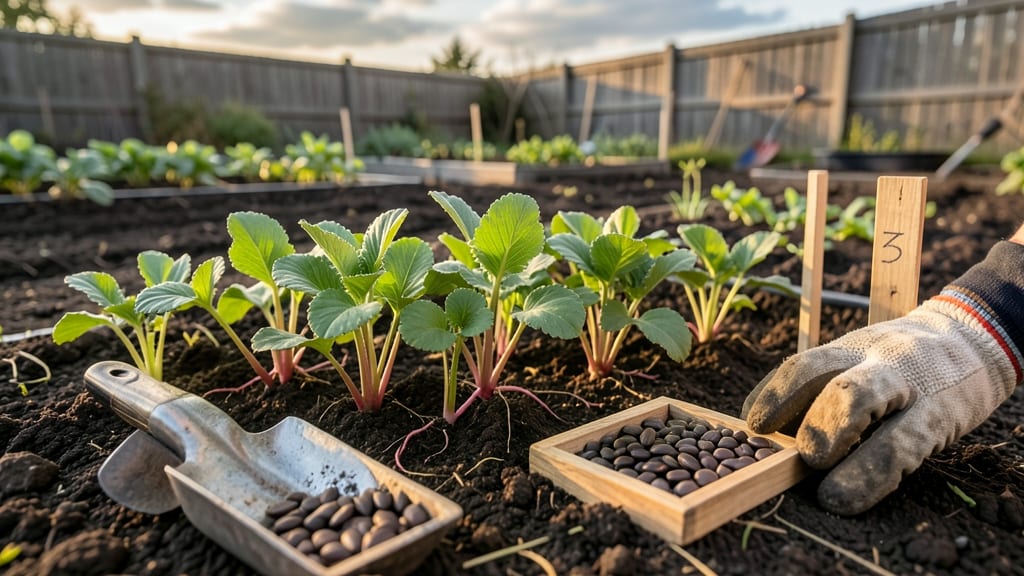
If you're eager to know when you can plant radishes in Zone 5, timing is everything—and getting it wrong can turn your fast-growing 🥕 into bitter disappointment. The secret lies in understanding your region's frost dates and soil conditions, which I'll break down for you.
Radishes thrive in cool weather, making them perfect for Zone 5's early spring and late summer planting windows. But planting too early or too late can ruin your harvest, so let's pinpoint the exact weeks to sow for the best results.
You'll discover how to stretch your harvest season with succession planting, which varieties work best in Zone 5, and why frost tolerance matters. Whether you're a beginner or a seasoned gardener, these tips will help you grow radishes that are ready to harvest in just 3-4 weeks.
Ready to enjoy homegrown radishes straight from your garden? Let's dive into the perfect planting schedule tailored just for Zone 5, so you can enjoy fresh, crisp harvests all season long.

Best planting windows for radishes in Zone 5 (with exact dates)
Radishes thrive in Zone 5’s cool spring and fall seasons, but timing is everything. Plant too early, and you’ll risk bolting from heat; too late, and frost will ruin your harvest. The key is soil temperature—radishes sprout best when soil reaches 40-50°F.
In Zone 5, your last frost date is typically mid-May, and your first frost arrives around mid-October. This gives you two prime planting windows: early spring (as soon as soil is workable) and late summer (6-8 weeks before frost).
For early spring plantings, aim for late March to early April when soil is just warm enough to encourage germination. Use row covers if nights are still chilly to protect young seedlings. Fast-maturing varieties like Cherry Belle (25 days) are ideal for this window.
In late summer, plant 6-8 weeks before your first frost (around late August) to ensure harvest before cold sets in. Choose heat-tolerant varieties like French Breakfast, which handle warmer soil better than delicate types.
Don’t overlook fall plantings! Some radishes, like Winter Bocking, tolerate light frost and can be sown as late as early October. These varieties mature slower (30–40 days) but reward you with harvests in November or even December.
Pro tip: Use a soil thermometer to check temperatures before planting. If soil is below 40°F, wait a week or two—cold soil delays germination and can lead to uneven sprouts. Warm soil (above 60°F) speeds up growth but risks bolting.
Avoid planting radishes in mid-summer (June–July) unless you’re using shade cloth or a dappled-light location. The heat causes radishes to bolt (go to seed) before developing edible roots. If you must plant in summer, opt for shade-tolerant varieties like White Icicle.
To maximize your harvest, pair radishes with companion plants like lettuce or spinach, which thrive in the same cool conditions. This interplanting strategy keeps your garden productive and reduces wasted space.
Remember: Radishes are frost-tolerant but not frost-proof. A hard freeze (28°F or below) will kill the plants, so always harvest before temperatures drop too low. If you miss the window, save seeds for next year—radishes self-seed easily!
Best planting windows for radishes in Zone 5 (with exact dates)
Zone 5 gardeners get two prime chances to grow crisp, sweet radishes: early spring and late summer. The key is timing—plant too early, and cold soil slows growth; too late, and heat makes them bolting (going to seed).
For Zone 5, aim for soil temperatures above 40°F and 6-8 weeks before your first frost (usually mid-October).
For spring radishes, start seeds as soon as soil is workable—typically late March to early April. Fast varieties like 'Cherry Belle' or 'Easter Egg' mature in just 25-30 days, giving you harvests by early summer.
Fall plantings should begin 8 weeks before frost, around mid-August, for a late-season crop.
| Planting Window | Best Varieties | Soil Temp | Harvest Time |
|---|---|---|---|
| Late March–Early April | 'Cherry Belle', 'Easter Egg' | 40°F+ | Late May–Early June |
| Mid-August–Early September | 'French Breakfast', 'White Icicle' | 50°F+ | October–November |
| Late September (for overwintering) | 'Winter Bocking' | 45°F+ | Early Spring |
Pro tip: Use row covers for early spring plantings to warm soil faster and protect young seedlings from late frosts. For fall, choose slow-maturing varieties like 'French Breakfast' to avoid bitter flavors from heat stress. Always test soil—radishes thrive in loamy, well-draining soil with a pH of 6.0–7.0.
If you’re new to Zone 5 gardening, focus on fast-maturing varieties first—they’re forgiving if timing isn’t perfect. For example, 'Cherry Belle' matures in just 25 days, giving you flexibility. Save slower varieties like 'Daikon' for experienced gardeners who can nail the 8-week window before frost.
Never plant radishes in hot summer months (June–July)—they’ll bolt quickly. Instead, use shade cloth or plant in partial shade if you must grow them mid-season. Mulch with straw to keep soil cool and moist, which prevents pithy, woody roots.
For a continuous harvest, stagger plantings every 2–3 weeks from spring to early summer. This ensures you’re always pulling fresh radishes while avoiding a glut. Just remember: thin seedlings to 2–3 inches apart to prevent competition and improve root size.