
Plants
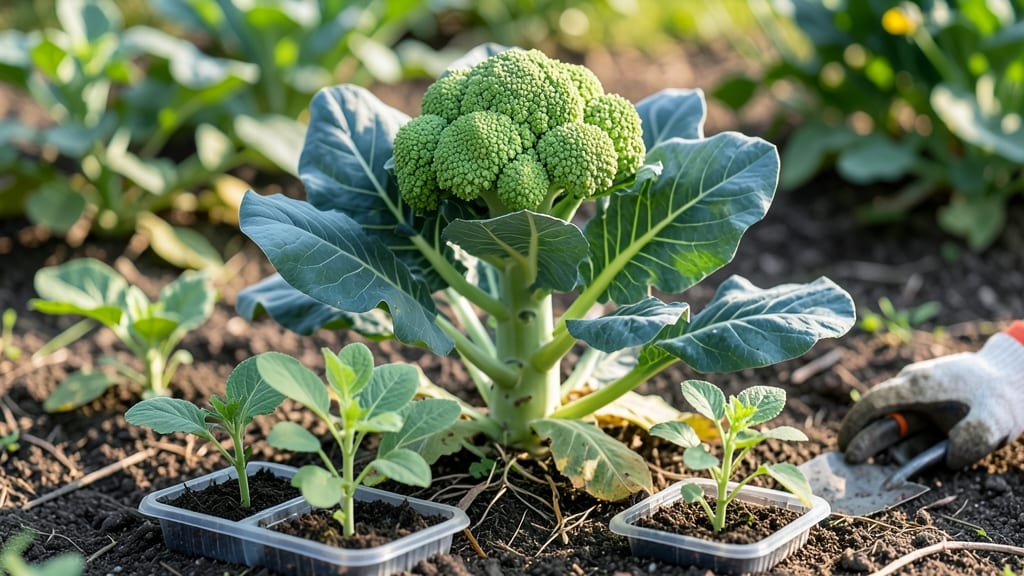
When to plant broccoli in Zone 9b is the secret to avoiding bitter, bolted plants and enjoying sweet, tender 🥦 all year. Unlike cooler climates, your desert garden thrives with strategic timing—fall and spring are your golden windows, while summer heat can turn your crop into a sad, scraggly mess.
I’ve grown broccoli in Phoenix for years, and let me tell you: planting in October-November for winter harvests or February-March for spring crops makes all the difference. The key?
Avoiding temperatures above 85°F, which sends broccoli into bolting overdrive. With the right schedule, you’ll skip the heat stress and enjoy fresh harvests from December through June.
But here’s the thing: Zone 9b’s microclimates—coastal breezes vs. inland heat—change the game. Coastal areas stay cooler longer, while inland spots need extra shade or early planting. I’ll show you exactly how to adapt, whether you’re in SoCal or Arizona’s valleys, so your broccoli stays happy and productive.
Ready to stop guessing and start growing? Let’s dive into the exact dates, soil tricks, and spacing secrets that’ll turn your broccoli dreams into reality—no more wasted seeds or sad, stunted plants.

Best planting windows for broccoli in Zone 9B (fall & spring)
Zone 9B’s warm winters and scorching summers make broccoli planting a strategic timing game. Unlike cooler climates, you’ll skip spring planting entirely and focus on fall/winter crops to avoid summer’s bolting trigger—temperatures above 80°F.
The key? Plant when daytime highs stay below 75°F and nights dip near 50°F.
For most of Zone 9B (think Phoenix, Palm Springs, or coastal San Diego), your primary planting window runs from mid-September to early November. This gives plants 60-75 days to mature before summer heat arrives.
If you’re in coastal areas with milder winters, you can extend this slightly into December.
Spring planting is a high-risk gamble in Zone 9B. While some gardeners attempt February-March sowings, the plants often bolt before forming heads. If you’re determined to try, use heat-tolerant varieties like ‘Belstar’ or ‘Waltham 29’ and provide afternoon shade.
The harvest window directly mirrors your planting time. Fall-planted broccoli typically bolts by late April, while winter crops may last until early June if you’re in cooler microclimates. Timing is everything—plant too late, and you’ll face premature flowering.
🌱
| Planting Window | Ideal Months | Daytime Temp | Nighttime Temp | Harvest Window |
|---|---|---|---|---|
| Fall Planting | Mid-Sept to Early Nov | 65°F-75°F | 50°F-60°F | Dec to Apr |
| Winter Planting | Late Nov to Dec | 60°F-70°F | 45°F-55°F | Feb to May |
| Spring Attempt | Feb to Early Mar | 70°F-78°F (with shade) | 55°F-65°F | Apr to Jun (risky) |
Microclimates play a huge role in Zone 9B. Inland desert areas like Phoenix or Yuma need to plant earlier (August-September) to beat the heat, while coastal San Diego or Santa Barbara can wait until October-November.
Always check your local last frost date—even though Zone 9B rarely sees frost, cold snaps below 30°F can damage young plants.
For container growing, start seeds 6-8 weeks before your target transplant date (e.g., late July for fall planting). Containers warm up faster, so monitor soil temps—keep them between 60°F-70°F for optimal germination. Use black plastic mulch to warm soil faster if planting early.
🌿
Pro tip: Succession plant every 2 weeks during your fall window to stagger harvests. This ensures a continuous supply of fresh broccoli from December through April. Pair your broccoli with fast-maturing companions like radishes or lettuce to maximize space in your garden.
Remember, broccoli in Zone 9B is all about avoiding heat stress. If you see yellowing leaves or elongated stems, it’s a sign your plants are bolting prematurely. Move to shade immediately and increase watering—sometimes a 1-2 week reprieve from heat can save your crop.
☀️
Best planting windows for broccoli in Zone 9B (fall & spring)
Zone 9B’s warm winters and scorching summers mean broccoli thrives only in two narrow windows: fall and spring. Planting outside these times risks bolting (premature flowering) or stunted growth. My best harvests come from October-November for winter crops and February-March for spring—both avoid the 85°F+ heat that triggers bolting.
Coastal areas like San Diego stay cooler longer, while inland spots (e.g., Phoenix) need earlier planting. For example, I plant in late September inland to beat the October heatwave. Timing isn’t just about dates—it’s about heat avoidance and head formation, which happens best at 55–75°F day/night temps.
| Season | Planting Window | Harvest Window | Key Considerations |
|---|---|---|---|
| Fall/Winter | Late September–November | December–April | Cooler temps prevent bolting; use shade cloth if temps exceed 80°F. |
| Spring | February–March | May–June | Plant after last heatwave; mulch to retain moisture. |
For fall planting, start seeds indoors 6–8 weeks before your target date (e.g., sow by August 15 for October outdoor planting). Transplant seedlings when they’re 4–6 inches tall and nights stay below 70°F. I’ve found ‘De Cicco’ and ‘Waltham 29’ varieties handle Zone 9B’s heat better than others.
Spring planting requires patience—wait until soil temps drop below 75°F (test with a thermometer!). Direct-sow seeds ½ inch deep, spacing them 18–24 inches apart to prevent crowding. Thin to the strongest seedling per spot; overcrowding leads to disease and small heads.
Pro tip: Use a shade cloth (30–50%) if daytime temps creep above 85°F, even in fall. I drape mine over seedlings for 2–3 hours midday—it’s the difference between bolting and perfect heads.
Pair this with drip irrigation to keep soil evenly moist, and you’ll avoid the bitter taste of stress.
Remember, Zone 9B’s microclimates vary wildly. If you’re near the coast, you might squeeze in a late-summer planting (August) for a fall harvest, but inland gardeners should stick to fall/spring. The goal? Keep your broccoli cool, consistent, and stress-free—then watch those tender heads form like clockwork.