
Plants
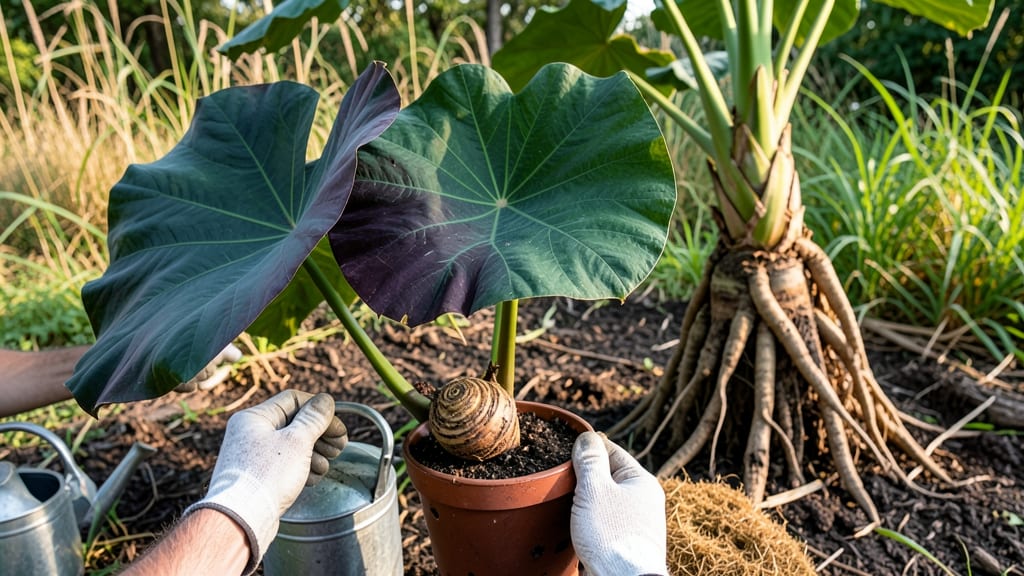
Planting elephant ear bulbs in pots at the wrong time can mean wilted leaves before summer even begins—but get the timing right, and you’ll have a showstopping 🌿 display that lasts all season.
For most gardeners in USDA Zone 6a and warmer, the best window arrives after the last frost, typically in mid-to-late spring when soil reaches 60°F. This timing isn’t just about avoiding frost; it’s about giving your tubers the warmth they crave to sprout strong and lush.
But here’s the catch: tropical varieties need even more patience, thriving when planted late summer to enjoy cooler fall weather. Whether you’re growing hardy or tender types, I’ll walk you through the exact schedule, container prep, and overwintering tricks to keep your elephant ears happy year after year.
Let’s turn your patio into a tropical paradise—without the guesswork. You’ll learn how to time your planting, choose the right pots, and avoid the 3 biggest mistakes that kill tubers before they even take root.
Best planting timeline for elephant ear bulbs in containers
Timing your elephant ear bulbs in pots is crucial for thriving tropical foliage. These cold-sensitive tubers need warmth to sprout, so planting too early risks frost damage. The ideal window varies by USDA zone—aim for after your last frost date when soil reaches 60°F+.
In colder zones (7-8), wait until mid-April to early May, while warmer zones (9-11) can start as early as February. Tropical varieties like Colocasia esculenta thrive with early planting, but hardier types (e.g., Alocasia) need patience.
Your local climate dictates the exact timing. Check your average last frost date—planting 2-3 weeks after ensures safety. For example, in Zone 9, February planting lets tubers establish before summer heat.
In Zone 7, waiting until May prevents frost shock. Pro tip: Use a soil thermometer to confirm warmth before planting. Elephant ears reward precise timing with bold, arrowhead-shaped leaves that dominate containers.
Elephant ear bulbs are seasonal powerhouses, but their container growth depends on timing. Planting too soon in cool pots stunts growth, while waiting too long risks compacted tubers that struggle to sprout. For year-round displays, overwinter tubers indoors in Zone 6 or colder, then replant in spring. Tropical varieties may stay in pots year-round if protected from frost. Always choose well-draining containers to prevent rot—a common killer of tubers planted in soggy soil.
🌱 When to Plant Elephant Ear Bulbs by USDA Zone
| USDA Zone | Ideal Planting Window | Last Frost Date | Container Prep Notes | Key Consideration |
|---|---|---|---|---|
| 7-8 | Mid-April to early May | April 15 | Use black containers to absorb heat | Cold-sensitive tubers need warmth |
| 9-10 | February to March | January 15 | Add perlite for drainage | Longer growing season allows early start |
| 11 | January to February | No frost risk | Use terracotta pots for breathability | Tropical varieties thrive year-round |
🌡️ Pro Tip: For Zone 6 or colder, start tubers indoors in late winter (6-8 weeks before last frost) for earlier blooms.
Elephant ears love warm roots, so container material matters. Black plastic pots absorb heat faster, ideal for cooler zones, while terracotta breathes better in hot climates. Pre-warm pots by placing them in direct sunlight for 24 hours before planting.
This mimics tropical conditions and encourages faster sprouting. For large varieties like Colocasia 'Black Magic', use pots 15+ inches wide—their massive leaves need stability. Smaller types (e.g., 'Pink China') thrive in 12-inch pots.
Don’t overlook container weight—heavy pots prevent tipping in wind, protecting your tropical investment. Fill pots with moist, airy soil mixed with perlite or coconut coir to prevent compaction. Elevate pots on feet or saucers to improve drainage and airflow.
After planting, place containers in partial shade (4-6 hours of morning sun) to avoid leaf scorch. Gradually introduce more sunlight over 2 weeks as new growth appears. Patience here ensures lush, disease-free foliage.
If you’re in a transition zone (e.g., Zone 8 with unpredictable frosts), consider delaying planting until late May. Use row covers or move pots indoors overnight if frost threatens. Tropical elephant ears (Alocasia) are even more sensitive—wait until June 1 in Zone 8 to avoid stunted growth.
Always check 7-day forecasts before planting; a single frost can kill emerging shoots. For extended seasons, harvest tubers in fall, store them in d
Best planting timeline for elephant ear bulbs in containers
Timing your elephant ear bulbs for pots isn’t just about avoiding frost—it’s about matching their heat-loving nature with your local climate. In USDA Zones 7-11, the ideal window opens 2-4 weeks after your last frost date, when soil warms to 60°F or higher.
For tropical varieties like Colocasia esculenta, this often means waiting until late spring or even early summer.
In colder zones (6a-6b), where frost lingers until mid-April, I recommend starting tubers indoors in early March under grow lights. This head start ensures your plants hit the patio ready to explode into lush foliage by June.
The key is balancing warmth with frost risk—plant too early, and your tubers rot; too late, and your plants struggle to establish before fall.
| USDA Zone | Ideal Planting Window | Last Frost Date | Container Prep Notes | Key Consideration |
|---|---|---|---|---|
| 7-8 | Mid-April to early May | April 15 | Use black containers to absorb heat | Cold-sensitive tubers need warmth |
| 9-10 | February to March | January 15 | Add perlite for drainage | Longer growing season allows earlier start |
| 11 | Year-round (avoid winter) | None | Use terracotta for breathability | Tropical varieties thrive in heat |
If you’re in Zone 6a, like me, aim for after April 15—this gives your tubers time to root before summer heat arrives. Pro tip: Check your local Almanac’s frost dates and add 2-3 weeks as a buffer.
For container gardeners, this extra time also lets you acclimate tubers indoors under grow lights if your spring is particularly chilly.
For tropical elephant ears, the game changes entirely. These varieties—like Alocasia—prefer late summer planting (August-September) to enjoy cooler fall weather. Planting them in early summer can scorch their delicate foliage. In pots, this means moving them to shadier spots once temperatures exceed 85°F.
Regardless of your zone, always harden off potted tubers before moving them outdoors. Place them in a sheltered spot for 1 week, gradually increasing sunlight exposure. This step prevents shock and leaf scorch—a common mistake that turns vibrant green leaves into crispy brown edges.
Remember: Elephant ears are not frost-tolerant, even in pots. If your first frost arrives by October 15, plan to overwinter tubers indoors or dig them up before temperatures drop below 50°F.
With the right timing, your containers will burst with 5-foot-tall tropical foliage by midsummer—worth every bit of patience!