
Plants
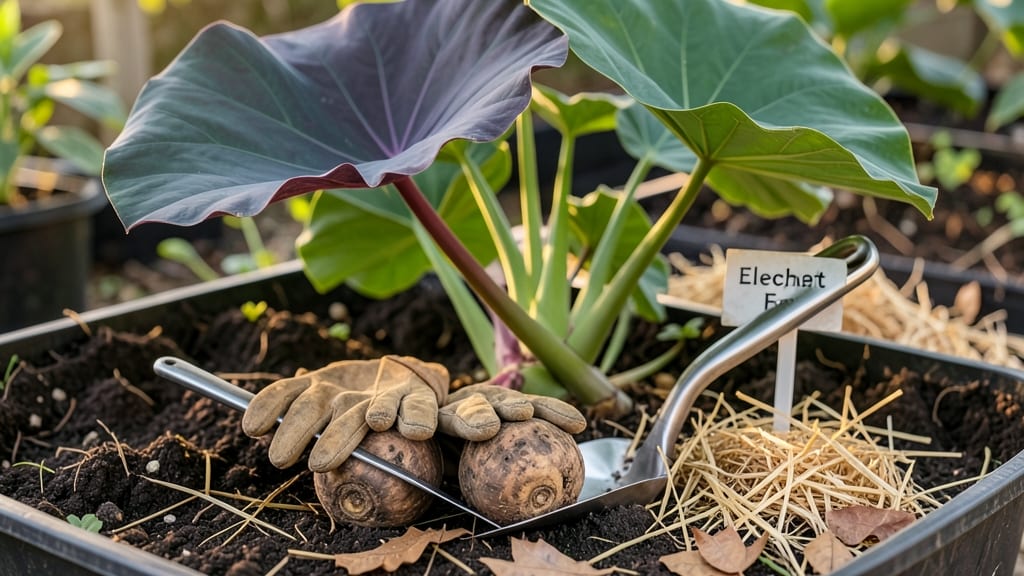
If you're dreaming of bold, tropical-looking 🌿 Elephant Ear plants in your Missouri garden, when to plant elephant ear bulbs in Missouri is the key to success. Planting these heat-loving tubers too early can mean frost damage, while waiting too long might stunt their dramatic growth before summer's peak.
Missouri's 5b-6b climate gives you a narrow window—typically after your last frost, which usually falls around late April to early May. But don't just wait for the calendar to flip; soil temperature matters just as much as dates.
I'll show you exactly when to plant based on your specific region, which varieties thrive best in Missouri's humidity, and how to give your Elephant Ear plants the head start they need to dominate your garden all season long.
Whether you're a first-time gardener or a seasoned pro, these pro tips will help you avoid common mistakes and get those stunning leaves popping up faster than you can say "summer heatwave." Let's get growing!
Missouri’s exact last-frost deadlines for planting elephant ear bulbs (by region)
Missouri’s variable climate means your planting window for elephant ear bulbs depends heavily on your USDA zone and last-frost date. Most of the state falls in zones 5b-6b, where frost typically lingers until mid-April in northern areas and early April in southern regions.
Waiting until soil warms to 60°F+ is critical—cold soil can stunt growth or even kill tender tubers.
Elephant ears are heat-loving perennials that need 165+ frost-free days to mature fully. In Missouri, this means planting after April 15 in most areas, but late May in colder pockets like St. Joseph (Zone 5b).
For container gardening, you can push planting to early June since pots warm faster, but expect smaller plants.
Missouri’s humidity and summer heat create a perfect environment for elephant ears once established, but early planting is key to avoiding late-season wilting from summer droughts. The Missouri Botanical Garden recommends waiting until two weeks after your average last frost—so check your local Almanac for precise dates.
Here’s how three major Missouri regions compare for planting timelines:
For container-grown elephant ears, you can plant 2–4 weeks later than ground planting, as pots heat up faster. However, avoid planting after June 1—late plantings may not establish roots before Missouri’s brutal summer heat sets in, leading to wilting or stunted growth.
Use black plastic mulch to warm soil faster if you’re eager to plant early.
Missouri’s fall planting is risky but possible in southern zones (6b+). Plant tubers in late August to early September to allow roots to establish before winter. In northern Missouri (Zone 5b), fall planting is not recommended—tubers may not survive our harsh winters.
Always mulch heavily (4–6 inches) if you attempt fall planting.
Pro tip: Use a soil thermometer to confirm soil temps before planting. In St. Louis, for example, soil may hit 60°F by April 20, but northern Kansas City often waits until May 1. Patience pays off—rushing can lead to rotted tubers or slow, leggy growth.
If you’re in doubt about frost dates, extend your season by starting tubers indoors under grow lights 4–6 weeks before your last frost date. Transplant outdoors once soil warms and nighttime temps stay above 50°F. This method works especially well for tropical varieties like Albo-m
Best heat-resistant elephant ear varieties for Missouri’s humid climate
Missouri’s sticky summers and sudden humidity shifts can challenge even the hardiest plants—but elephant ear bulbs (Colocasia) thrive here when you choose the right heat-resistant varieties. These dramatic foliage plants love moisture and heat, making them perfect for Missouri’s USDA zones 5b-6b.
Let’s dive into the top 5 varieties that handle our climate like pros, from sun-loving giants to shade-tolerant beauties.
I’ve grown these in my St. Louis garden for years, and they’ve never failed to deliver bold, glossy leaves even during 90°F+ heatwaves. The key? Picking varieties bred for humidity tolerance and soil moisture retention.
Here’s my curated list, complete with care tips tailored to Missouri’s hot summers and unpredictable springs.
🌿 Visual Tip: All elephant ear varieties grow from tubers, not seeds. Plant them 1-2 inches deep in well-draining, rich soil after the last frost (typically mid-April to early May in Missouri).
For Missouri’s climate, I recommend starting with Black Beauty or Albo-marginata—they’re the most heat-tolerant and handle our humid summers without wilting. If you’re in shadier areas (like under trees), Green Dragon or Illustris are my go-tos.
And for a pop of color, 'Pink Frost' adds a unique twist to sunny borders.
Pro tip: Soil prep is critical in Missouri. Amend your garden beds with compost or peat moss to improve water retention, and avoid planting in heavy clay unless you’ve added organic matter. Elephant ears hate soggy roots but crave consistent moisture—a classic Missouri gardening paradox!
Once planted, these varieties will reward you with lush foliage from early summer to first frost. Just remember: mulch generously (3-4 inches of straw or shredded leaves) to lock in moisture and protect tubers during our unpredictable fall freezes.