
Plants
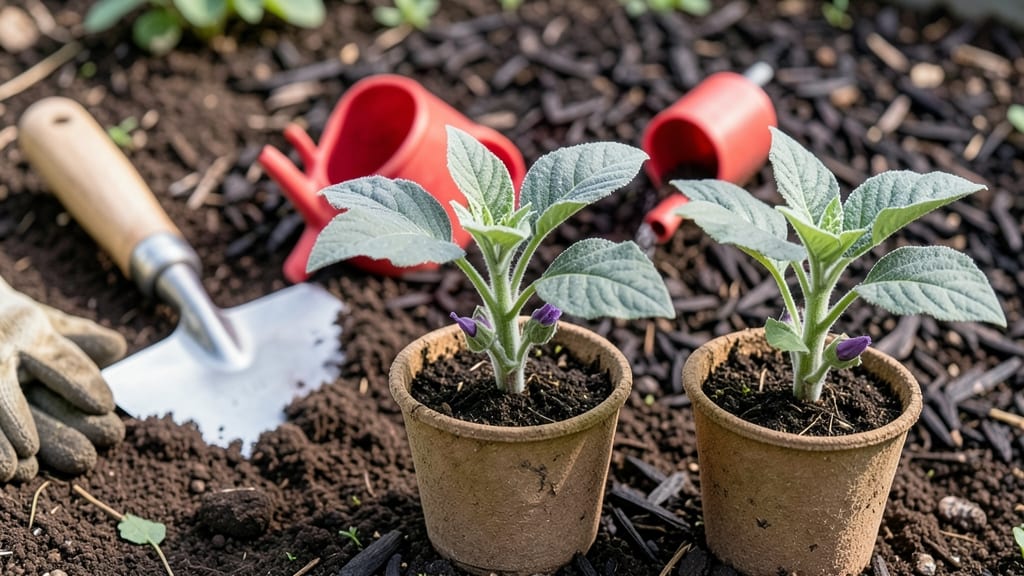
Planting eggplant in Zone 7 at the wrong time can turn your summer garden dreams into a sad, shriveled mess—no one wants that! The key to juicy, prolific 🍆 harvests lies in waiting until the soil warms up and the last frost has vanished for good.
Most gardeners in Zone 7 make the mistake of rushing eggplants into the ground too early, only to watch them wilt when temperatures dip. But with the right timing—typically after mid-April—you’ll give your plants the warm, consistent conditions they crave to thrive all summer long.
I’ll walk you through the exact dates to plant, soil temperature tricks, and how to protect young plants from late surprises. Whether you’re transplanting seedlings or sowing directly, these insights will help you avoid common pitfalls and maximize your harvest from July to September.
Ready to grow eggplants that actually produce? Let’s dive into the perfect planting schedule for Zone 7’s unique climate—where humidity and heat play just as big a role as timing.

Best planting dates for eggplant in Zone 7 (with frost & heat guidelines)
Eggplants are heat-loving plants that refuse to grow in cold soil, so timing your Zone 7 eggplant planting after the last frost is critical. In most of Zone 7, the average last frost date falls around April 15, but I always wait until mid-to-late May to transplant seedlings.
This gives your plants a fighting chance against late frosts while ensuring the soil stays warm enough for root development.
Your eggplant’s soil temperature must reach at least 70°F (21°C) before planting—cold soil slows germination and invites rot. Use a soil thermometer to check; if it’s below 70°F, delay planting.
In northern Zone 7 (like Cincinnati or Pittsburgh), aim for May 15–June 1, while southern Zone 7 (like Atlanta or Raleigh) can start as early as April 20–May 1.
Here’s my eggplant planting timeline for Zone 7: Start seeds indoors 8–10 weeks before your last frost (around February 15–March 1), then transplant seedlings outdoors after May 15. For direct sowing (not recommended for beginners), wait until June 1 when soil is reliably warm.
| Stage | Action | Zone 7 Timing |
|---|---|---|
| Start Seeds Indoors | Sow in trays with heat mat | Feb 15–March 1 |
| Hardening Off | Acclimate seedlings to outdoors | April 15–May 1 |
| Transplant Outdoors | After last frost, soil ≥70°F | May 15–June 1 |
| Direct Sow (Optional) | Only if soil is warm and stable | June 1–15 |
| First Harvest | 75–100 days after transplanting | July–September |
🌱 Key: Adjust dates 1–2 weeks earlier for southern Zone 7 or later for northern areas.
If you’re in a Zone 7 microclimate with late frosts (like mountain valleys), consider using row covers or black plastic mulch to warm the soil faster.
I’ve had success planting early-maturing varieties like ‘Ichiban’ in early May with a protective cover, then removing it once nighttime temps stay above 55°F (13°C).
One common mistake is rushing eggplants into cold soil—this leads to blossom end rot or stunted growth. Always test soil temperature with a thermometer or wait until your local extension office confirms frost risk has passed.
In my garden, I mark the last frost date on my calendar and add 2–3 weeks of buffer time for safety.
For container growing in Zone 7, plant eggplants in 5-gallon pots and move them to a sunny patio after May 1. Containers warm up faster than ground soil, so you can often plant 1–2 weeks earlier than in-ground plants. Just ensure your pots have drainage holes to prevent root rot.
Remember, eggplants need warmth to thrive, and Zone 7’s short growing season means every day counts. By following these planting dates and soil temperature guidelines, you’ll give your eggplants the best shot at a bountiful harvest before fall’s first frost.
Pro tip: If you’re eager to start earlier, try growing eggplants in a greenhouse or under row covers. This lets you transplant seedlings as early as mid-April while still protecting them from late frosts. Just be sure to ventilate the covers during the day to prevent overheating.
Best planting dates for eggplant in Zone 7 (with frost & heat guidelines)
In Zone 7, the last average frost date is around April 15, but eggplants need soil temperatures of at least 70°F (21°C) to thrive. Planting too early—even just a few weeks before—risks stunted growth or death from cold-sensitive roots.
I’ve learned this the hard way with my first eggplant crop!
For transplanted seedlings (the most common method), aim for mid-May to early June when nighttime temperatures stay above 55°F (13°C). This gives your plants a 6-8 week head start before summer’s peak heat arrives.
If you prefer direct sowing, wait until late May to early June—after all frost risk has passed and soil is consistently warm. Seedlings take 10-14 days to germinate, so don’t rush this step.
🌱 Did You Know?
For early starts, use row covers or black plastic mulch to warm soil faster, but remove them once plants are established. I’ve had success planting 4-6 weeks before the ideal date by using these tricks—just monitor weather forecasts closely.
In Zone 7’s southern regions (e.g., Atlanta, Raleigh), you can plant 2-3 weeks earlier than the northern edge (e.g., Cincinnati, Lexington). Check your local microclimate—valleys stay cooler longer, while slopes warm up faster.
Always harden off seedlings for 7-10 days before transplanting to avoid shock. I use a shady spot outdoors during the day and bring them in at night—this mimics real conditions and boosts survival rates.