
Plants
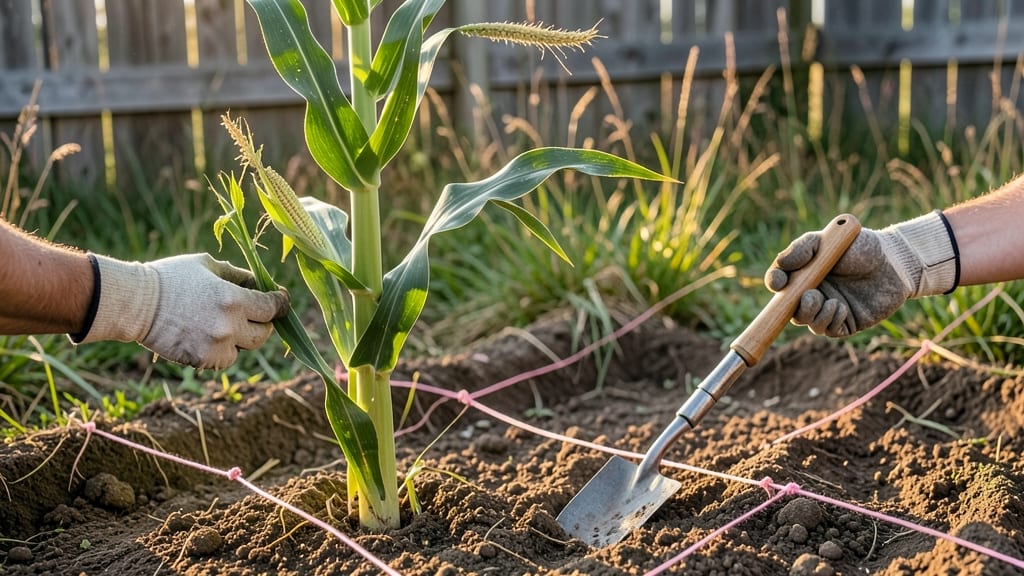
Timing your corn planting in GA can mean the difference between a bumper crop of sweet, juicy 🌽 ears and a disappointing harvest. Georgia’s varied climate—from the humid coastal plains to the cooler Appalachian foothills—demands precision, not guesswork.
Plant too early, and frost-sensitive seedlings will wither; wait too long, and your crop might not mature before summer’s relentless heat.
I’ve seen firsthand how a just-right planting window transforms a backyard garden into a cornucopia of fresh produce. Whether you’re growing sweet corn for summer meals or field corn for livestock, knowing when to drop those seeds is the most important step.
Let’s break down the exact dates by Georgia’s microclimates so you can avoid common mistakes and maximize your yield.
Most gardeners in the 7b-8b zones know the general rule: wait until after the last frost, typically mid-April to late June. But here’s the catch—soil temperature matters just as much as calendar dates.
Corn thrives when the ground reaches at least 60°F, and that timing shifts depending on whether you’re in Savannah’s heat or the mountains’ cooler air.
Ready to learn how to align your planting with Georgia’s unique conditions? I’ll walk you through the science, share regional adjustments, and reveal the game-changer tricks that keep my corn growing strong from July through October. Let’s get those seeds in the ground at the perfect moment!
Georgia’s corn planting zones: exact dates by USDA hardiness region
Georgia’s 7 USDA hardiness zones (7a–8b) create dramatic differences in corn planting success. In North Georgia (7a–7b), like the Blue Ridge Mountains, frost lingers until mid-April, while South Georgia (8a–8b), including the Coastal Plain, enjoys frost-free conditions by early March.
These variations mean your planting window could shift by 6 weeks depending on elevation and location.
For most Georgia gardeners, corn should go in the ground after the last average frost date and when soil temperatures hit 60°F+.
In Zone 7a (North Georgia), that’s typically mid-April to early May, while Zone 8b (South Georgia) gardeners can start as early as late February to March. Missing these windows risks cold soil rot or heat stress in summer.
Here’s the summary table breaking down optimal planting dates, frost-free periods, and key adjustments by zone. Use this as your Georgia-specific planting guide to avoid common timing mistakes.
Georgia Corn Planting by USDA Zone
| Zone | Last Frost Date | Optimal Planting Window | Soil Temp Threshold | Key Adjustments |
|---|---|---|---|---|
| 7a (North GA) | Mid-April | Mid-April to early May | 60°F+ | Use early-maturing varieties (e.g., 'Peaches and Cream'). |
| 7b (Piedmont) | Late March | Late March to mid-April | 60°F+ | Standard varieties (e.g., 'Silver Queen') thrive here. |
| 8a (Central GA) | Early March | Early March to late April | 55°F+ | Extend season with late varieties (e.g., 'Bodacious'). |
| 8b (South GA/Coastal) | Late February | Late February to mid-May | 50°F+ | Watch for humidity-related diseases; use fungicides if needed. |
*Adjust dates 1-2 weeks earlier for lowland areas (e.g., Wiregrass) and later for higher elevations (e.g., Appalachian foothills).
In Zone 7a (North Georgia), where frost can linger until April 15, I recommend starting early-maturing sweet corn varieties like 'Peaches and Cream' (60–65 days to harvest) to avoid fall frost cutting your season short.
These areas also benefit from row covers to extend the growing window by 2–3 weeks.
Conversely, South Georgia’s Zone 8b offers a longer growing season, allowing for two plantings: one in March (for early summer harvest) and another in late May (for fall harvest). However, the humid Coastal Plain climate demands vigilance against corn earworm and fungal diseases like gray leaf spot.
For field corn or popcorn, which have longer maturity dates (90–120 days), I suggest focusing on Zone 7b and below. These varieties need the extended heat of South Georgia’s summers to fully develop.
In North Georgia, opt for dwarf or semi-dwarf varieties to reduce lodging risks from wind or heavy rain.
Pro tip: Use a soil thermometer to confirm 60°F+ soil temps before planting—cold soil delays germination and invites seed rot. In Zone 8b, where soil warms faster, you can plant 2 weeks earlier than the average date if conditions are right.
Remember, Georgia’s microclimates can vary even within a zone. For example, Athens (Zone 8a) might align with the Piedmont’s schedule, while Savannah (Zone 8b) could push planting to February in mild winters. Always check your local frost data from the Georgia Automated Environmental Monitoring Network (AEMN) for precision.
How to adjust planting dates for Georgia’s microclimates and corn varieties
Georgia’s microclimates can shift your ideal corn planting window by weeks—even within the same county. For example, North Georgia’s cooler elevations (like the Blue Ridge Mountains) might see frost lingering until April 15, while South Georgia’s Wiregrass region could be frost-free by March 10.
Adjust your dates based on these three key factors: elevation, soil warmth, and corn variety.
I’ve learned the hard way that ‘Silver Queen’ sweet corn, which matures in just 70 days, can be planted as early as mid-March in Zone 8b (Savannah), but the same variety risks frost damage if sown before April 1 in Zone 7a (Dahlonega).
Meanwhile, ‘Peaches and Cream’, a late-season favorite with 90-day maturity, needs a June planting in North Georgia to avoid summer’s brutal heat.
Soil temperature is your true planting guide. Use a soil thermometer to confirm the ground has reached 60°F at a 4-inch depth—corn seeds won’t germinate below 50°F. In Coastal Georgia, this often means planting by late March, while Piedmont gardeners may wait until mid-April.
🌽 Georgia Corn Planting Adjustments
✅ DO
- Plant early-maturing varieties (60-70 days) in North Georgia (Zones 7a-7b) by April 15.
- Use black plastic mulch to warm soil 2-3°F faster in cooler zones.
- Choose heat-tolerant varieties like ‘Bodacious’ for South Georgia’s summer heat.
❌ DON’T
- Plant late-season varieties (90+ days) before May 1 in Zone 8a—they’ll bolt in summer’s heat.
- Ignore soil temperature—seeds rot below 50°F even if frost is gone.
- Overlook humidity—South Georgia’s muggy summers invite corn smut if planting is delayed.
🌡️ Pro Tip: Check your local AgriMet station for real-time soil temps—Georgia’s UGA Extension provides free data!
For elevation adjustments, add 1 week of delay for every 500 feet above sea level. For example, if your garden sits at 1,000 feet (like in Dahlonega), hold off until April 22 instead of April 15. This rule also applies to shaded or low-lying areas where frost lingers.
Don’t forget to stagger plantings for a continuous harvest. In Zone 8b, I plant ‘Golden Bantam’ popcorn (60 days) in early April, followed by ‘Peaches and Cream’ (90 days) in mid-May. This ensures fresh ears from June through September without overwhelming my garden at once.
Finally, watch the weather. If a late frost warning pops up after your planting, cover seedlings with row fabric or a cloche.
And in South Georgia, be ready to shade young plants from scorching sun if temperatures exceed 95°F—a trick that’s saved my crop more times than I can count.