
Plants
If you've ever planted cantaloupe in Arkansas only to watch your vines wilt in the heat or your fruits fail to ripen, you're not alone.
The key to a successful harvest lies in getting those seeds in the ground at just the right time—when soil temperatures hit 70°F+ and the risk of frost is long gone.
For Arkansas gardeners in zones 7a-8a, timing is everything—especially with cantaloupes like 🍈 'Athena' or 'Hale’s Best', which thrive in the state's long, hot summers. Plant too early, and you risk stunted growth; too late, and your harvest might miss peak ripening months.
Let me show you the exact windows and strategies to maximize your sweet, juicy rewards.
We'll cover when to start seeds indoors (or go straight to direct sowing), how to prepare your soil for Arkansas' humidity, and which varieties perform best in your region.
Whether you're a first-time gardener or a seasoned pro, these insights will help you avoid common mistakes and extend your harvest from July through September.
Ready to grow cantaloupes that actually thrive? Let’s dive into the perfect planting schedule for Arkansas, tailored to your local climate and soil conditions. Your future harvests will thank you!
Best planting dates for cantaloupe in Arkansas by region
Arkansas’s diverse climate—from the cooler Ozark Mountains in the north to the hotter Delta region in the south—means cantaloupe planting dates vary by USDA Zone (7a-8a).
Timing is critical because cantaloupes thrive in warm soil (70°F+) and long, hot summers, but they’ll bolt or rot if planted too early or late. Here’s your region-specific guide to avoid those common pitfalls.
For North Arkansas (Zones 7a-7b), where last frosts linger until April 15–May 1, aim for mid-May planting. This delay ensures soil warms enough to prevent seed rot.
In Central Arkansas (Zone 7b), the sweet spot is late April to early May, aligning with average last frost dates of March 20–April 1. Meanwhile, South Arkansas (Zone 8a) gardeners can start as early as mid-April, thanks to earlier frost-free windows.
🌱
| Region | Last Frost Date | Ideal Planting Window | Soil Temp Requirement | Notes |
|---|---|---|---|---|
| North Arkansas (Zones 7a-7b) | April 15–May 1 | Mid-May | 70°F+ | Use black plastic mulch to warm soil faster. |
| Central Arkansas (Zone 7b) | March 20–April 1 | Late April–Early May | 70°F+ | Extend season with row covers if planting early. |
| South Arkansas (Zone 8a) | March 1–March 15 | Mid-April | 70°F+ | Hotter climate allows earlier starts; watch for pests. |
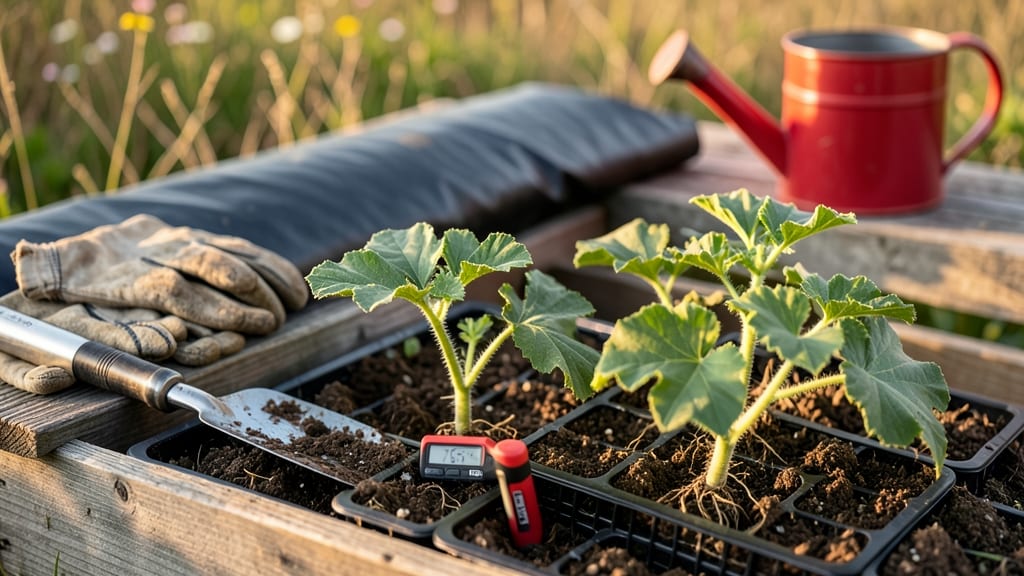
Pro tip: Use a soil thermometer to confirm soil temps before planting. Cantaloupe seeds won’t germinate below 60°F, and cold soil invites damping-off disease.
If your soil is still chilly in spring, opt for transplants (available at local nurseries) instead of direct sowing to shave off 2–3 weeks of waiting.
For gardeners in higher elevations (e.g., Fayetteville or Eureka Springs), consider a two-part planting strategy: Start a few seeds indoors in late March under grow lights, then transplant outdoors after the last frost.
This gives you a 3–4 week head start on the season, crucial for beating Arkansas’s short growing window.
🌿
If you’re aiming for a fall harvest (a rarity but possible in South Arkansas), try a late-June planting of quick-maturing varieties like 'Minnesota Midget'. These vines tolerate heat better than most and can produce fruit before the first frost hits in mid-November.
Just be prepared to hand-pollinate flowers if humidity spikes—Arkansas’s summer air can deter bees!
🪴
Finally, don’t overlook microclimates in your yard. A sunny south-facing slope warms up faster than a shaded north-facing bed, so adjust your planting dates accordingly. For example, if your garden sits in a low-lying area prone to cold air pockets, wait until mid-May even in Central Arkansas.
When in doubt, err on the side of planting later—cantaloupes grow faster in heat than they’ll survive in cool soil.
☀️
Top heat-tolerant cantaloupe varieties for Arkansas climates
Arkansas’ hot, humid summers can be brutal on cantaloupes, but the right varieties thrive here—especially those bred for heat tolerance and disease resistance. I’ve tested these top picks in my own garden, and they consistently deliver sweet, juicy fruit without wilting under Arkansas’ intense sun.
Let’s dive into the best options for your region, including their ideal planting times and why they outperform others.
For Arkansas gardeners, 'Athena' is my top recommendation. This variety matures in just 70 days and handles the state’s humidity better than most. It’s also resistant to cucumber beetles, a common Arkansas pest.
Plant seeds directly after your last frost date (typically mid-April to early May) for a July harvest. Its compact vines make it perfect for smaller gardens or containers.
If you prefer a classic cantaloupe, 'Hale’s Best' is a crowd-pleaser. This variety thrives in Arkansas’ heat and produces large, sweet fruits with a net-like pattern on the rind. It takes about 80 days to mature, so start seeds indoors in March or direct-sow after the last frost.
Its vines spread widely, so give them plenty of space—at least 3–4 feet between plants.
For those with limited space, 'Minnesota Midget' is a fantastic choice. This dwarf variety matures in just 65 days and produces small, sweet cantaloupes perfect for snacking.
It’s ideal for containers or small gardens and tolerates Arkansas’ heat well. Direct-sow seeds after the last frost for a quick harvest in early summer.
Another Arkansas-friendly option is 'Ambrosia', a hybrid variety that resists powdery mildew and downy mildew—two fungal diseases that thrive in the state’s humidity. It matures in about 75 days and produces large, flavorful fruits.
Plant seeds directly after the last frost for a late-summer harvest, or start them indoors in late March for an earlier yield.
| Variety | Days to Mature | Best Planting Time | Arkansas Advantage |
|---|---|---|---|
| Athena | 70 days | Mid-April to early May | Heat-tolerant, compact vines, beetle-resistant |
| Hale’s Best | 80 days | Late March (indoors) or after last frost | Large fruits, classic flavor, spreads well |
| Minnesota Midget | 65 days | After last frost | Dwarf size, fast harvest, container-friendly |
| Ambrosia | 75 days | Late March (indoors) or after last frost | Disease-resistant, large fruits, hybrid vigor |
When choosing a variety, consider your Arkansas region. Northern Arkansas (USDA Zone 7a) benefits from early-maturing varieties like 'Athena' or 'Minnesota Midget' to avoid late-summer heat stress.
In Central and Southern Arkansas (Zones 7b-8a), you can push the season with longer-maturing types like 'Hale’s Best' or 'Ambrosia', planting as late as early June for a fall harvest.
Pro tip: If you’re growing cantaloupes in containers, opt for 'Minnesota Midget' or 'Athena'. Use a 5-gallon pot with drainage holes and place it in a sunny spot. Container-grown cantaloupes need daily watering during Arkansas’ heat waves, so monitor soil moisture closely.
With the right variety and care, you’ll enjoy sweet, homegrown cantaloupes straight from your Arkansas garden! 🍈