
Plants
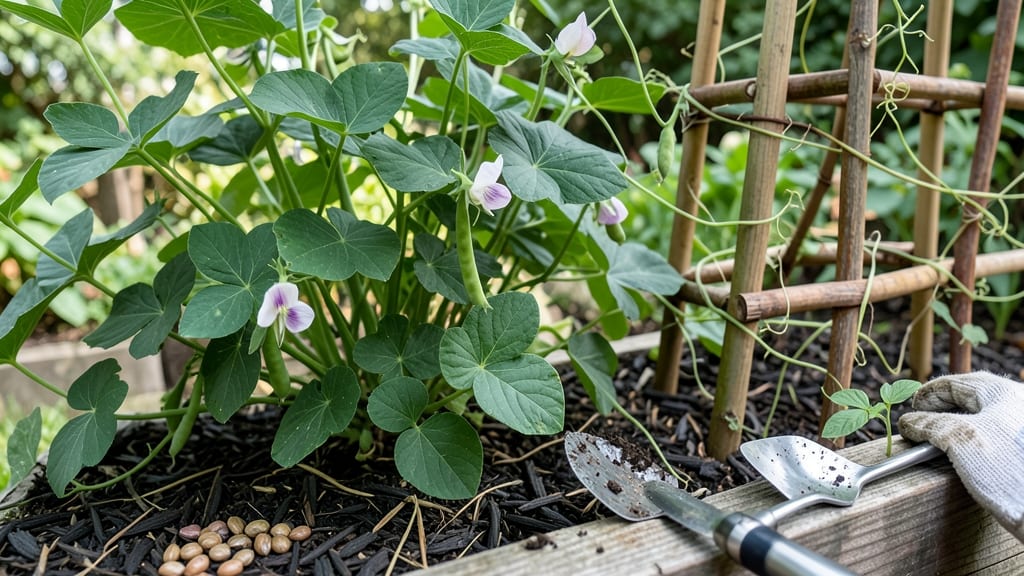
Knowing when to plant Dixie Lee peas in NC can mean the difference between a thriving garden and wasted seeds. These sweet peas 🌱 love North Carolina’s climate—but only if you time it right, considering soil temperature and frost risks that vary across zones 7a-8b.
Planting too early? Your seeds might rot in cold soil. Too late? You’ll miss the 60-70°F sweet spot for germination. The key is understanding your region’s microclimates, whether you’re in the Piedmont or Coastal Plains, to lock in a reliable harvest.
I’ll break down the exact windows—spring and fall—for Dixie Lee peas, plus how to test soil temperature like a pro. No more guessing games; just a foolproof plan for May-June or October-November harvests.
Ready to grow a bumper crop? Let’s dive into the timing secrets that’ll have your garden bursting with flavor—without the frustration.
Dixie Lee peas planting calendar: NC’s frost dates and soil temperature guide
North Carolina’s diverse climate—from the Coastal Plain to the Mountains—means Dixie Lee peas thrive in different windows. The key is planting when soil hits 60-70°F and frost risk drops below 10%.
For most of NC (zones 7a-8b), this means two ideal planting periods: early spring and late summer.
Spring planting works best in March-April after the last frost (typically March 15 in Piedmont, later in the Mountains). Fall plantings should start July-August for a harvest before winter. Coastal areas like Wilmington can plant 2 weeks earlier than the Piedmont due to milder winters.
Soil temperature is your best guide—not the calendar. Dixie Lee peas germinate poorly below 55°F and grow best at 70-80°F. A soil thermometer ($10 at garden centers) is worth its weight in gold here. Planting too early? You’ll risk moldy seeds or slow sprouts that attract pests.
Here’s how NC’s regions break down for Dixie Lee peas:
| Region | USDA Zone | Spring Planting Window | Fall Planting Window | Soil Temp Goal |
|---|---|---|---|---|
| Coastal Plain (Wilmington) | 8a-8b | Mid-March to early April | Late July to mid-August | 60-70°F |
| Piedmont (Raleigh) | 7a-7b | Late March to April | Early July to early August | 60-70°F |
| Mountains (Asheville) | 6b-7a | April to early May | Mid-July to late August | 65-70°F |
Pro tip: Use black plastic mulch to warm soil faster in spring. Lay it down 2-3 weeks before planting—it can raise soil temps by 5-10°F, speeding germination. Just remove it once peas sprout to avoid overheating.
For fall plantings, aim to harvest before first frost (typically November 15 in Piedmont). Plant 8-10 weeks before your area’s first frost date. Coastal areas can push this to December with row covers.
If you’re in Zone 7a or cooler, consider succession planting every 2 weeks in spring for a staggered harvest. This works best in Raleigh and west, where cooler temps slow growth.
Remember: Dixie Lee peas are heat-tolerant but bolt (go to seed) faster in 90°F+ temps. In Coastal NC, plant fall crops by mid-August to avoid this. Use shade cloth if summer temps climb above 85°F.
🌱
How to test soil temperature for Dixie Lee peas (and avoid common mistakes)
Testing soil temperature before planting Dixie Lee peas is the secret weapon against wasted seeds. Cold soil (below 60°F) slows germination, while waiting too long risks overcrowded plants or pest pressure.
I’ve learned the hard way—skipping this step means seeds either rot or sprout too slowly to compete with weeds.
Your goal is 60-70°F soil for consistent germination. Use a soil thermometer (digital ones are most accurate) to check temperatures 2-3 inches deep—where seeds will be. Morning readings are best because soil cools overnight, and you want to confirm daytime warmth.
Here’s how to read the numbers: 60°F is the minimum for Dixie Lee peas, but 65-70°F is ideal. If your thermometer shows 55°F or lower, wait 1-2 weeks. Pro tip: Check for 3 consecutive days above 60°F before planting—this ensures stable conditions for sprouting.
⚠️ Common Mistakes That Kill Germination
Planting too early: Seeds rot in cold, wet soil. Signs: Moldy seeds, no sprouts after 2 weeks.
Relying on air temperature: Soil stays 10-15°F cooler than air. Always check soil, not the weather app.
Ignoring microclimates: South-facing beds warm faster than north-facing ones. Test multiple spots!
For North Carolina gardeners, this means different timing for Piedmont vs. Coastal regions. In Zone 7a (western NC), aim for mid-April plantings, while Zone 8a (Coastal Plains) can start as early as late March.
Use a 3-day forecast to predict soil warming trends—if rain is in the forecast, delay planting until conditions dry out.
Once you’ve confirmed the right temperature, act fast. Dixie Lee peas germinate in 7-14 days under ideal conditions, but weeds will take over if you delay. Plant seeds 1 inch deep and 2 inches apart in rows spaced 18 inches apart.
Thin seedlings to 4 inches apart when they’re 2-3 inches tall to avoid competition.
Remember: Soil temperature > calendar dates. Even if it’s "spring," cold soil will sabotage your harvest. Grab that thermometer, test your beds, and give your Dixie Lee peas the warm start they deserve! 🌱