
Plants
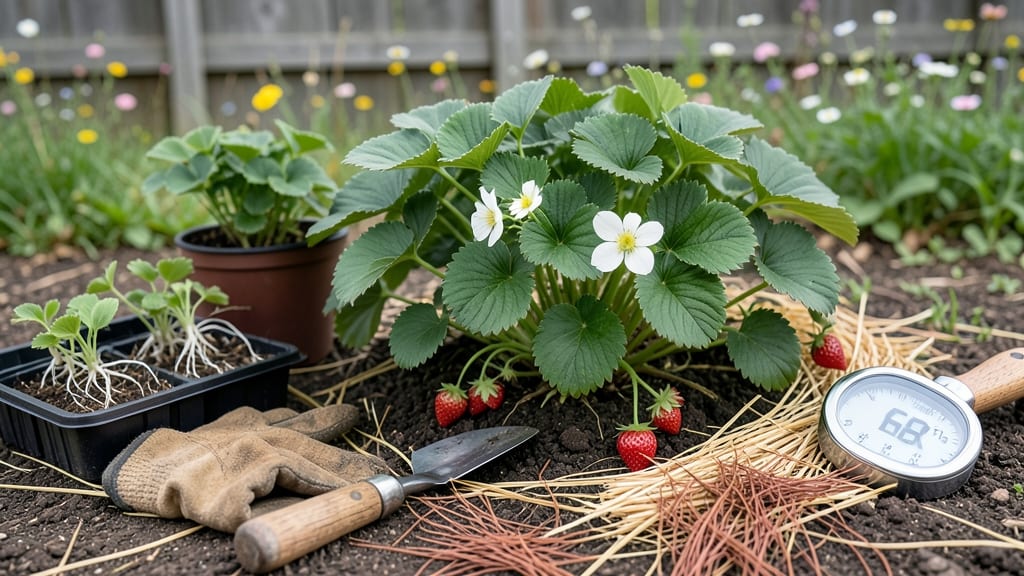
Planting strawberries in North Carolina at the wrong time can mean the difference between a bountiful harvest and wasted effort—especially when frost-sensitive varieties are on the line.
Whether you're a seasoned gardener or just starting with your first 🍓 patch, timing is everything in the Tar Heel State's 7a-8b zones.
Most gardeners in NC know the classic advice: plant in early spring or late summer. But what if you're growing June-bearing varieties that need 500-1,000 chilling hours? Or everbearing types that thrive in warmer microclimates?
The answer lies in understanding your specific region's frost dates and heat patterns—because a 3-week difference can mean the difference between thriving plants and stunted growth.
In this guide, I'll break down the exact planting windows for both spring and summer plantings, including how to use North Carolina's heat-zone map to adjust your schedule.
You'll learn when to prep your soil, how to protect young plants from late frosts, and which varieties perform best in your corner of the state—so you can finally enjoy those sweet, homegrown berries without the guesswork.
Let's get your strawberry patch off to the right start—because in NC, timing isn't just important, it's the key to success. Whether you're working with bare-root plants or potted varieties, these strategies will help you avoid common pitfalls and maximize your harvest from May through October.
North Carolina strawberry planting dates by chilling hours & variety
North Carolina’s diverse climate—from the mountainous west to the coastal plains—means strawberry planting dates vary by chilling hours and variety type. June-bearing varieties need 500-1,000+ hours of winter chilling, while everbearing and day-neutral types adapt better to milder winters. Let’s break down the best windows for your region.
Most NC gardeners plant strawberries in early spring (March-April) or late summer (July-August). Spring planting aligns with the last frost date (typically March 15-April 15), while summer planting lets you harvest in fall. The key is matching your USDA zone (6b-8a) with the right variety.
Here’s how to choose: June-bearing varieties (like Chandler or Seascape) thrive in zones with 600+ chilling hours and produce one massive harvest. Everbearing types (e.g., Ozark Beauty) handle 300-500 hours and bear fruit in two seasons. Day-neutral varieties (such as Albionel) need minimal chilling (200-300 hours) and produce continuously.
| Variety Type | Chilling Hours Needed | Best NC Zones | Planting Window | Harvest Time |
|---|---|---|---|---|
| June-Bearing | 500-1,000+ | 6b-7b (Mountains/Piedmont) | March 15 - April 15 | May - June |
| Everbearing | 300-500 | 7a-8a (Coastal Plain/Piedmont) | March 1 - April 30 OR July 15 - Aug 15 | June + September-October |
| Day-Neutral | 200-300 | 7b-8b (All zones) | March 15 - April 30 OR July 1 - Aug 15 | June - October (continuous) |
🌱 Pro Tip: Use a strawberry heat mat in cooler zones (6b) to extend the growing season by 2-3 weeks.
For mountain regions (USDA 6b-7a), like Asheville or Boone, focus on June-bearing varieties planted in late March. These areas get 800+ chilling hours, perfect for Chandler or Jewel.
In contrast, coastal NC (7b-8a), such as Wilmington or Morehead City, should opt for everbearing or day-neutral types like Seascape or Albionel, planted in April or July.
If you’re unsure about your chilling hours, check your local NC State Extension office or use a home chilling hour calculator. For example, Raleigh (zone 7b) averages 600-700 hours, while Charlotte (zone 8a) gets 400-500 hours.
Adjust your variety choice accordingly to avoid poor fruiting or flower drop.
Another critical factor is soil temperature. Strawberry roots thrive when soil is 45-55°F. Planting too early in cold soil (below 40°F) stunts root growth. Use a soil thermometer to monitor conditions—wait until soil warms to 50°F+ before planting in spring.
For summer planting (July-August), prioritize day-neutral varieties like Fort Laramie or Tristar. These handle NC’s summer heat (90°F+) better and produce fruit until first frost. Mulch heavily with straw or pine needles to keep roots cool and retain moisture during drought-prone months.
Remember: Bare-root plants need to establish roots before summer heat hits, so plant them 4-6 weeks before your last frost. If buying potted strawberries, you can plant them 2 weeks later since their roots are already developed.
Always soak bare-root plants in water for 1-2 hours before planting to rehydrate the roots.
Finally, rotate your planting location every 3-4 years to prevent soil-borne diseases like verticillium wilt. Strawberries are perennial, but their yield drops significantly after 3 years in the same spot. Plan ahead by intercropping with spring greens or cover crops in off-years.
North Carolina strawberry planting dates by chilling hours & variety
North Carolina's diverse climate—from the Coastal Plain's humid summers to the Mountains' cooler nights—means strawberry planting dates vary wildly. The key? Chilling hours (the number of hours below 45°F your plants need to fruit) and your USDA zone.
June-bearing varieties, like 'Chandler', need 500-1,000 hours of chilling, while everbearing types like 'Seascape' thrive with just 300-500 hours.
For most of NC (zones 7a-8a), the sweet spot is planting 4-6 weeks before your last frost date—typically mid-March to early April in the Piedmont and late February to March in the Coastal Plain.
But if you're growing day-neutral varieties (like 'Tristar'), you can also plant in late July to early August for a fall harvest.
Here’s how to match your variety to NC’s regions:
| Variety Type | Chilling Hours Needed | Best NC Planting Window | Harvest Time | Notes for NC Gardeners |
|---|---|---|---|---|
| June-Bearing | 500–1,000+ hours | March–April (Coastal Plain) or April–May (Mountains) | May–June | Best for cool climates; needs winter chilling. |
| Everbearing | 300–500 hours | March–April (spring) or July–August (fall) | June–July (spring) + September–October (fall) | Tolerates warmer zones; produces fruit in two seasons. |
| Day-Neutral | 0–300 hours | March–April or July–August | May–October (continuous) | Ideal for long harvests; thrives in heat. |
Pro tip: If you’re in zone 8a (like Raleigh or Fayetteville), avoid planting June-bearing varieties after April 15—they’ll struggle with summer heat. Instead, opt for everbearing or day-neutral types for a longer harvest window.
For bare-root plants, soak roots in water for 30 minutes before planting to reduce transplant shock. If using potted strawberries, plant them anytime the soil is workable (even in mild winters), but mulch heavily to protect roots from freeze-thaw cycles.
Remember: Soil temperature matters too! Strawberries need soil at 40–50°F to root well. Use a soil thermometer to check before planting—especially in Coastal Plain areas where soils warm faster.