
Plants
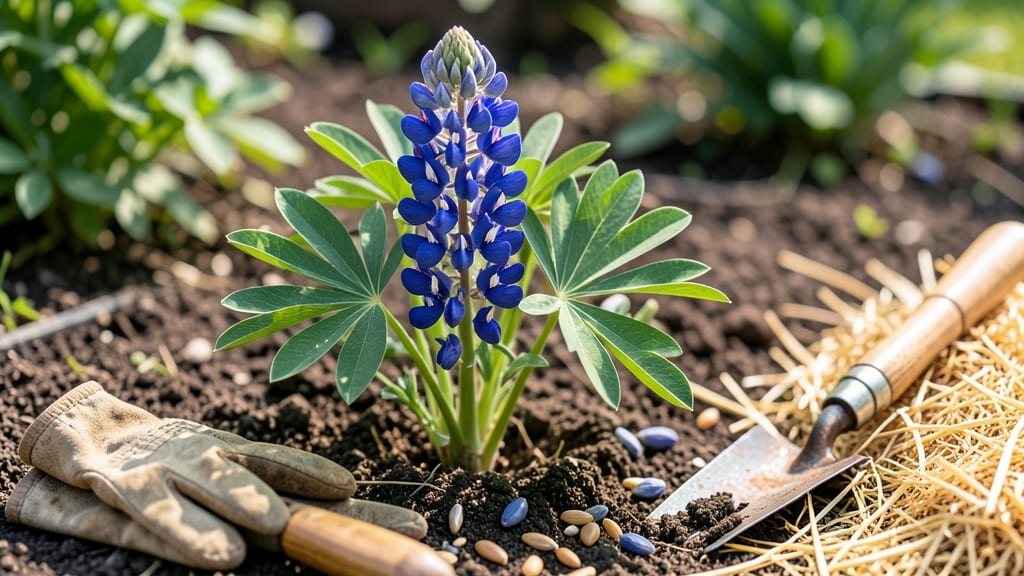
Most gardeners assume bluebonnets thrive on a whim, but in USDA Zones 9a-10a, the difference between a flourishing spring bloom and a failed attempt comes down to planting in the right frost-free window.
The secret? Sowing seeds between late September and early November—after the first frost but before winter rains arrive.
Why does this matter? Because bluebonnets are finicky about heat and moisture. Plant too early, and summer's scorching temperatures will fry your seeds before they sprout. Plant too late, and heavy rainfall can wash them away or trigger premature germination.
I'll break down the exact conditions that make all the difference for your South Texas garden.
Let's dive into the best months, soil prep tricks, and weather hacks that'll have your bluebonnets thriving when spring rolls around—because in Texas, timing isn't just a suggestion, it's the game-changer.
South Texas bluebonnet planting calendar: best months by frost zone
Bluebonnets (Lupinus texensis) thrive in South Texas because they’re built for the heat, but their planting window is narrow. The key is sowing seeds when soil temperatures drop below 80°F but before hard frosts arrive.
In USDA Zones 8-10, this typically means late September through early November—just after the first frost and before winter rains soak seeds too deeply.
South Texas’ frost-free season stretches from mid-December to late November, but microclimates near the coast (like Corpus Christi) may experience frost 2-3 weeks later than inland areas (e.g., San Antonio). Always check your local frost dates—the Texas A&M AgriLife Extension offers county-specific forecasts.
Planting too early risks summer heat stress; too late, and seeds may rot in winter’s heavy rains.
For the most reliable blooms, aim for September 20–October 15 as your ideal planting window. This gives seeds time to germinate before winter’s chill sets in. If you miss this window, a spring planting (February) is possible, but success rates drop due to shorter daylight and higher pest pressure.
| Month | Soil Temp (°F) | Rainfall (in) | Planting Tip | Bloom Time |
|---|---|---|---|---|
| Late September | 75–85°F | 1.5–2.5" | Scatter seeds; rake lightly | March–April |
| October | 65–75°F | 2–3" | Press seeds into soil; mulch | March–May |
| November | 55–65°F | 1.5–2" | Plant before rains; protect from frost | April–May |
| February (Spring) | 60–70°F | 0.5–1.5" | Risky; use shade cloth | June–July |
South Texas’ coastal areas (e.g., Brownsville) often see milder winters, allowing a slightly later window—up to mid-November. Inland regions like San Antonio or Austin should plant by early November to avoid early frosts. Always test soil moisture: seeds need consistent dampness to germinate but won’t tolerate soggy conditions.
Pro tip: Use a soil thermometer to confirm temps are below 80°F before planting. If summer lingers (like in 2023’s heatwavepre-sprout and rot.
For wildflower meadows, broadcast seeds densely (about 10 seeds per sq ft) in prepared soil. In landscaped beds, space seeds 6–12 inches apart for a polished look. Press seeds lightly into soil—bluebonnets need light to germinate, so don’t bury them deeply.
After sowing, apply a thin layer of mulch (like straw) to protect seeds from heavy rains and erosion. This is especially critical in South Texas’ flash-flood-prone areas. Water gently to settle soil but avoid washing seeds away.
Monitor for voles or birds, which may snack on seeds. A lightweight wire mesh (1/4-inch holes) over newly planted areas can deter them until seedlings emerge. Once sprouts appear (in 2–4 weeks), remove the mesh to prevent tangling.
Remember: bluebonnets are self-seeding annuals in South Texas. With perfect timing, you’ll see volunteer blooms for years—just like the iconic roadside fields that make Texas famous. Start with this calendar, and you’ll be on your way to a bluebonnet bonanza! 🌸
How to time bluebonnet seeds for maximum blooms: soil prep & weather tricks
South Texas’ unpredictable frost dates and intense summer heat mean timing matters more than you might think. Bluebonnet seeds need cool soil temperatures (50-60°F) to germinate, but planting too early risks frost damage, while waiting too late stresses young seedlings in summer’s 100°F+ heat.
The sweet spot? Late September through early November, when soil temps drop but frost hasn’t arrived yet.
I’ve learned the hard way—planting in October gives seeds time to establish roots before winter rains arrive. This prevents seed rot and ensures strong growth when spring blooms roll around. Check your soil temperature with a soil thermometer (or press your hand into the ground—should feel cool but not cold).
Planting too early (before September 20th) risks frost damage to tender seedlings. Waiting until December exposes them to summer’s brutal heat. South Texas’ first frost often hits late November, so time your planting to beat it by 4-6 weeks.
South Texas’ clay-heavy soils and flash floods demand extra prep. Before sowing, loosen the top 2 inches of soil with a rake to improve drainage. Mix in compost or aged manure to boost fertility—bluebonnets thrive in lean, well-draining soil. Avoid heavy fertilizers; they encourage leafy growth over blooms.
Mulch is your secret weapon. Apply a 1-inch layer of straw after planting to retain moisture and regulate soil temperature. This is especially critical in November, when rains can wash away newly sown seeds. Mulch also suppresses weeds, giving your bluebonnets a competitive edge during their first growing season.
Watch for South Texas’ erratic rainfall. If heavy rains hit right after planting, seeds may wash away or rot. Instead, aim to sow seeds 1-2 weeks before predicted rains (check the National Weather Service for your area).
If drought sets in, give seeds a light watering every 3-4 days until germination, then reduce to bi-weekly once established.
Pro tip: Mark your calendar for March 1st—this is when most South Texas bluebonnets begin blooming. If you plant seeds in late October, you’ll see vibrant blue carpets by spring.
For a second flush of blooms, scatter fresh seeds in early December, just before the holiday rains arrive.