
Plants
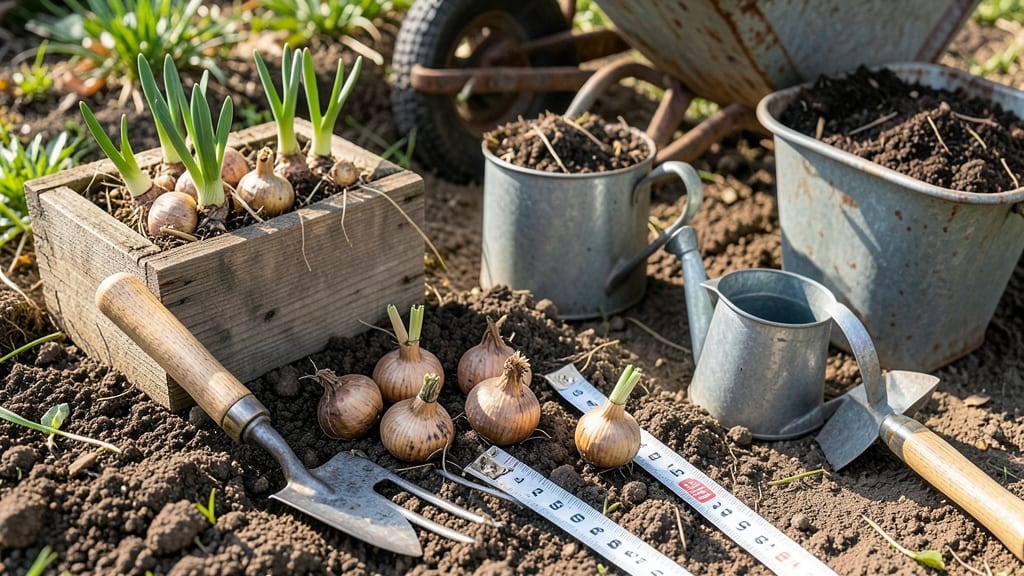
Planting daffodil bulbs at the wrong time in Northern California can mean the difference between vibrant spring blooms and disappointment. The perfect window—typically October through December—depends on your microclimate, whether you're battling coastal fog or inland heat.
I’ve seen gardeners in USDA zones 8a-9b struggle when they plant too early or too late, only to watch their 🌼 daffodils fail to thrive. The key?
Understanding your local frost dates and soil conditions. Coastal areas like San Francisco can handle slightly later plantings, while inland valleys need bulbs in the ground sooner.
In this guide, I’ll break down the best months for your specific region—coastal, valley, or foothills—and share pro tips to ensure your daffodils emerge strong and healthy. No more guessing, just actionable advice tailored to your backyard.
Ready to set your garden up for a showstopping spring? Let’s get those bulbs in the ground at the ideal time for your microclimate.
Northern California daffodil planting calendar by region (coastal vs. valley vs. foothills)
Northern California’s diverse climate means your daffodil planting timing should match your microclimate. Coastal areas like San Francisco and Monterey stay milder longer, while inland valleys (think Sacramento) freeze earlier.
Foothill zones like Napa or Lake Tahoe can swing from warm days to freezing nights. Let’s pinpoint the best planting windows for each zone to ensure those vibrant blooms next spring.
For all regions, aim to plant daffodil bulbs 6-8 weeks before the first frost. This gives roots time to establish before winter dormancy. In USDA zones 8a-9b, that typically means October through December, but your exact timing depends on where you live.
Coastal areas have a 2-3 week later window than inland valleys due to milder winters.
Here’s a quick breakdown of your planting zones and ideal months:
| Region | Best Planting Window | Soil Temp Trigger | Frost Risk |
|---|---|---|---|
| Coastal (SF, Monterey) | Late October - December | 50-55°F | Low (frost rare after Dec 20) |
| Valley (Sacramento, Stockton) | Mid-October - November | 45-50°F | Moderate (frost likely by Dec 15) |
| Foothills (Napa, Lake Tahoe) | Early October - Mid-November | 40-45°F | High (frost possible as early as Nov 15) |
Pro tip: Use a soil thermometer to check when temps drop to 50°F—that’s your cue to start planting. Coastal gardeners can wait until November, while valley and foothill gardeners should plant by mid-November to avoid frost damage.
Remember, daffodils need chilling time (6-8 weeks below 50°F) to bloom properly.
If you’re in a transition zone (like Santa Rosa or Sonoma), err on the earlier side. Plant by late October to account for unpredictable cold snaps. For container gardening, use well-draining potting mix and plant in black pots—they absorb heat and delay frost penetration.
One common mistake? Planting too late. If you miss the window, bulbs may rot in cold soil or fail to establish roots before winter. Conversely, planting too early (like September) can lead to premature sprouting, which weakens bulbs.
Aim for that 6-8 week buffer before frost for perfect timing.
For coastal gardeners, extend your window by choosing late-blooming varieties like Tête-à-Tête. These need slightly less chilling time and can handle milder winters. Inland gardeners should opt for early-blooming types like Jonquil to ensure they get enough cold exposure.
We’ll dive deeper into variety-specific timing in the next section.
Don’t forget to prep your soil before planting! Daffodils thrive in well-draining soil with a pH of 6.0-7.0. Amend heavy clay with compost or sand, and avoid planting in low spots where water pools. A 2-inch layer of mulch after planting helps insulate bulbs and retain moisture.
Now that you’ve got your planting calendar locked in, let’s talk about how to adjust timing for early vs. late-blooming varieties—because not all daffodils are created equal when it comes to chilling needs! 🌼
How to adjust planting time for early vs. late-blooming daffodil varieties
Not all daffodils bloom at the same time, and their chilling requirements can shift your planting window by weeks. Early bloomers like Jonquil need less cold exposure, while late varieties like Tête-à-Tête thrive with extended winter dormancy. Understanding these differences helps you sync blooms with your season.
Northern California’s microclimates further complicate timing. Coastal areas (like San Francisco) stay milder, while inland valleys (like Sacramento) experience colder winters. Adjust your schedule based on whether you’re forcing bulbs for indoor blooms or planting outdoors for spring color.
| Variety | Bloom Time | Chilling Needs | Best Planting Month | Forcing Window |
|---|---|---|---|---|
| Jonquil | Early spring | 6-8 weeks | October-November | September-October |
| Ice Follies | Mid-spring | 8-10 weeks | November | October-November |
| Tête-à-Tête | Late spring | 10-12 weeks | December | November-December |
For forced indoor blooms, plant bulbs in containers 8-10 weeks before your desired bloom date. Place them in a cool (40-50°F), dark spot until roots form, then move to bright light. This method works best for early varieties like Jonquil, which bloom faster with less chilling.
If you’re planting outdoors, prioritize late varieties in colder inland areas (like Lake Tahoe) for extended winter dormancy. Coastal gardeners can plant early varieties as late as December thanks to milder winters, but avoid planting after January 15 to prevent rot.
Pro tip: Mix varieties in the same bed to create a staggered bloom effect. Plant Jonquil first in October, then Ice Follies in November, and finally Tête-à-Tête in December. This ensures continuous color from March to May.
Watch for local frost dates—coastal areas rarely dip below 32°F, while inland valleys can hit 20°F. Adjust your timing accordingly to avoid bulb damage during extreme cold snaps.