
Plants
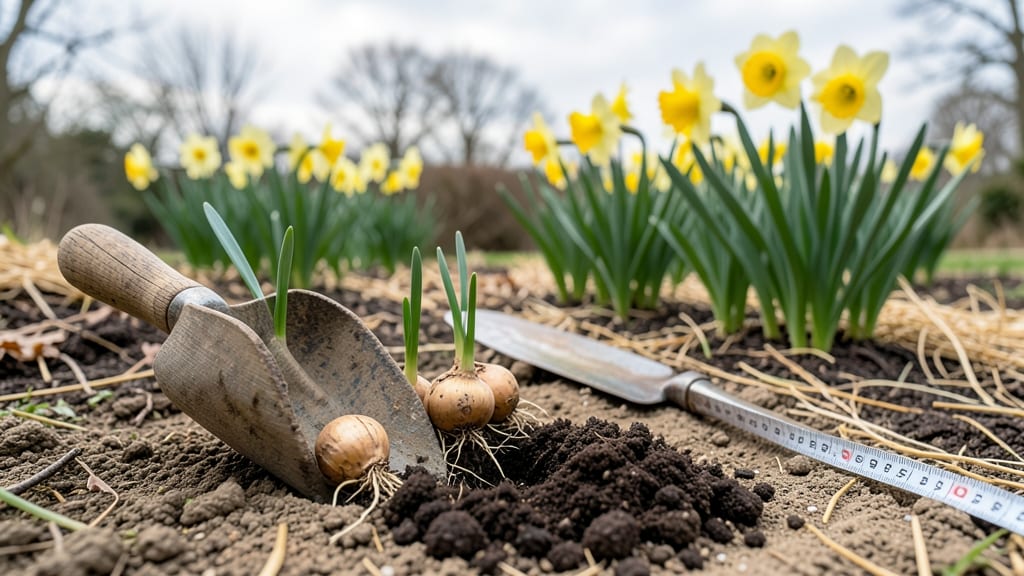
Planting daffodil bulbs at the wrong time in Indiana could mean wasted money and missed spring blooms—especially when Zone 6a frosts sneak in earlier than expected. The key to vibrant 🌼 displays lies in timing soil temperatures and planting 6-8 weeks before the ground freezes, usually between October and mid-November.
If you’ve ever wondered why some daffodils thrive while others fail, it’s likely due to planting too early (risking rot) or too late (bulbs won’t root before winter).
Indiana’s climate demands precision, and understanding your local frost dates is half the battle. Let’s break down the exact window you need to follow for success.
Beyond the calendar, soil conditions play a huge role—cool but not frozen ground (40-50°F) is ideal, and heavy clay soils common in Indiana require extra prep.
I’ll show you how to prepare your garden beds so your bulbs get the perfect start, even if your yard isn’t the easiest to work with.
Ready to avoid common mistakes and ensure your daffodils bloom like clockwork next spring? Stick with me—I’ll walk you through everything from soil tests to planting depth, so you can confidently dig in this fall.
Indiana daffodil planting deadline: soil temperature & Zone 5B rules
Indiana’s Zone 5B climate demands precise timing for daffodil bulb planting—too early, and bulbs rot; too late, and they fail to establish roots before winter. The ideal window is 6-8 weeks before ground freezes, typically between mid-October and mid-November.
For Indiana, this usually means planting by October 20th in northern areas (like Gary) and by November 15th in southern regions (like Louisville).
Daffodils need soil temperatures between 40-50°F to root properly. Use a soil thermometer to check—if temps drop below 40°F, wait until conditions stabilize. Early frosts (common in Zone 5B) can damage emerging shoots, so monitor local frost dates via the National Weather Service or Old Farmer’s Almanac.
The absolute deadline is when the ground freezes solid—planting after this risks bulb death.
If you miss the window, store bulbs in a cool, dry place (like a paper bag in the fridge) and replant next fall. Indiana’s first frost typically arrives around October 20th, so aim to finish by late September to early October for safety.
| Planting Timeline | Action | Soil Temp |
|---|---|---|
| Early October | Prepare soil, amend clay | 50-60°F |
| Mid-October | Plant bulbs 6-8" deep | 45-55°F |
| Late October | Mulch with 2-3" straw | 40-50°F |
| November 15+ | Store bulbs if frost imminent | Below 40°F |
Northern Indiana (Zones 5A/5B) has earlier frost dates than southern areas. For example, Fort Wayne typically sees its first frost by October 15th, while Evansville holds off until November 1st. Adjust your planting by 2-3 weeks based on your location—always err on the earlier side if unsure.
If you’re in heavy clay soil (common in Indiana), plant bulbs deeper (8") to protect them from freeze-thaw cycles. Add compost or sand to improve drainage, as waterlogged bulbs rot quickly. Well-draining soil is critical—daffodils hate soggy conditions.
Pro tip: Plant taller varieties (like 'Ice Follies') in the back of borders and dwarf types (like 'Tête-à-Tête') near walkways. This prevents overcrowding and ensures all bulbs get sunlight. Space bulbs 3-6 inches apart for optimal blooms next spring.
Missed the deadline? Don’t panic. Store bulbs in a paper bag in your fridge’s crispier drawer (not the freezer) until next fall. Check them monthly for sprouting—if you see green, replant immediately. Dormant bulbs can last 1-2 years in storage if kept dry and cool.
After planting, mulch with straw (not leaves) to insulate bulbs from temperature swings. Remove mulch in early spring once shoots appear. No fertilization is needed until late winter, when you can apply a light 5-10-10 mix to encourage blooming.
Remember: Daffodils naturalize—they multiply yearly and return stronger. With the right timing, your Indiana garden will burst with bright yellow and white blooms by April, long before other spring flowers. 🌼
Indiana daffodil planting deadline: soil temperature & Zone 5B rules
In Indiana’s Zone 6a, daffodil bulbs need 6-8 weeks to establish roots before the ground freezes—typically between mid-October and mid-November. This window ensures bulbs develop strong roots while avoiding winter rot from soggy soil.
For most of Indiana, the hard deadline is usually around November 15th, but early frosts can push this up to mid-October in northern regions.
Soil temperature is your best guide: aim for 40-50°F at a depth of 4-6 inches. Use a soil thermometer to check—if temps drop below 40°F, wait a few days. Planting too early in warm soil can cause bulbs to sprout prematurely, leaving them vulnerable to frost damage.
Conversely, planting too late means bulbs won’t root before winter dormancy.
Indiana’s climate adds complexity with heavy clay soils and unpredictable frosts. If your area had an early frost last year, adjust your timeline by 1-2 weeks earlier. For example, in Zone 5B pockets (like northern Indiana), start planting by late September to avoid missing the window entirely.
| Frost Zone | Planting Window | Soil Temp Goal | Risk if Missed |
|---|---|---|---|
| Zone 5B (Northern IN) | Late September - Early October | 40-50°F | Bulbs won’t root before freeze |
| Zone 6a (Central/Southern IN) | Mid-October - Mid-November | 40-50°F | Rot from wet soil or weak roots |
| All Zones | 6-8 weeks before first frost | Never below 40°F | Poor blooming or no flowers |
If you’re unsure about your frost date, check Indiana’s USDA Plant Hardiness Zone Map or consult your local Cooperative Extension Office. They provide historical frost data for your county, which is invaluable for planning.
For example, Fort Wayne (Zone 5b) typically has its first frost around October 15th, while Indianapolis (Zone 6a) usually waits until November 1st.
Pro tip: Mark your calendar for October 1st as your earliest planting day in most of Indiana. This gives you a buffer if early frosts arrive. If you’re in a microclimate (like a valley or low-lying area), plant 1-2 weeks earlier—these spots freeze first.
Conversely, south-facing slopes stay warmer and can handle later plantings.
Missed the deadline? Don’t panic. Store bulbs in a cool, dry place (like a mesh bag in the fridge) until next fall. Just be prepared for smaller blooms the first year, as bulbs planted late take longer to establish.
With the right timing, your daffodils will reward you with bold, early spring color that brightens even the grayest Hoosier days. 🌼