
Plants
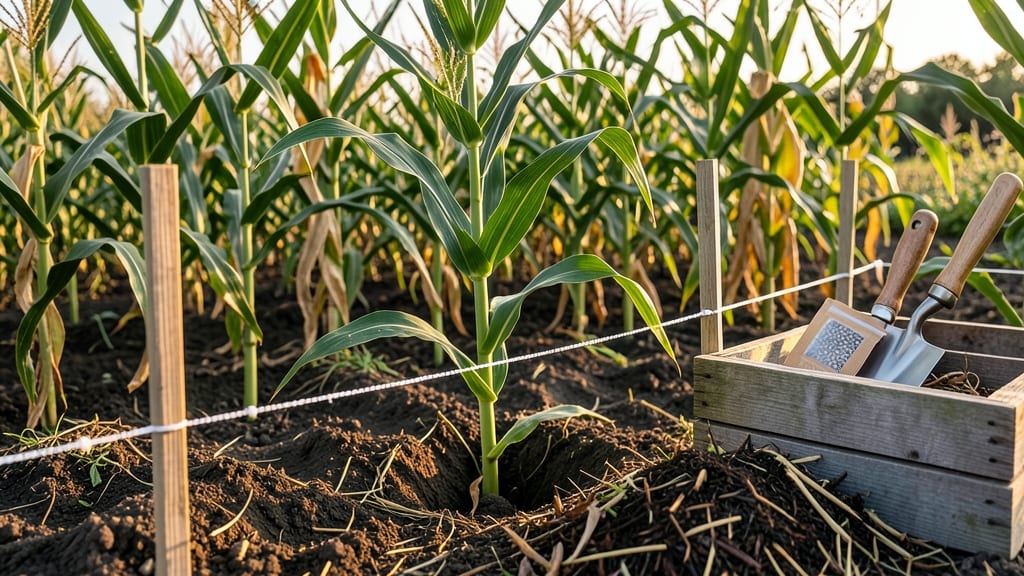
Timing your 🌽 corn planting in Vermont isn't just about following a calendar—it's about outsmarting the state's unpredictable frosts and short growing season.
With only 165 frost-free days on average, getting those seeds in the ground too early can leave your plants vulnerable, while planting too late might leave you with stunted ears before fall frost hits.
Most Vermont gardeners in USDA Zones 3-4 wait until after the last frost date (around May 15) and when soil temperatures hit at least 50°F. But here's the catch: northern Vermont's cooler microclimates often need a 2-week delay compared to southern regions.
I'll show you exactly how to adjust your planting schedule based on your specific corner of the Green Mountain State.
Beyond dates, we'll cover frost-proofing techniques like row covers and black plastic mulch that can shave weeks off your growing season. You'll also learn which cold-hardy corn varieties thrive in Vermont's chillier springs and how to spot the perfect moment when silks turn brown—your cue that harvest time is near.
Whether you're a first-time gardener or a veteran Vermonter looking to boost your yields, these USDA Zone 3-4 specific tips will help you grow corn that stands tall and productive, no matter what Mother Nature throws your way this spring.
Vermont corn planting calendar: exact dates for USDA Zones 3-4
Vermont’s USDA Zones 3-4 demand precision when planting corn—one week too early or late can mean the difference between plump ears and stunted growth. The key is aligning your planting with soil temperatures (minimum 50°F) and last frost dates, which vary by microclimate.
Northern Vermont (e.g., Stowe) typically waits until May 15-30, while southern regions (e.g., Bennington) can start as early as April 20-25.
Corn is sensitive to cold soils, so rushing to plant before the ground warms can lead to poor germination. Use a soil thermometer to confirm readiness—plant only when temperatures consistently hit 50°F+ at a 4-inch depth.
This usually aligns with Vermont’s average last frost dates, but check the UVM Extension’s frost calendar for your specific county each year.
For early varieties like 'Early Sunglow' (60-70 days to maturity), aim for late April to early May in southern Vermont. Mid-season varieties (e.g., 'Golden Bantam') need May 1-15 planting to mature before first frost (typically October 1).
Late varieties risk immature harvests, so avoid planting after June 1 unless you’re using row covers to extend the season.
Vermont’s short growing season (about 165 frost-free days) means you’ll need to prioritize fast-maturing varieties. Stick to short-season corn (70-90 days) to ensure ears develop fully. Longer-season varieties (100+ days) are risky unless you’re in Zone 4b or using season-extending techniques.
Here’s how to adjust for unpredictable frosts: Plant succession crops every 2 weeks from late April through early June. This staggered approach ensures a continuous harvest and reduces the chance of losing your entire crop to a late spring frost.
For example, if your first planting gets nipped by frost, the second batch may still thrive.
If you’re planting corn indoors for a head start (e.g., in Zone 3), begin seeds 4-6 weeks before your target outdoor planting date. Use biodegradable pots and transplant seedlings outdoors after all danger of frost has passed.
Harden off seedlings by placing them outdoors in partial shade for 3-5 days before transplanting to avoid transplant shock.
For direct sowing (the preferred method for corn), plant seeds 1.5–2 inches deep and 12 inches apart in rows 30 inches apart. Corn needs cross-pollination, so plant at least 4 rows (or 10-12 plants) to ensure good ear development.
Thin seedlings to the strongest 2-3 plants per hill once they reach 6 inches tall.
Pro tip: Use black plastic mulch
How to extend Vermont’s corn growing season with frost-proof techniques
Vermont’s unpredictable frosts and short growing season can turn corn from a bountiful harvest into a risky experiment. But with the right strategies, you can extend your corn’s growing window and protect tender seedlings from late spring chills.
The key lies in combining cold-hardy varieties, season-extending tools, and smart planting techniques tailored to Vermont’s USDA Zone 3-4 climate.
One of the most effective ways to safeguard your corn is by choosing early-maturing varieties specifically bred for cooler climates. Varieties like 'Early Sunglow' (ready in 60-65 days) or 'Golden Bantam' (a classic 70-day dwarf variety) are perfect for Vermont.
These varieties can outpace frost and still deliver sweet, plump ears before the first fall frost typically hits around October 1.
Another game-changer is using black plastic mulch. This technique warms the soil 5-10°F faster than bare ground, allowing you to plant 2-3 weeks earlier without risking frost damage.
Lay the mulch 1-2 weeks before planting and create small slits for seeds. The mulch also suppresses weeds and retains moisture—critical for Vermont’s variable spring rains.
🌱 Frost-Proof Corn Planting: Pros & Cons
✅ Row Covers
Pros: Protects seedlings from light frosts (down to 28°F), extends planting window by 2-3 weeks.
Cons: Must remove when plants tassel to avoid pollen issues.
✅ Black Plastic Mulch
Pros: Warms soil 5-10°F faster, suppresses weeds, retains moisture.
Cons: Requires early installation (1-2 weeks before planting).
✅ Cold-Hardy Varieties
Pros: Matures faster (60-70 days), resists cool soils.
Cons: May yield smaller ears than late-season varieties.
For an extra layer of protection, row covers (like floating row fabric) can shield young plants from light frosts down to 28°F. These lightweight covers are easy to install and remove when plants reach 12 inches tall. Pair them with stakes or hoops to keep them from touching the plants, which can stunt growth. Just
If you’re eager to squeeze in a fall harvest, consider planting a succession crop of short-season varieties in early July. Choose varieties like 'Ambrosia' (ready in 75 days) and plant them in a warm, sunny spot with black plastic mulch. This tactic can give you a second harvest just before the first fall frost, turning your garden into a year-round corn producer.
Finally, don’t underestimate the power of microclimates. In Vermont, south-facing slopes or areas near lakes or buildings can stay 5-10°F warmer than open fields. Plant your corn in these spots to buy extra growing days and reduce frost risk.
Combine these techniques, and you’ll turn Vermont’s chillier climate into an advantage for a reliable corn harvest.