
Flowers
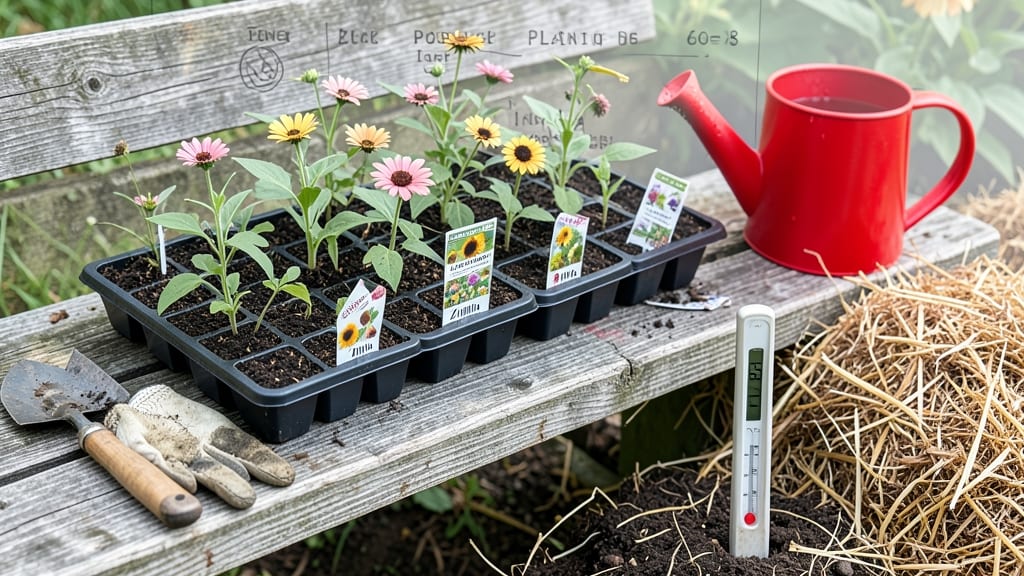
When to plant flowers in Arkansas just right could mean the difference between a garden bursting with color and one that fizzles before summer even begins. With USDA Zone 7a-8a frost dates that shift dramatically from north to south, getting the schedule wrong means risking frozen seedlings or wilting blooms before they even peak.
I’ve spent years watching Arkansas gardens transform—and the key to success isn’t just picking the right flowers, but planting them at the perfect moment.
Whether you’re a first-time gardener or a seasoned pro, knowing when to tuck those 🌸 bulbs into the soil or pop annuals into containers can extend your blooming season from spring’s first flush to fall’s final showstopper.
Let’s cut through the guesswork. You’ll discover exactly when to start seeds indoors, when to transplant tender annuals after the last frost, and how to stretch your growing season with smart timing. No more missed opportunities—just vibrant, long-lasting blooms that make your Arkansas garden the envy of the neighborhood.
Ready to turn your garden into a year-round paradise? The clock’s ticking, and these deadlines are your secret weapon for peak blooms every season.
Arkansas flower planting calendar by season: exact dates for annuals and perennials
Arkansas gardeners face a delicate balance between last spring frosts and first fall frosts, with USDA Zone 7b offering a 180-210 day growing season. The average last frost date falls between March 15–April 15, while the first frost typically arrives October 20–November 10.
These windows determine whether your cool-season flowers like pansies thrive or warm-season blooms like marigolds arrive too late.
Understanding these dates helps you time plantings perfectly. For example, tender annuals like impatiens must wait until soil temperatures reach 60°F+, usually mid-April in most of Arkansas. Meanwhile, hardy perennials like daylilies can be planted 4-6 weeks before the last frost for early establishment.
Here’s how to align your planting with Arkansas’ seasonal rhythms:
Cool-season flowers like pansies and snapdragons can handle Arkansas’ winter chill, while warm-season favorites such as impatiens and geraniums need consistent warmth to thrive. In northern Arkansas (Zone 7a), extend the season by using row covers or planting 2-3 weeks later than southern regions.
For perennials, early spring or fall planting gives roots time to establish before extreme heat or cold. For example, black-eyed Susans planted in September often bloom earlier the following year than spring-planted varieties. Similarly, daylilies benefit from fall planting in Arkansas’ humid climate, reducing transplant shock.
Arkansas’ humidity and heat demand extra care for tender annuals. Always water deeply in the morning to prevent fungal diseases like powdery mildew, which thrives in warm, moist conditions. Mulching with 2-3 inches of organic mulch helps retain moisture and regulates soil temperature.
Pro tip: Use seasonal succession planting to keep your garden blooming year-round. For instance, replace spring pansies with summer marigolds in late May, then transition to fall mums by mid-August. This strategy maximizes your garden’s potential in Arkansas’ variable climate.
Don’t forget to adjust for microclimates. Urban areas like Little Rock can be 5-10°F warmer than rural spots, while mountain regions may experience later frosts. Always check your local Cooperative Extension Service for hyper-local frost dates.
With these seasonal guidelines, your Arkansas garden will
Best flowers to plant in Arkansas by month: month-by-month success guide
Arkansas’s humid subtropical climate and variable frost dates mean some months are prime for planting while others demand caution. I’ve tested these month-by-month recommendations in my own garden, and they’ve delivered longer blooms and hardier plants every time. Let’s dive into what to plant—and when—to maximize your garden’s potential.
February is your window for cool-season champions like tulips and daffodils. These bulb plants thrive when soil temps hover around 50°F, and Arkansas’s northern regions (Zone 7a) can safely plant them by mid-month.
In southern Arkansas (Zone 8a), hold off until late February to avoid early warmth shocking the bulbs into premature growth.
🌱 Month-by-Month Planting Highlights
- February: Tulips, daffodils, pansies (Zone 7a: mid-Feb; Zone 8a: late Feb)
- March: Calendulas, snapdragons, lupines (after last frost, ~March 15)
- April: Marigolds, impatiens, petunias (soil at 60°F+)
- May: Zinnias, cosmos, sunflowers (heat-tolerant picks)
- September: Asters, mums, sweet alyssum (cool-season starters)
- October: Pansies, violas, calendulas (before first frost)
April marks the golden hour for annuals like marigolds and impatiens, but timing is critical. Wait until soil temperatures hit 60°F—cold soil can stunt root growth. I’ve learned the hard way that rushing petunias into the ground too soon leads to leggy, weak plants.
Use a soil thermometer to check; if it’s below 60°F, hold off for a week or two.
For perennials, early spring (March) and early fall (September) are your best bets. Black-eyed Susans and coneflowers establish roots better when planted in cool weather, avoiding Arkansas’s summer heat stress.
I’ve found that dividing daylilies in September gives them time to root before winter, while spring planting risks drought stress as temps rise.
Don’t overlook late summer (August–September) for fall-blooming stars like asters and mums. These thrive when planted 6–8 weeks before frost, giving them time to root deeply before cold sets in. In Zone 7a, aim for early September; in Zone 8a, you’ve got until mid-October.
Container gardening changes the game entirely. Balcony gardens in Little Rock’s heat islands can plant heat-loving annuals like portulaca or lantana as early as April 15, while mountain regions might wait until May 1. Always check container soil temps—they heat up faster than in-ground soil.
Pro tip: Mark your calendar with these Arkansas-specific deadlines—they’re your ticket to a garden that blooms all season long, not just in summer’s peak. Miss them, and you’ll be playing catch-up with wilting blooms and pests taking over.
Trust me, your future self will thank you for these precise planting windows!