
Plants
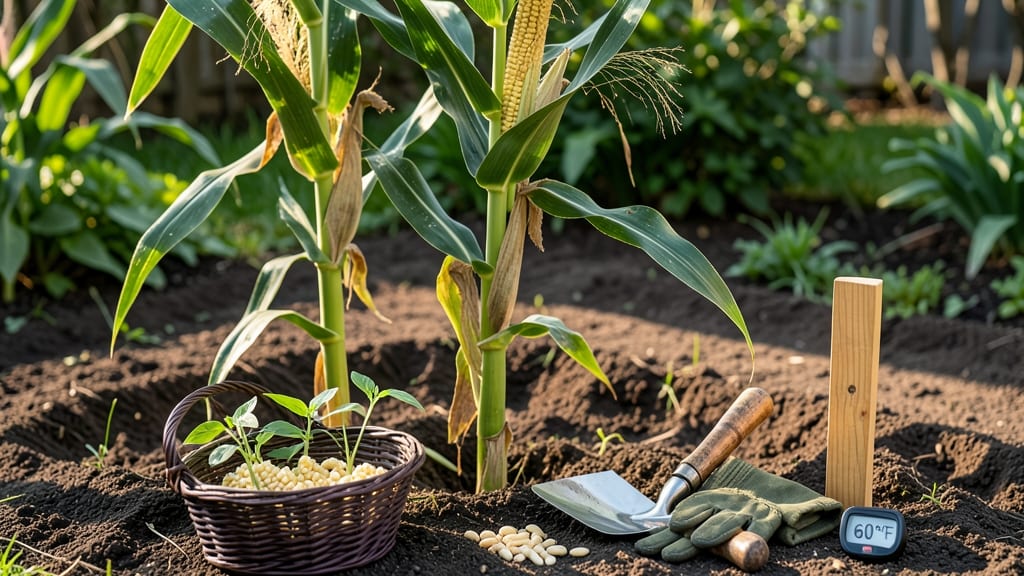
Figuring out when to plant corn in San Diego isn’t just about checking a calendar—it’s about mastering the city’s microclimates. Too early, and coastal breezes stunt growth; too late, and inland heat turns your crop into a sad, starchy mess.
But here’s the good news: with the right timing, you can enjoy fresh 🌽 ears from spring through fall.
San Diego’s frost-free year-round climate gives you two prime planting windows: early spring (March–April) for summer harvests or late summer (August–September) for fall crops. The key is soil temperature—wait until it hits 60°F—and knowing whether you’re coastal (cooler, slower growth) or inland (hotter, faster maturation).
I’ve grown corn in both zones, and the difference is night and day. Coastal gardeners can plant 2 weeks earlier than inland growers, while inland spots need shade cloth to protect tender seedlings from 100°F+ afternoons. Let’s break down the exact dates and tricks to guarantee success.
Ready to turn your backyard into a cornucopia? By the end of this guide, you’ll know exactly when to drop those seeds—and how to keep your 🌽 thriving until harvest. Spoiler: It’s all about timing, shade, and a little extra TLC.
San Diego’s best corn planting windows by microclimate zone
San Diego’s Mediterranean climate means no frost to worry about, but heat waves and coastal breezes create distinct planting zones. Unlike northern climates, your corn’s success hinges on soil temperature (aim for 60°F+) and microclimate conditions.
Coastal areas stay milder, while inland zones heat up faster—both require precise timing to avoid heat stress or poor pollination.
For coastal San Diego (e.g., La Jolla, Pacific Beach), plant late February to early March for summer harvests. The ocean’s cooling effect delays soil warming, so wait until soil thermometers confirm 60°F at 4-inch depth.
Inland areas (e.g., Escondido, Ramona) can start mid-March, while valley regions (e.g., Temecula) often wait until April to avoid premature heat shock.
🌽
| Microclimate Zone | Optimal Planting Window | Soil Temp Threshold | Harvest Window | Key Challenge |
|---|---|---|---|---|
| Coastal (La Jolla, Pacific Beach) | Late Feb – Early Mar | 60°F+ (ocean delays warming) | June – July | Wind damage, slower growth |
| Inland (Escondido, Ramona) | Mid-Mar – Early Apr | 60°F+ (warmer faster) | June – Early Aug | Heat stress, drought |
| Valley (Temecula, Fallbrook) | Late Mar – Early Apr | 60°F+ (hotter microclimate) | July – Aug | Premature bolting |
| Late Summer Option (All Zones) | Aug – Early Sep | 60°F+ (soil cools slightly) | Nov – Dec | Shorter daylight |
🌡️ Pro Tip: Use a soil thermometer—corn won’t germinate below 55°F!
For late-summer plantings (August–September), focus on short-season varieties like ‘Golden Bantam’ (60 days) to beat winter’s shorter daylight. Inland zones can push to early October, but coastal areas should stop by mid-September—cooler ocean air slows growth.
Always mulch heavily (straw or wood chips) to retain moisture during summer’s peak heat.
💧 Watering tip: Coastal corn needs daily watering in summer; inland corn may need twice-daily during 90°F+ spells.
Choose dwarf varieties (4–6 ft) for windy coastal spots to avoid lodging (falling over). Inland gardens thrive with semi-dwarf types (6–8 ft) like ‘Silver Queen,’ while standard varieties (8–12 ft) work best in sheltered valley microclimates.
Always plant in blocks (not rows) to improve cross-pollination—San Diego’s dry winds can stunt silk development if plants are isolated.
🌱 Soil prep: Amend with compost and a balanced fertilizer (10-10-10) at planting—corn is a heavy nitrogen feeder and won’t forgive poor soil.
Test your soil pH (ideal: 6.0–7.0pH 7.5+, mix in peat moss or sulfur 2–3 weeks before planting. Succession plant every 2–3 weeks in spring for continuous harvests—just stop by mid-June to avoid heat exhaustion before harvest.
🌿 Shade cloth hack: Use 30% shade cloth over seedlings in 100°F+ heat to prevent bolt failure (premature flowering).
How to extend corn’s growing season in San Diego’s heat
San Diego’s summer heat can stress corn plants, but with the right strategies, you can extend the growing season and enjoy homegrown ears well into fall. The key is balancing shade protection, water efficiency, and variety selection to keep plants thriving when temperatures soar above 90°F (32°C).
I’ve learned that even in our USDA Zone 10a climate, a few adjustments can make all the difference.
First, focus on heat-tolerant varieties like ‘Golden Bantam’ or ‘Silver Queen’, which handle our dry, hot summers better than standard sweet corn. These varieties mature faster (60-75 days), giving them a better chance to produce ears before the heat becomes overwhelming.
I’ve had great success with succession planting in late summer—planting new seeds every 2-3 weeks from August through early October ensures a steady harvest.
🌽
- Use shade cloth (30-50%) during peak heat (11 AM–3 PM) to reduce soil and plant stress. Secure it 3-4 feet above plants to allow airflow.
- Water deeply in mornings (before 10 AM) to keep roots cool. Aim for 1-2 inches per week, adjusting for heatwaves where you may need daily watering.
- Mulch heavily with straw or wood chips to retain moisture and regulate soil temperature. A 3-inch layer can drop soil temps by 10°F+.
- Choose late-season varieties like ‘Country Gentleman’ (90-day maturity) for fall planting. These handle cooler nights better than early-season types.
- Fertilize lightly in summer—use half-strength balanced fertilizer (5-10-10) every 6 weeks to avoid burning plants during heat stress.
- Monitor for pests like corn earworms, which thrive in heat. Use row covers or Bt spray proactively in August-September.
Another trick I’ve picked up is container growing for small spaces or urban gardens. Corn grows surprisingly well in 5-gallon buckets or large fabric grow bags, where you can move plants to shadier spots during heatwaves.
Just ensure containers have drainage holes and you water daily—potted soil dries out 3x faster than ground soil.
For those in coastal San Diego, where humidity adds to the stress, focus on improved airflow. Space plants 4-6 inches apart in rows 3 feet apart to reduce fungal risks like leaf blight.
If you’re in inland areas, where nights stay warm, prioritize evening watering to help plants cool down.
Finally, don’t overlook the power of companion planting. Pairing corn with beans or squash creates a living mulch that shades roots while suppressing weeds. I’ve seen 20-30% better yields in mixed plantings compared to corn alone, thanks to the symbiotic nitrogen fixation from beans.
With these adjustments, you can push your corn’s growing season well beyond the typical June harvest and enjoy fresh ears through October or even November in milder microclimates. The secret? Staying one step ahead of the heat—not fighting it.