
How To
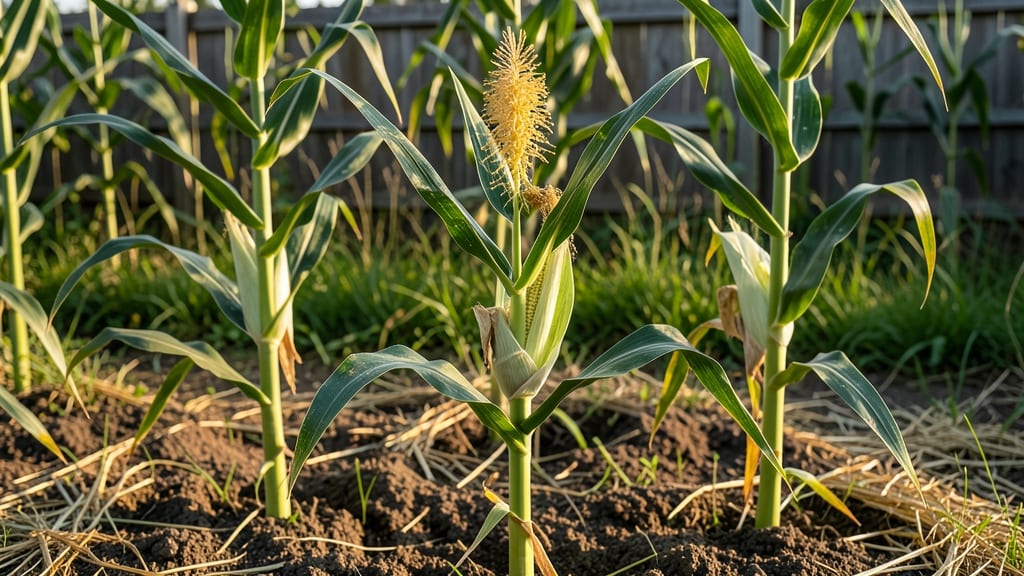
If you’ve ever wondered just how tall your 🌽 corn plants will grow, the answer might surprise you—some varieties stretch taller than a two-story building!
While most gardeners picture corn reaching around 8 feet, the truth is far more varied, with dwarf types barely topping 3 feet and field corn soaring past 12 feet in ideal conditions.
The height of your corn depends on more than just genetics—soil quality, sunlight exposure, and even spacing play huge roles. For example, the popular 'Golden Bantam' stays compact, perfect for containers, while 'Country Gentleman' can reach sky-high in fertile soil with plenty of water.
Knowing these differences helps you plan your garden layout and support needs before planting.
But here’s the game-changer: even within the same variety, your growing conditions can make a big difference. Too little sunlight or poor soil? Your corn might stay stunted. Too much nitrogen?
It could grow tall but weak. I’ll break down the key factors so you can give your plants the best shot at reaching their full potential—and maybe even surpassing it.
Ready to turn your corn patch into a towering success? Let’s dive into the varieties, tips, and tricks that’ll help you grow corn that’s not just tall, but thriving. Your garden’s vertical potential starts here!

Corn plant height by variety: dwarf to giant varieties explained
Corn plants can stretch from 3-foot dwarfs to 12-foot giants, depending on the variety you choose. If you're growing corn in a small garden or containers, dwarf varieties like 'Golden Bantam' are perfect.
For traditional gardens, standard sweet corn varieties typically reach 6-10 feet, while field corn can tower even higher.
Understanding these height differences helps with spacing, support needs, and even harvesting ease. Some varieties are bred for compact growth, while others are designed to maximize yield in open fields. Let’s explore the most popular types and their mature heights.
🌽 Visual Guide: Below is a comparison of common corn varieties, their typical heights, and ideal growing conditions to help you pick the right fit for your garden space and goals.
| Variety | Type | Mature Height | Best For |
|---|---|---|---|
| Golden Bantam | Dwarf Sweet Corn | 3-5 ft | Containers, small gardens, heirloom collections |
| Silver Queen | Semi-Dwarf Sweet Corn | 6-8 ft | Home gardens, fresh eating, canning |
| Country Gentleman | Standard Sweet Corn | 8-12 ft | Large gardens, high yields, fresh markets |
| Peaches and Cream | Semi-Dwarf Sweet Corn | 6-9 ft | Home gardens, early harvests, sweet flavor |
| Field Corn (e.g., 'Pioneer Brand') | Field/Animal Feed Corn | 10-14 ft | Large farms, silage, livestock feed |
| Bodacious | Super Sweet Corn | 7-10 ft | Home gardens, high sugar content, fresh eating |
For container gardening, stick to dwarf varieties like 'Golden Bantam'—they thrive in 5-gallon pots and stay under 5 feet. Meanwhile, standard sweet corn varieties like 'Country Gentleman' need ample space and may require staking to prevent toppling in windy conditions.
If you're growing corn for ornamental purposes, varieties like 'Glass Gem' (a colorful heirloom) reach 6-8 feet and add stunning visual interest to your garden. These varieties are perfect for cutting gardens or as a focal point in perennial beds.
For field corn, which is typically grown for animal feed or ethanol production, expect 10-14 feet of height. These varieties are bred for high biomass and require wide spacing (up to 36 inches apart) to accommodate their massive stalks.
Always check the seed packet for specific height ranges, as even within a variety, growth can vary slightly based on growing conditions. For example, 'Silver Queen' might max out at 7 feet in a cooler climate but reach 8 feet in a warmer, sunnier location.
Pro tip: If you're short on space but love corn, consider bush beans or pole beans as companions—they grow vertically and won’t compete for height with your corn stalks.
Corn plant height by variety: dwarf to giant varieties explained
Choosing the right corn variety is the first step to controlling your plants' height. Some varieties are bred to stay short and sturdy, while others grow like skyscrapers in your garden.
For example, the 'Golden Bantam'—a classic heirloom—typically reaches just 3 to 5 feet, making it perfect for containers or small spaces. On the opposite end, field corn varieties like 'Country Gentleman' can soar to 10 to 12 feet or more, requiring strong support and plenty of space.
Sweet corn varieties usually fall somewhere in between, with popular choices like 'Silver Queen' growing 6 to 8 feet tall. These mid-height varieties are great for home gardens because they offer a balance between manageable size and productive yields.
If you're growing corn for silage or animal feed, you’ll often find taller, more robust varieties that prioritize stalk strength over kernel sweetness.
Here’s a quick comparison of common corn varieties and their mature heights to help you plan your garden layout:
| Variety | Type | Mature Height | Best For |
|---|---|---|---|
| Golden Bantam | Sweet Corn (Dwarf) | 3-5 ft | Containers, small gardens |
| Silver Queen | Sweet Corn (Semi-Dwarf) | 6-8 ft | Home gardens, fresh eating |
| Country Gentleman | Field Corn (Tall) | 10-12 ft | Silage, animal feed, large gardens |
| Ambrosia | Sweet Corn (Standard) | 8-10 ft | Fresh markets, large-scale growing |
| Miracles | Sweet Corn (Dwarf) | 4-6 ft | Small spaces, early harvests |
If you're growing corn for ornamental purposes, like decorative corn varieties, you might find even more dramatic height variations. Some are bred to have colorful husks or unique kernel patterns, and their heights can range from 4 feet to over 10 feet.
Always check the seed packet or plant tag for height expectations—this info is golden for planning your garden’s vertical space.
Remember, these heights are general guidelines. Your actual results may vary based on growing conditions, soil quality, and care.
For instance, a 'Silver Queen' planted in rich, well-drained soil with plenty of sunlight might reach the upper end of its height range, while the same variety in poor soil or partial shade could stay shorter.
The key is to match your variety to your garden’s conditions and your personal goals—whether that’s maximizing yield, saving space, or just growing something impressive to show off!
🌽