
Plants
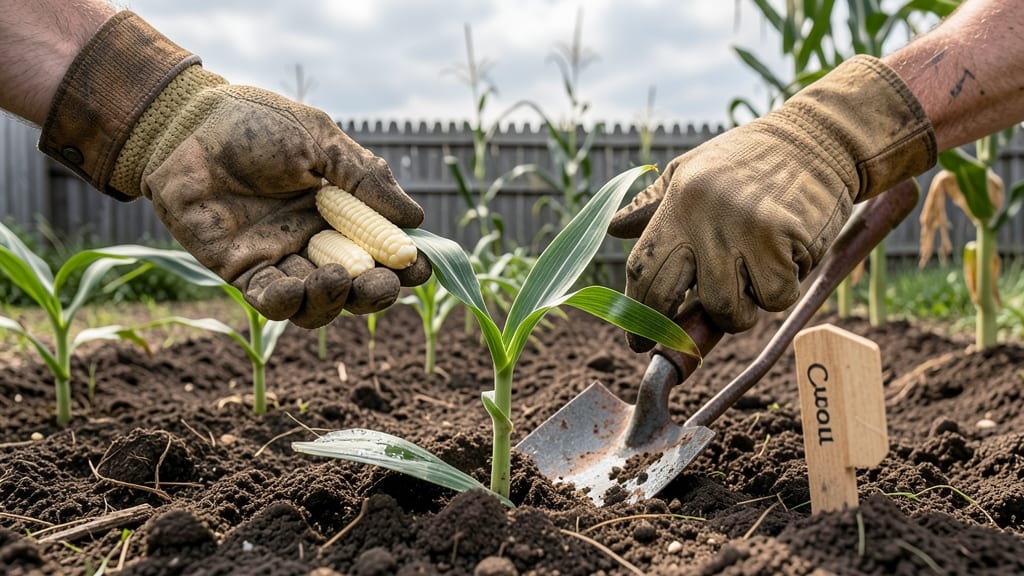
If you've ever stared at your garden plot in mid-April wondering, "when do you plant corn in Ohio?", you're not alone. Ohio's unpredictable spring weather can turn a promising planting day into a frost-kissed disappointment if you're not prepared.
Corn 🌽 thrives when planted at the right moment—too early, and frost will nip your tender seedlings in the bud; too late, and your harvest might arrive just as the first chill sets in.
For Ohio gardeners in zones 6a-6b, timing isn't just about the calendar—it's about soil temperature, frost dates, and choosing the right corn variety for your region.
In this guide, I’ll break down the exact weeks to plant corn in Ohio, from soil prep to transplanting tips, so you can maximize your yield.
Whether you're a first-time gardener or a seasoned pro, these insights will help you avoid common mistakes and set your corn for a bountiful harvest.
Let’s get your garden on track for a summer of golden ears—no guesswork required.
Ohio planting zones & exact weeks to plant corn for maximum yield
Ohio’s climate varies dramatically from the southern tip (Zone 6b) to the northern border (Zone 5a), making planting corn a zone-specific challenge. In colder northern zones, corn needs to go in 2-3 weeks after the last frost, while southern Ohio can start 1-2 weeks earlier.
The key? Soil temperature—corn won’t sprout until it hits 60°F (15°C), and Ohio’s soil warms unevenly across the state.
For maximum yield, aim to plant when your area has 120-150 frost-free days remaining. Northern Ohio’s shorter season favors earlier-maturing varieties (60-70 days), while southern Ohio can handle longer-season types (80-100 days).
Let’s break down the exact planting windows by zone to ensure your corn reaches harvest before the first frost.
| USDA Zone | Last Frost Date | Planting Window | Ideal Variety Days | Harvest Window |
|---|---|---|---|---|
| Zone 5a (Northeast Ohio) | Mid-May | Late May (after soil hits 60°F) | 60-70 days | Late August to early Sept |
| Zone 5b (Central Ohio) | Early May | Early to mid-May | 70-80 days | Mid-August to Sept |
| Zone 6a (Southwest Ohio) | Late April | Mid-April to early May | 80-90 days | Late July to Sept |
| Zone 6b (Southern Ohio) | Early April | Late March to mid-April | 90-100 days | Early July to early Sept |
In northern Ohio (Zones 5a-5b), the window is tight—plant too early, and frost will kill seedlings. Use row covers if you’re eager to start, but wait until soil temperature consistently stays above 60°F.
For southern Ohio (Zones 6a-6b), you can push the envelope with late March plantings, but be ready to protect young plants if unexpected cold snaps hit.
Ohio’s microclimates add another layer—gardens near lakes or rivers may stay warmer, allowing 1-2 weeks earlier plantings. Conversely, higher elevations in Appalachian Ohio can delay planting by 10-14 days.
Always check local frost dates from the Ohio State University Extension for your county, as their data accounts for these nuances.
For short-season varieties, prioritize sweet corn types like ‘Silver Queen’ (70 days) or ‘Peaches and Cream’ (80 days) in northern Ohio.
Southern growers can try longer-season varieties like ‘Country Gentleman’ (100 days), but monitor drought stress—Ohio’s summer heat can dry out soil quickly. Drip irrigation is a game-changer for maintaining moisture during tasseling and ear development.
If you’re in Zone 5a and miss the ideal window, consider container growing—large pots can be moved to protected spots or even indoors near a grow light until transplanting.
For Zone 6b, you might even squeeze in two harvests by planting early and late batches, but space them 4-6 weeks apart to avoid overcrowding.
Pro tip: Use a soil thermometer to confirm readiness—corn seeds won’t germinate below 50°F (10°C), and growth stalls below 60°F (15°C). If your soil is too cold, cover rows with black plastic mulch for 1-2 weeks to warm it up faster.
This trick can shave 7-10 days off your planting timeline in cooler zones.
Remember, corn thrives on heat, so the earlier you plant, the more
How to calculate your Ohio corn planting window like a pro
Ohio’s unpredictable spring weather makes nailing your corn planting window a challenge. But with the right tools and local data, you can pinpoint the perfect time to plant for a bumper crop.
The key is balancing soil temperature, frost dates, and your chosen corn variety’s maturity timeline. Let’s break it down step by step.
First, grab a soil thermometer—this is your best friend for corn planting. Corn seeds won’t germinate well until the soil reaches at least 60°F (15°C). In Ohio, this typically happens between mid-April and early May, but it varies by zone.
For example, southern Ohio (Zone 6b) may hit this mark a week earlier than northern Ohio (Zone 5a).
📌 PRO TIP: Check Ohio State University Extension’s Frost/Freeze Forecast (updated weekly) to confirm your last frost date. This tool predicts when temperatures will stay above 32°F (0°C) consistently, giving you a clear deadline to plant.
Next, factor in your corn variety’s days to maturity. Ohio’s growing season averages 165 frost-free days, so choose varieties that fit this timeline. Early varieties (like Silver Queen) mature in 60-70 days, while sweet corn (like Ambrosia) needs 70-90 days.
Plant early varieties first, then follow with later ones every 10-14 days to stagger harvests.
Here’s how to calculate your exact planting window using these steps:
If you’re planting late due to cool weather, opt for early-maturing varieties or consider starter plants (though corn is rarely transplanted). For northern Ohio gardeners, you might need to wait until late May to avoid frost damage. Meanwhile, southern Ohio gardeners can start as early as mid-April.
Pro tip: Use black plastic mulch to warm the soil faster and create a microclimate for early planting. This can shave off 1-2 weeks from your planting timeline, giving you an edge in Ohio’s shorter growing season. Just
Finally, keep a planting journal to track soil temperatures, frost dates, and harvest success. Over time, you’ll refine your timing and adapt to Ohio’s ever-changing climate. With these steps, you’ll be planting corn like a pro—no guesswork required! 🌽